

Tesla Masterplan Three 2023
Tesla vision part 3 is to be announced on March 1st, 2023 at Investor Day. How will this differ from Part 1 or Part 2. What is the “Path to a Fully Sustainable World”

Tesla vision part 3 is to be announced on March 1st, 2023 at Investor Day. How will this differ from Part 1 or Part 2. What is the “Path to a Fully Sustainable World”

Hydrogen fuel cell cars are still promoted but they will be dead within 2 years due to emissions as bad as petrol cars, poor infrastructure and rapid improving charging and range with battery electric cars.
Cars are a major contributor to Japans economy with 5.5m or 24% of employees, and contribute 14% of all exports. Toyota’s no-ev strategy could mean Japan loses 14% of its GDP and $700 billion of exports as other EV makers overtake Toyota globally.
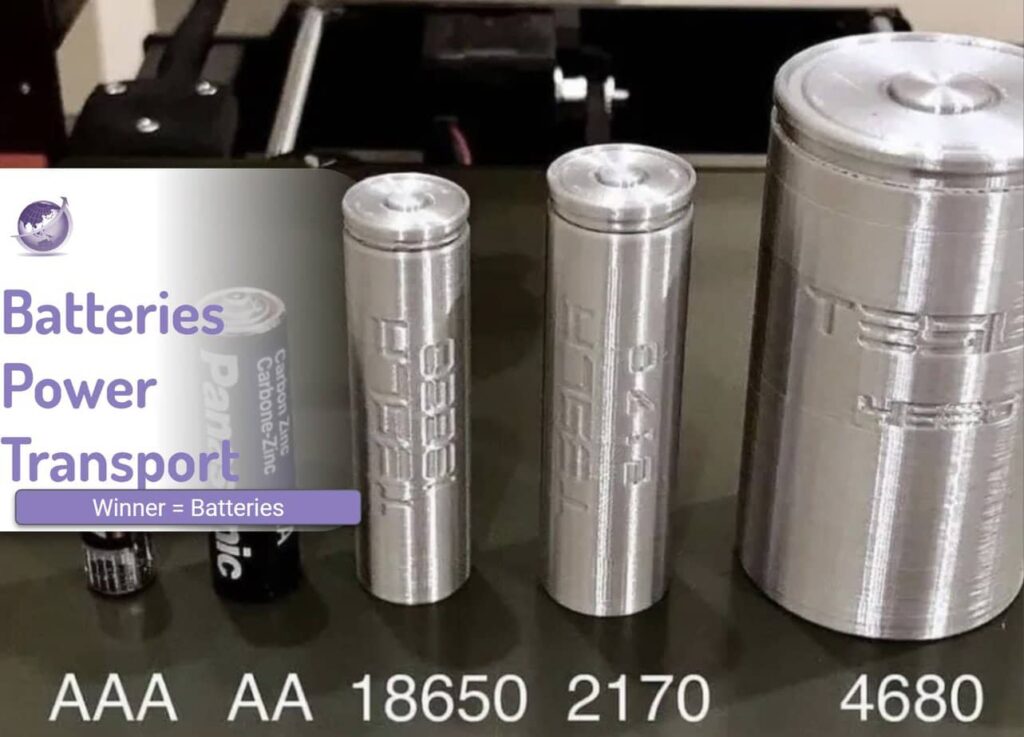
It is becoming clear that batteries will drive the electrification of transport. Batteries are demonstrating that hydrogen and synthetic fuels are losing ground to the 22% learning curve of batteries. Biofuels may be the only transition fuel for long range aircraft.

Grid-scale batteries are an integral requirement to firm renewable energy, stabililise the grid with battery, wind and solar now the cheapest electricity.

EV adoption is increasing and Bloomberg NEF has data showing nearly 50% of buses sold in 2022 were electric. Motorcycles are even higher.
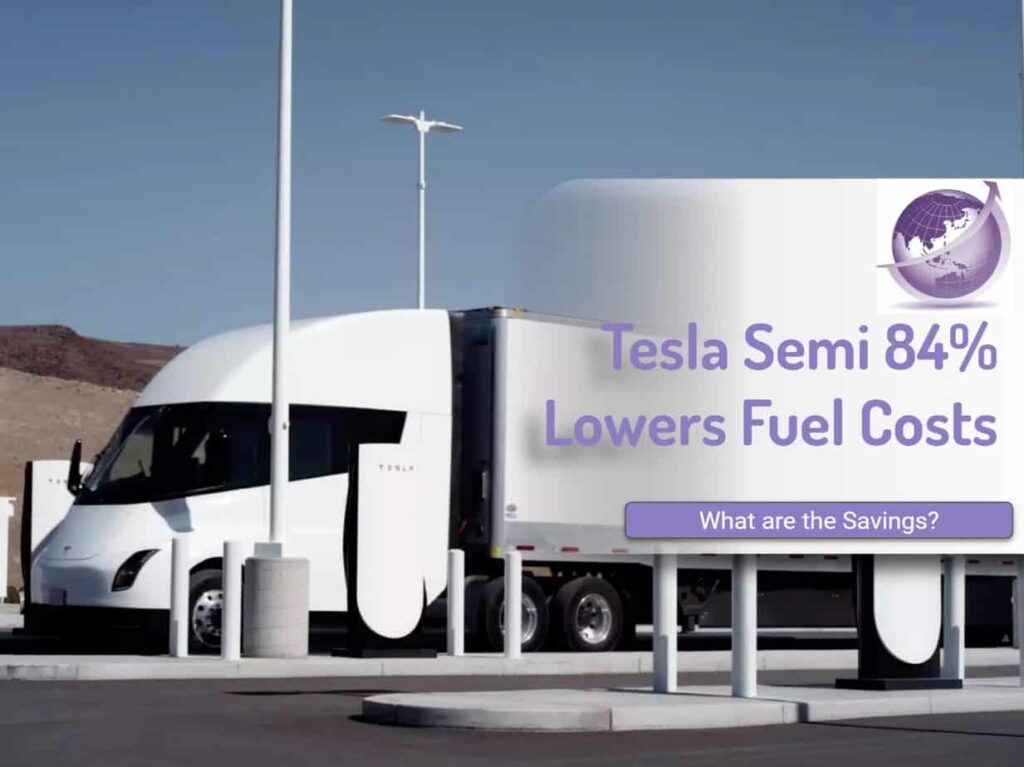
The Tesla Semi large truck will be at least 84% cheaper for fuel costs than equivalent large diesel trucks. Combined with more torque, regenerative braking increased purchase costs suggest less than a 2 year payback.

Using a long lasting LFP battery in combination with an anode free battery with shorter lifespan is the approach taken by Our Next Energy. Like a petrol battery hybrid, the combination provides 1000 km of range, and long life.
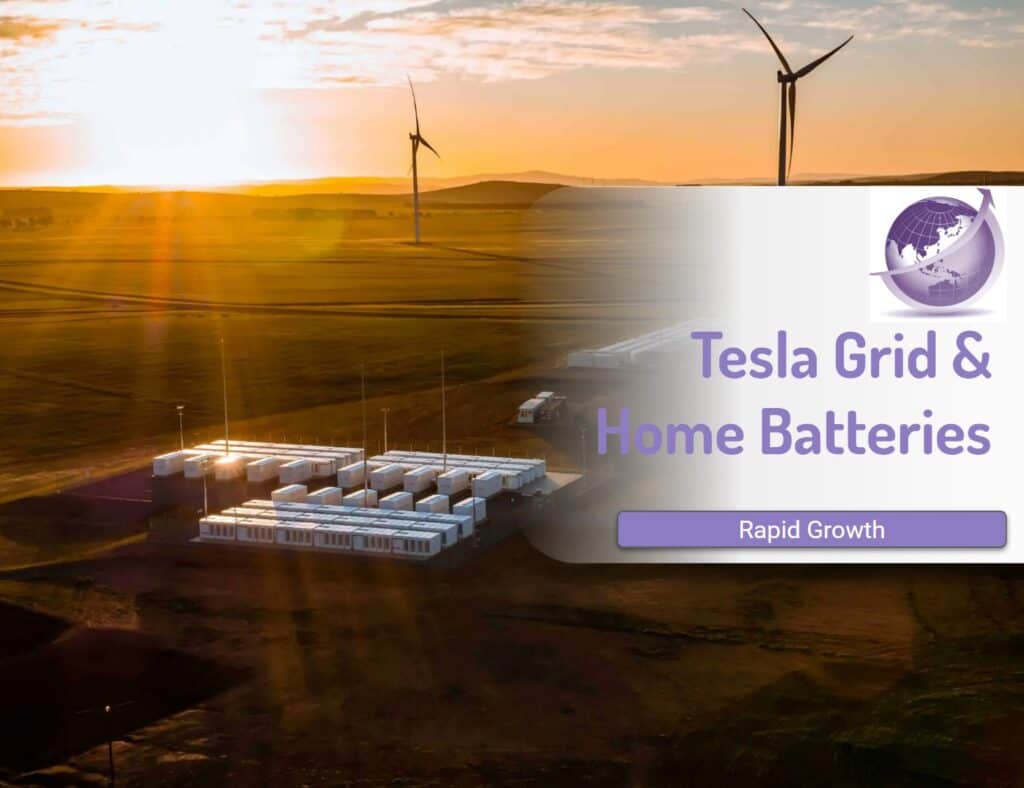
Tesla has led innovation into grid, industrial and home storage with their range of batteries. The lines are blurred with home batteries now providing grid virtual power plant services.

Governments try to pick winners and provide subsidies. The subsidies for fossil fuel industry is enormous and is over $5.9 trillion or more than 6.8% globally. In Australia direct and indirect subsidies are over $44 billion and 3.2% of GDP
Energy on Mondays. The Debunk on Wednesdays. AI, food and health long reads on weekends. Delivered to your inbox.
