
I moved a 350-post website with AI. It took two days and a few detours.
A 350-post WordPress site, a hosting bill about to rise tenfold, and an AI assistant connected to both sites: what worked, what broke, and what still needed a person.
Artificial intelligence and robots are changing our world, and this category follows the breakthroughs and the consequences. Our posts cover large language models such as ChatGPT and Google’s Bard, AI geometry, custom-designed AI compute chips and Nvidia announcements, and the prediction that electricity for AI will exceed that for transportation. We ask how AI will affect jobs, whether robots will take them, and how AI raises the productivity of knowledge workers.
Robots get their own attention: humanoid robots to watch, Tesla’s Optimus robot and the economic value of humanoid robots, robots for aircraft built with ChatGPT, and the robotic surgery revolution. Other posts show AI speeding up science and health, from drug discovery to living longer, human organoids and helping paraplegics walk again. Another uses AI and bacteria to replace nitrogen fertilizer.
The thread through these posts is that AI is a general-purpose technology, like electricity, which changes many sectors at once and reinforces other disruptions. We look at the benefits and the risks, and at the infrastructure, energy and chips that support them. Read on to see what the technology can do now, what is coming and how to prepare.
A 350-post WordPress site, a hosting bill about to rise tenfold, and an AI assistant connected to both sites: what worked, what broke, and what still needed a person.
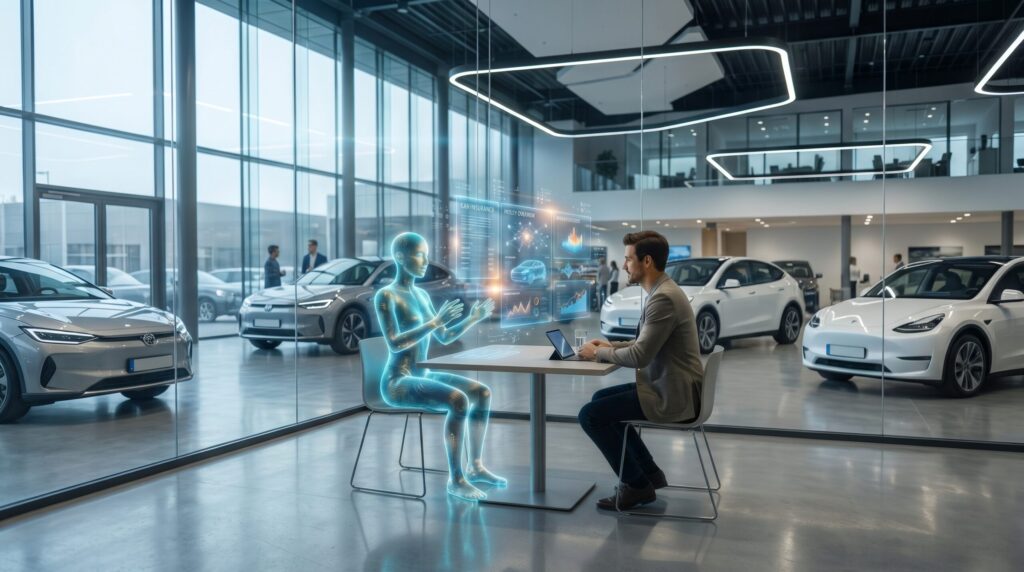
Tealium CEO Jeff Lunsford told the Eye on AI podcast that AI agents now make up about 20% of customer web traffic and convert 38% better per session. Here is what the interview says about revenue, costs and customer experience, and what it does not say about jobs.
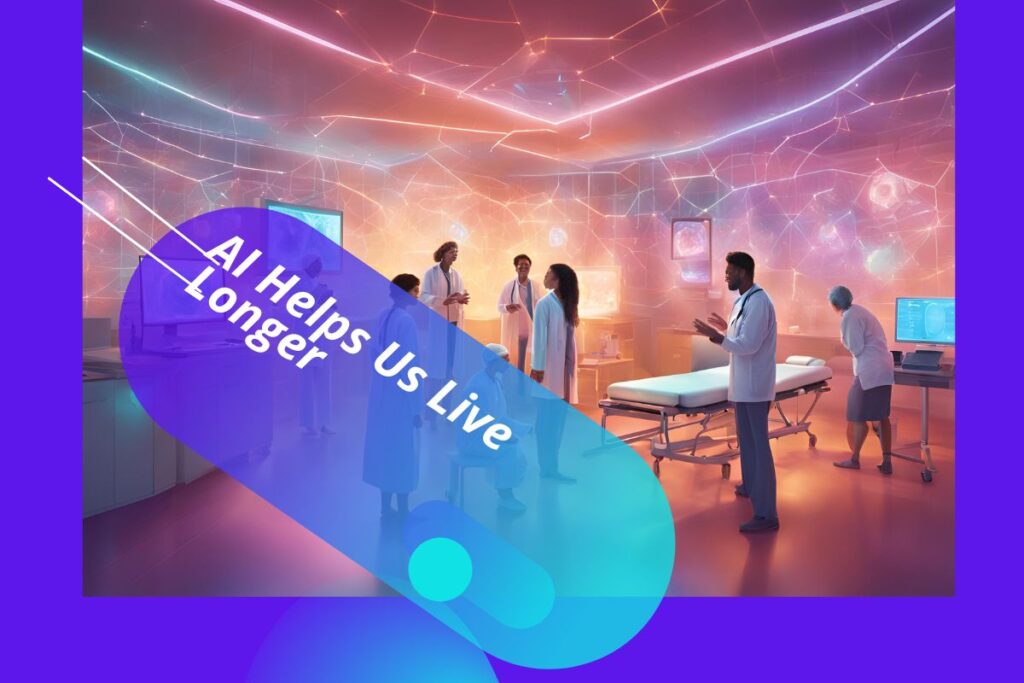
AI will help us live longer than we every expected. Not just to 120. We may be able to live to hundreds. We are in the midst of a healthspan revolution that will enable us to live vitally. Advanced diagnostics to catch any disease at inception. Tailored advanced therapies to reverse disease. Slowing, stopping, and potentially even reversing aging.
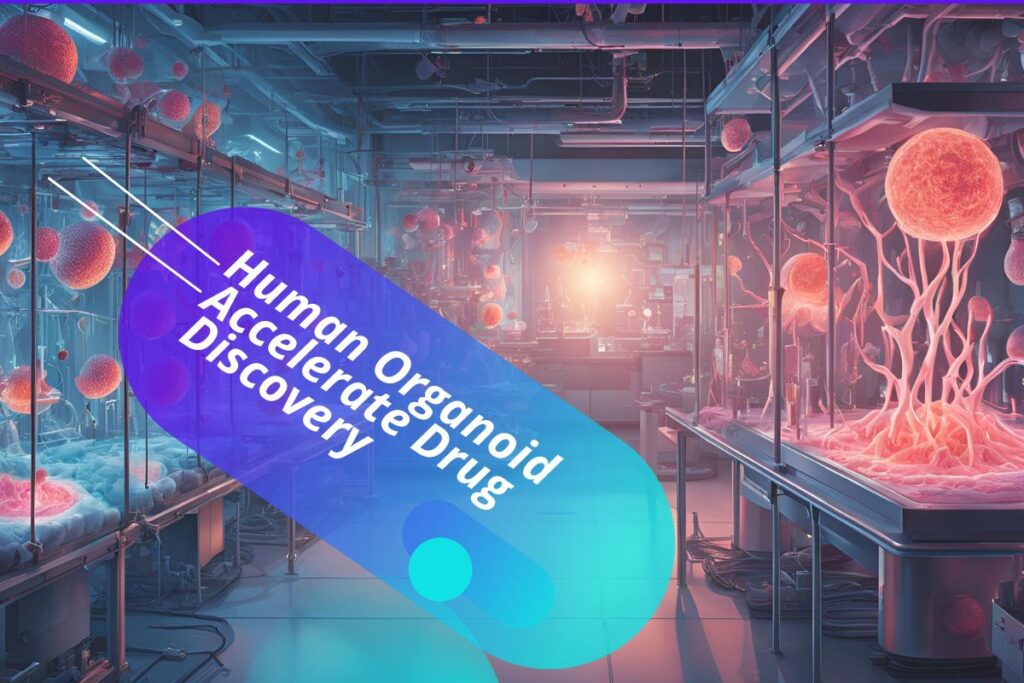
Human 3D organoids are in vitro 3D cultures that mimic the structure and function of human organs. They are derived from stem cells, which can self-renew and differentiate into various cell types. Organoids are a powerful in disease modelling, drug development, personalised treatment, and regenerative medicine.

AI continues to rapidly expand. At CES, 2025 Nvidia announcements include a new AI supercomputer, a powerful video card, next-generation processor for cars and robots. NVidia announced partnerships with Toyota for next model robotasis as well as Aurora, Continental for driverless trucks at scale by 2027.

AI computing’s surge outpaces electricity demand for transportation, potentially exceeding it due to expansive training and inference needs. Massive datacenters from tech giants necessitate immense power, raising speculation about electricity shortages. Tesla leads with significant investments in low-power and high-performance chips, aiming for exascale AI capabilities. This growth in AI computation could increase datacenter electricity use fourfold within a decade, challenging current power grids and possibly requiring dedicated power plants to meet escalating energy demands.
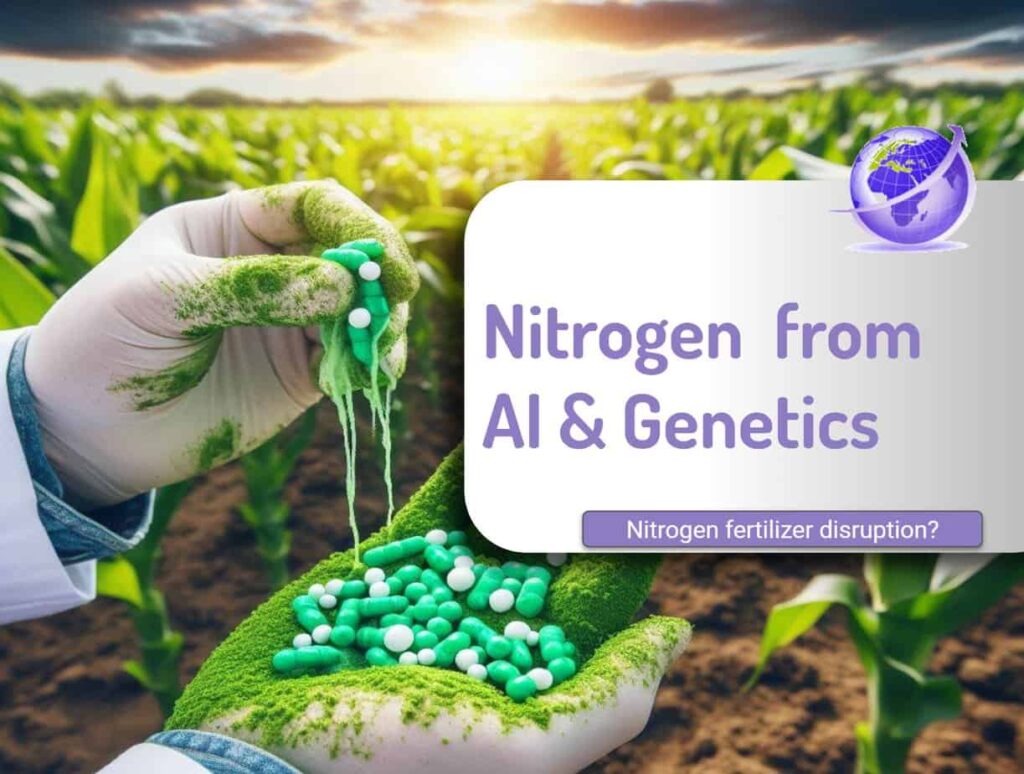
What if AI Genetics can create an organism producing nitrogen nutrient inside the plant itself. Conventional greening of nitrogen fertilizer is using green hydrogen instead of fossil fuel. Will the trillion dollar market for nitrogen fertilizer be disrupted?

Google has delivered a geometry AI model that now out-performs the best school mathematical olympiads by providing 0.5b examples. The software is available through GitHub and mark a breakthrough into the capacity of AI to solve real world problems.
Custom design AI computer chips need faster and more available compute resources. Along with established NVidia, Intel are new entrants including Tesla Dojo and Cerebras Systems as they focus on hardware and software to increase speed and decrease power consumption

IMF report says the impact of Artificial Intelligence on job creation and disruption will be much more in the developed country with over 40% of jobs impacted. In contrast, only 26% of jobs in low-income countries will be affected
Energy on Mondays. The Debunk on Wednesdays. AI, food and health long reads on weekends. Delivered to your inbox.
