Nuclear

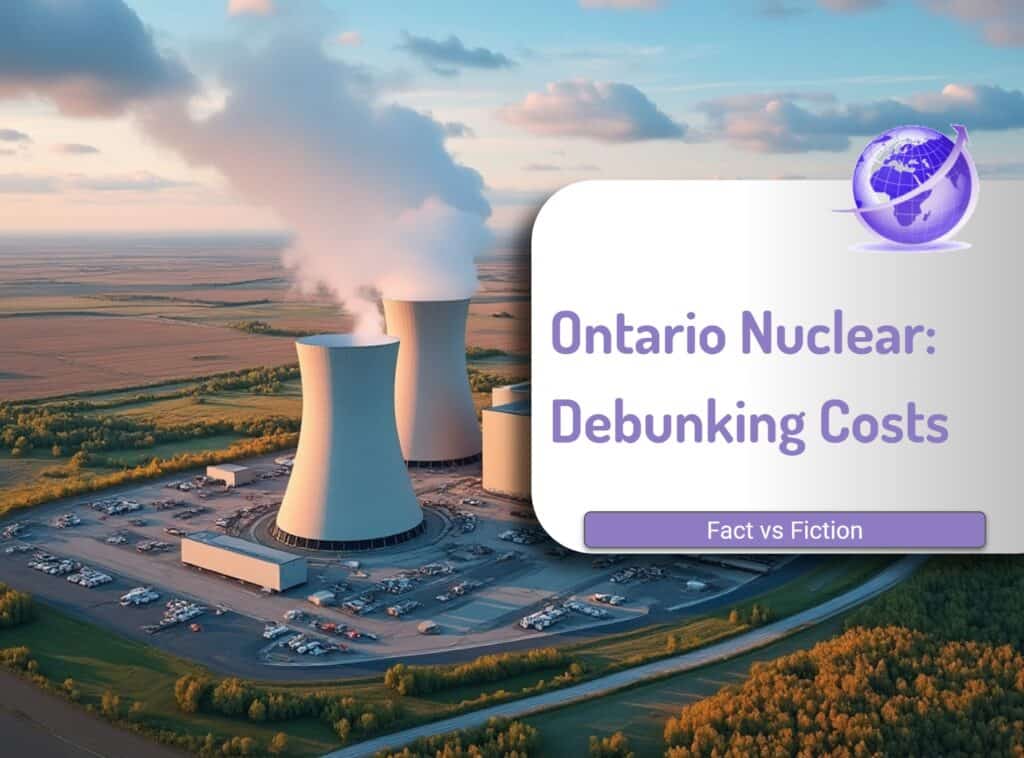
Nuclear power is often presented as the answer to climate change, and this category tests that claim against cost, time and evidence. Our posts examine the economics of new reactors, the subsidies that nuclear receives, and how renewable energy now compares on price, including UK nuclear against wind, solar carparks in France and the experience of Ontario. Updates such as Nuclear Update 2026 and Nuclear Renaissance v4.0 ask who is really building the so-called renaissance.

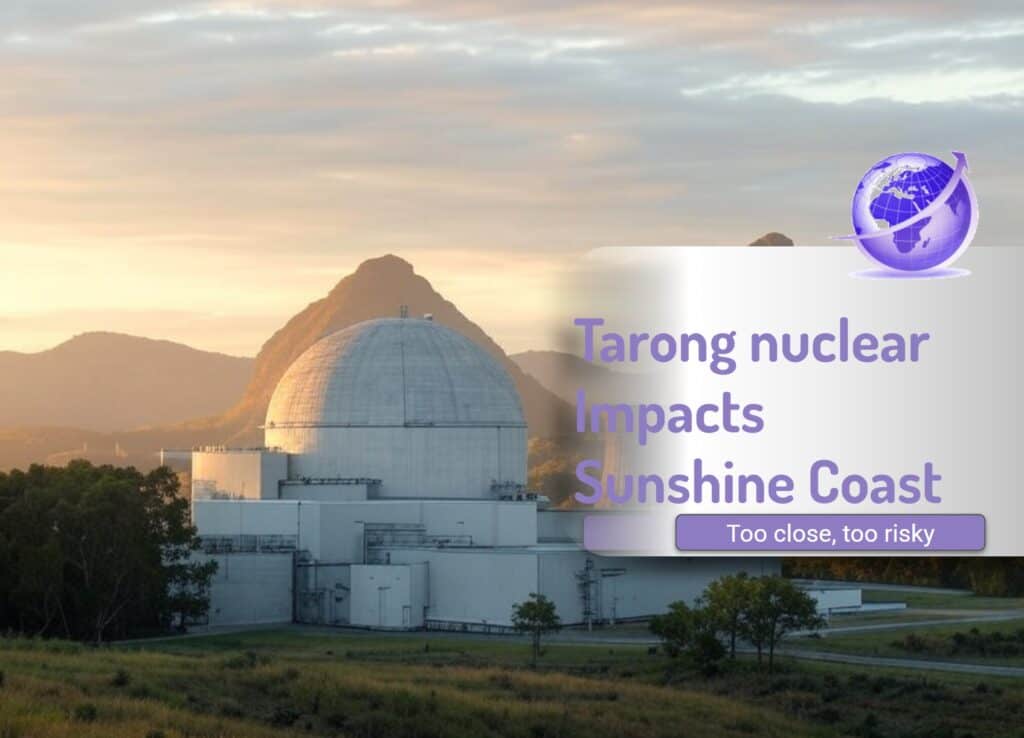
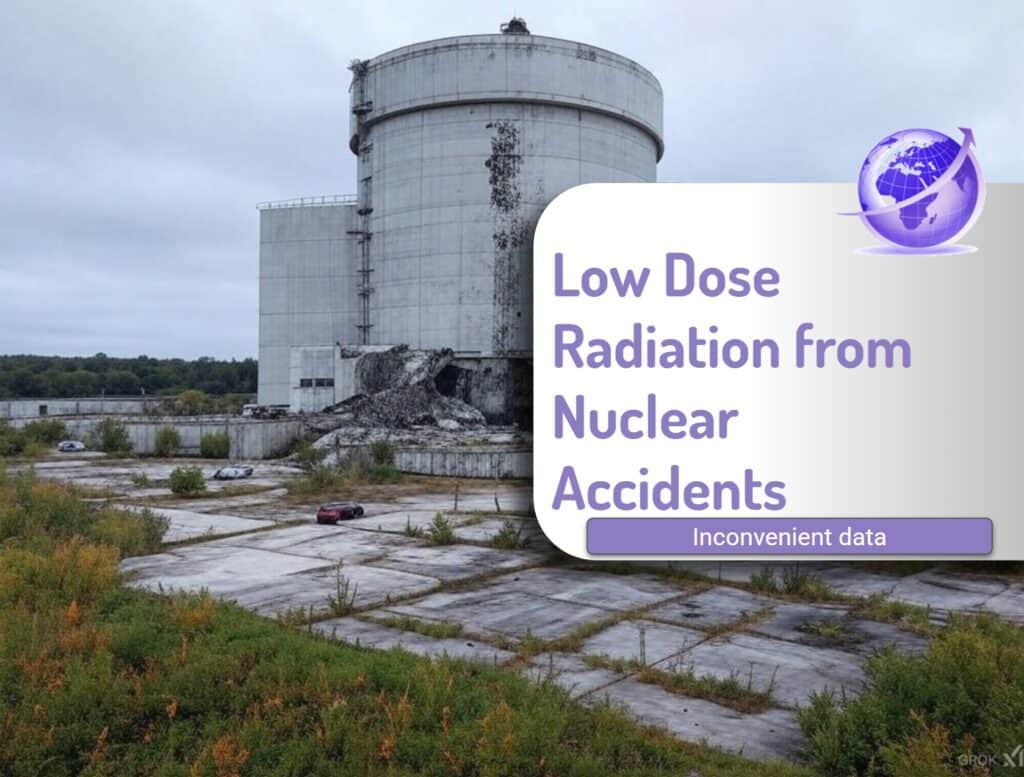
Other posts cover safety and waste: the nuclear waste problem, low-dose radiation from accidents, accident impacts for a proposed Tarong nuclear plant, and life cycle analysis of nuclear power. We look at uranium mining, small modular reactors, thorium reactors and fusion, asking whether any will arrive in time or at a competitive price. Several articles look at the UAE plant and at claims made about France.

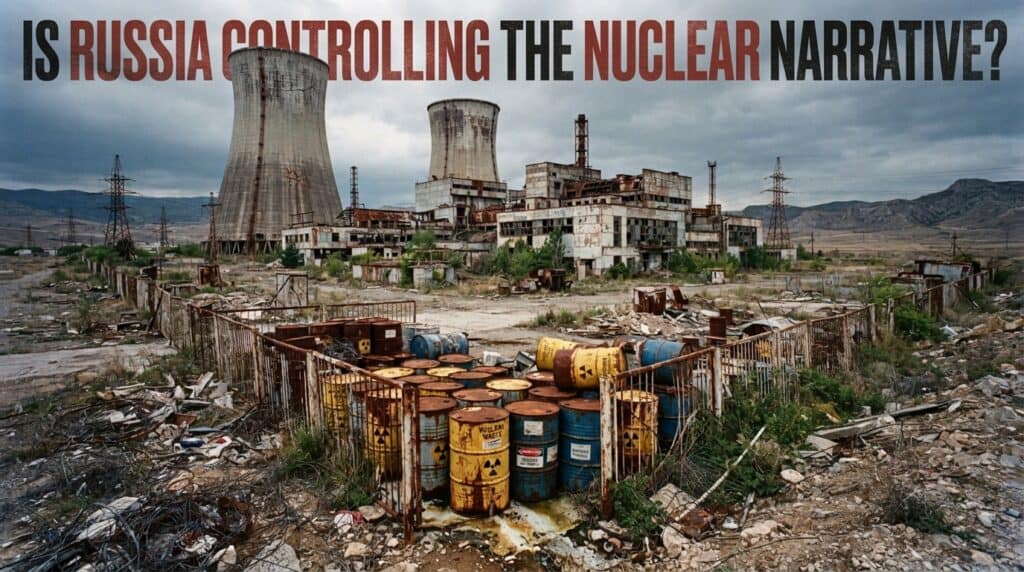
The common thread is that building nuclear takes too long and costs too much when solar, wind and batteries can be deployed quickly and cheaply. Fifteen myths of nuclear power are examined one by one. If you want the arguments against nuclear as an option for Australia and the world, with the evidence behind them, start here.

Nuclear power is often presented as the answer to climate change, and this category tests that claim against cost, time and evidence. Our posts examine the economics of new reactors, the subsidies that nuclear receives, and how renewable energy now compares on price, including UK nuclear against wind, solar carparks in France and the experience of Ontario. Updates such as Nuclear Update 2026 and Nuclear Renaissance v4.0 ask who is really building the so-called renaissance.

Other posts cover safety and waste: the nuclear waste problem, low-dose radiation from accidents, accident impacts for a proposed Tarong nuclear plant, and life cycle analysis of nuclear power. We look at uranium mining, small modular reactors, thorium reactors and fusion, asking whether any will arrive in time or at a competitive price. Several articles look at the UAE plant and at claims made about France.

The common thread is that building nuclear takes too long and costs too much when solar, wind and batteries can be deployed quickly and cheaply. Fifteen myths of nuclear power are examined one by one. If you want the arguments against nuclear as an option for Australia and the world, with the evidence behind them, start here.
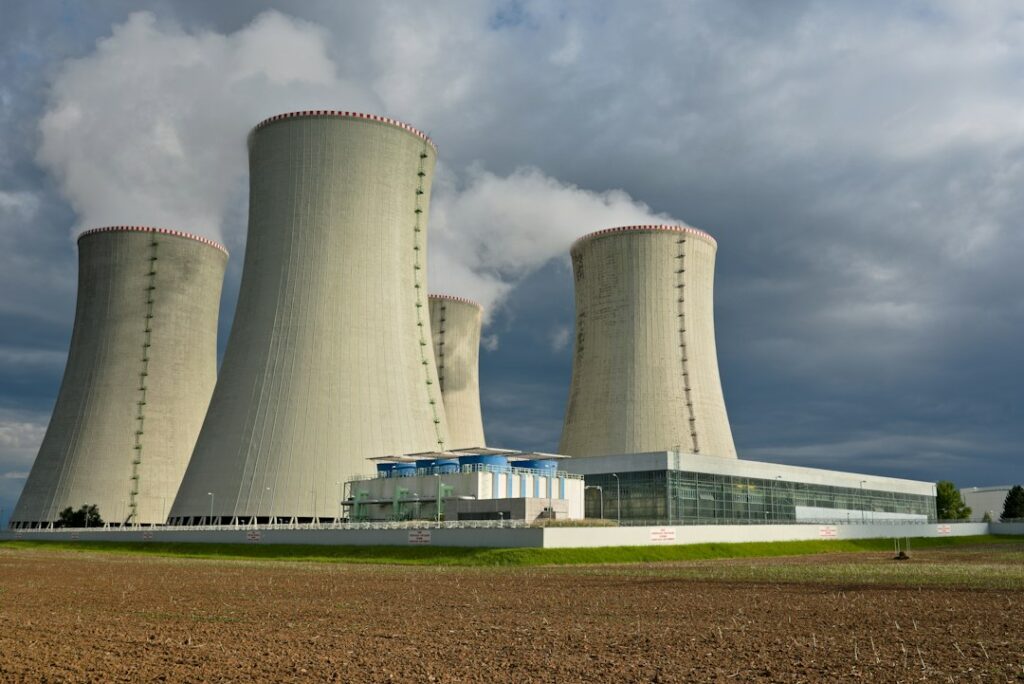
Concrete cooling towers of a nuclear power plant emitting steam under a cloudy sky
Nuclear, Renewable Energy

Nuclear Update 2026 – Still Moribund

The 2026 World Nuclear Industry Status Report confirms a quarter-century of stagnation: 411 reactors, record 375 GW, yet just 8.8% of global electricity. Russia and China dominate reactor construction, AUKUS partners the UK and US run ageing fleets, and renewables added 462 times more new capacity than nuclear in 2025.

Tarong Nuclear and accidents
Nuclear

Tarong Nuclear and Accident Impacts

Nuclear accidents happen
Summer thunderstorm patterns from Tarong to the Sunshine Coast means the Coast will be in the firing line of any accident at Tarong.
Low level radioactivity causes thyroid cancer for up to 60 years. People and lives are affected for generations and nuclear is not worth the risks

low dose radiation from nuclear accidents
Nuclear

Low Dose Radiation From Nuclear Accidents

The evidence is clear that nuclear accidents risk polluting large areas with I-131 and Cesium and populations of tens of thousand have increased risk of thyroid cancer. There is no minimum safe exposure, inspite of nuclear advocate misinformation. Nuclear accidents cost billions, and kill thousands indirectly. The risk is simply not worth it.

nuclear is not safe
Nuclear

Nuclear is Not Safe

Nuclear power is riskier than previously thought with failure rate of 1 per 3704 reactor years. That’s about 1 per decade. Despite safety improvements, severe accidents remain a concern. Limited data from the IAEA hinders thorough analysis.

advances in thorium nuclear reactor
Nuclear, Renewable Energy

Advances in Thorium Nuclear Reactors

India and China have made considerable progress in developing thorium-based nuclear reactors, recognizing their potential as safer, more sustainable alternatives to uranium reactors. India’s program focuses on the Advanced Heavy Water Reactor using thorium and a small amount of uranium-233, while China’s involves pioneering molten salt technology in the Chinese Thorium Molten Salt Reactor project. Alongside, companies like Copenhagen Atomic are also advancing thorium technology, facing challenges like isotope production and corrosion-resistant materials.

Scroll to Top