Disruption

Disruption happens when several technologies converge to make an old system obsolete, and this category explains how it unfolds. Our posts draw on thinkers such as Tony Seba, with his three disruptions and eight technologies, and on Tesla’s Masterplan, and they ask why experts so often get it wrong, from the faster horse fallacy to IEA forecasts that were out by seven times. A recurring pattern is that the new technology looks like a toy, grows exponentially, then takes over quickly.

Energy sits at the centre. Posts describe the shift from baseload to dispatchable electricity, exponential growth in batteries, rapid growth of electric vehicles and the fall in fossil fuel use. They argue for wires, not pipes, and ask whether net zero should aim at 97 or 100 percent. Others look at fossil fuel excess profits and the case for redirecting subsidies worth 2 percent of GDP to net zero.

Disruption reaches beyond energy to food, robotic surgery, e-fuels and active transport, and brings changes to society and growing mistrust in science. Read these articles to learn how to recognise a disruption early, avoid the traps of linear forecasts, and understand why the energy transition may be faster than most predict.

Disruption happens when several technologies converge to make an old system obsolete, and this category explains how it unfolds. Our posts draw on thinkers such as Tony Seba, with his three disruptions and eight technologies, and on Tesla’s Masterplan, and they ask why experts so often get it wrong, from the faster horse fallacy to IEA forecasts that were out by seven times. A recurring pattern is that the new technology looks like a toy, grows exponentially, then takes over quickly.

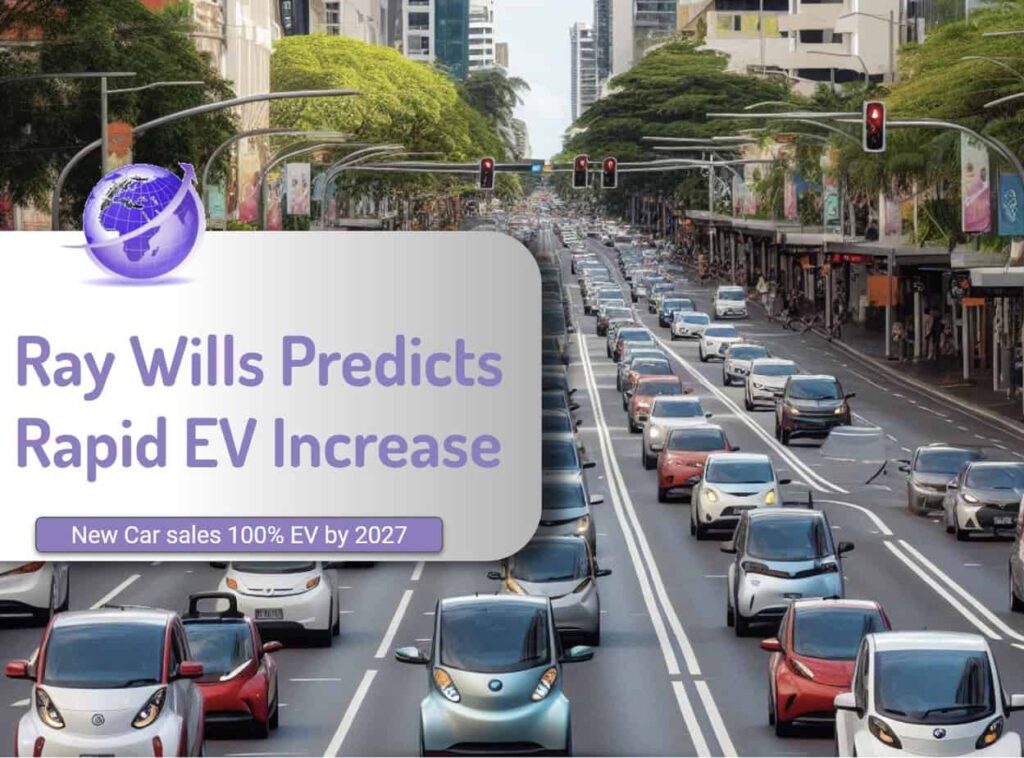
Energy sits at the centre. Posts describe the shift from baseload to dispatchable electricity, exponential growth in batteries, rapid growth of electric vehicles and the fall in fossil fuel use. They argue for wires, not pipes, and ask whether net zero should aim at 97 or 100 percent. Others look at fossil fuel excess profits and the case for redirecting subsidies worth 2 percent of GDP to net zero.

Disruption reaches beyond energy to food, robotic surgery, e-fuels and active transport, and brings changes to society and growing mistrust in science. Read these articles to learn how to recognise a disruption early, avoid the traps of linear forecasts, and understand why the energy transition may be faster than most predict.

98% or 100% to net zero by 2050
Disruption, Renewable Energy

97% or 100% for Net Zero

Wartsilar, better known for shipping engines in their modelling says 98% net zero by 2050 is cheaper than 100% WWS by Prof Jacobson. Meanwhile 100% is possible says Prof Mark Jacobson.
RethinkiX says Stellar enegy – 500% is most cost effective for superabundant energy.
Wartsilar fails the fossil fuel argument and keeps about 12,000 TWh of generation in the mix – albeit for just 3% of the electricity generation. The world demands 100% zero emissions, not net zero.

Building a battery future in Australia electricity grid
Batteries, Disruption

Building a Battery Future

How to provide cost of living help, electrify the grid, and reduce 40% of Australia’s emissions? In 12 months? The govt could step in and provide buy 2 million household batteries for 40GWh. Customers would repay $60 per month interest free through their electricity retailer.
Cost is less than existing programs and subsidies.

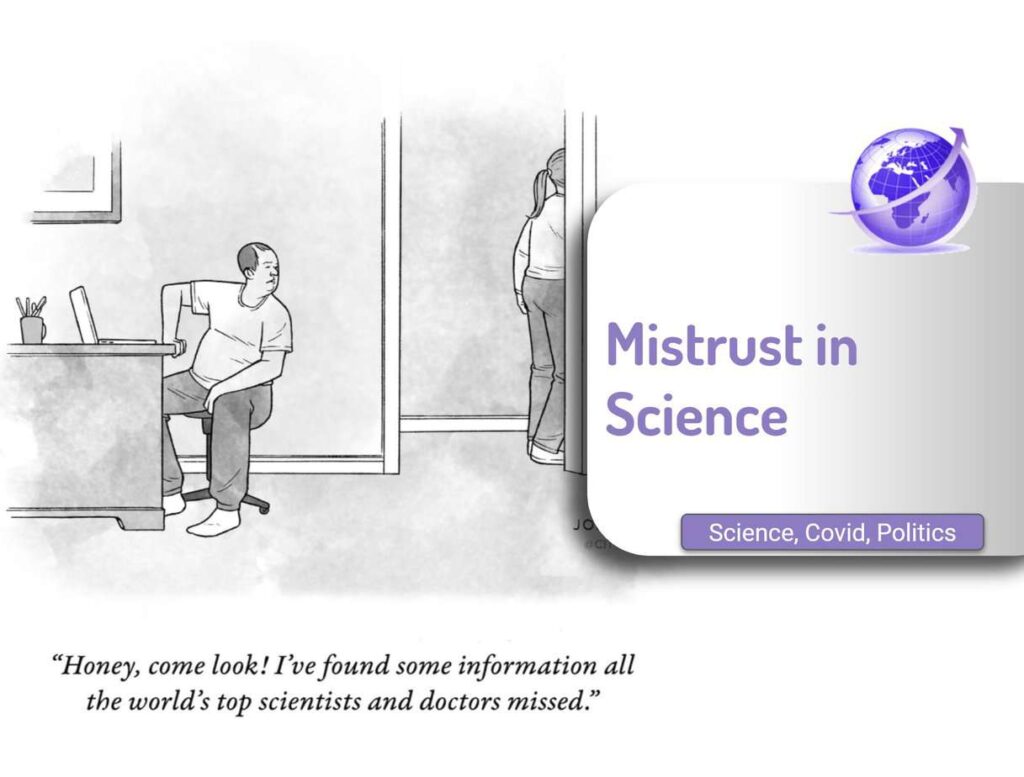
Mistrust in Science increasing
Disruption

Mistrust in Science Increasing

Most research shows Mistrust in science increasing over the past decades and primarily driven by political polarization, amplified by partisan media and social media algorithms that spread misinformation, with variation observed across age, rural vs. urban populations, and political affiliations. Was it the nuclear bomb, or Rachael Carson, but mistrust is increasing rapidly.

Scroll to Top