Minerals

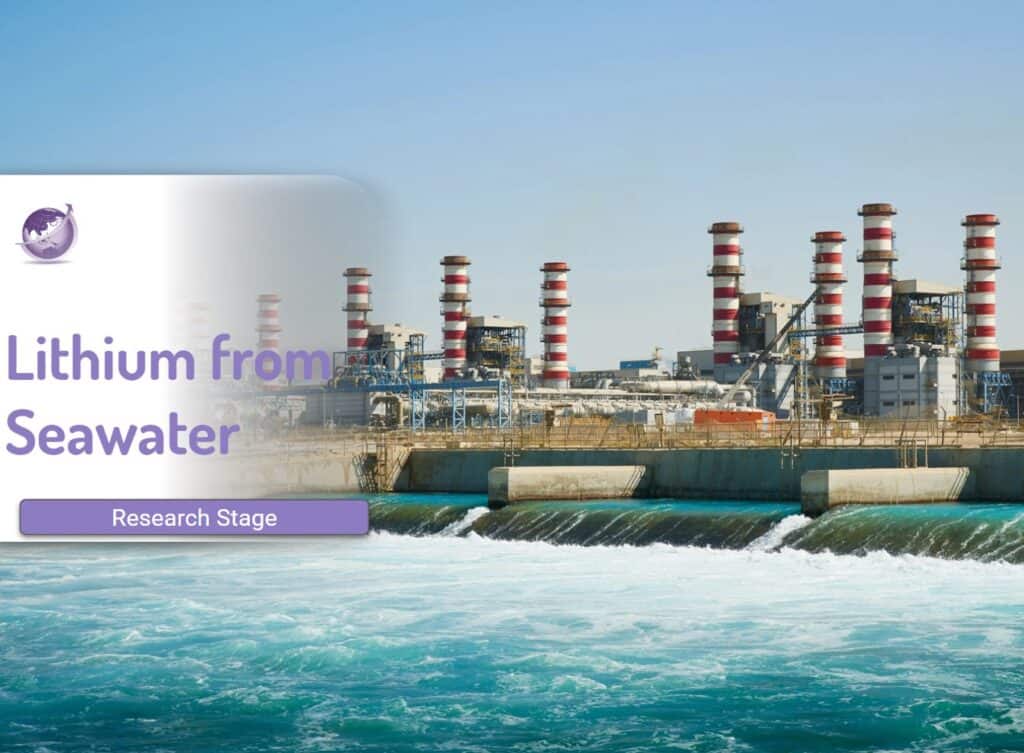
Renewable energy, batteries and electric vehicles are built from minerals, and this category asks whether the world can supply them. Our posts follow lithium from Chilean brines to direct lithium extraction and demonstration plants that recover it from seawater, and they weigh concerns about shortfalls against evidence that supply can meet demand. We also look at cobalt, nickel, graphite, copper and rare earth elements, and at why changes in battery chemistry can reduce reliance on the scarcest of them.

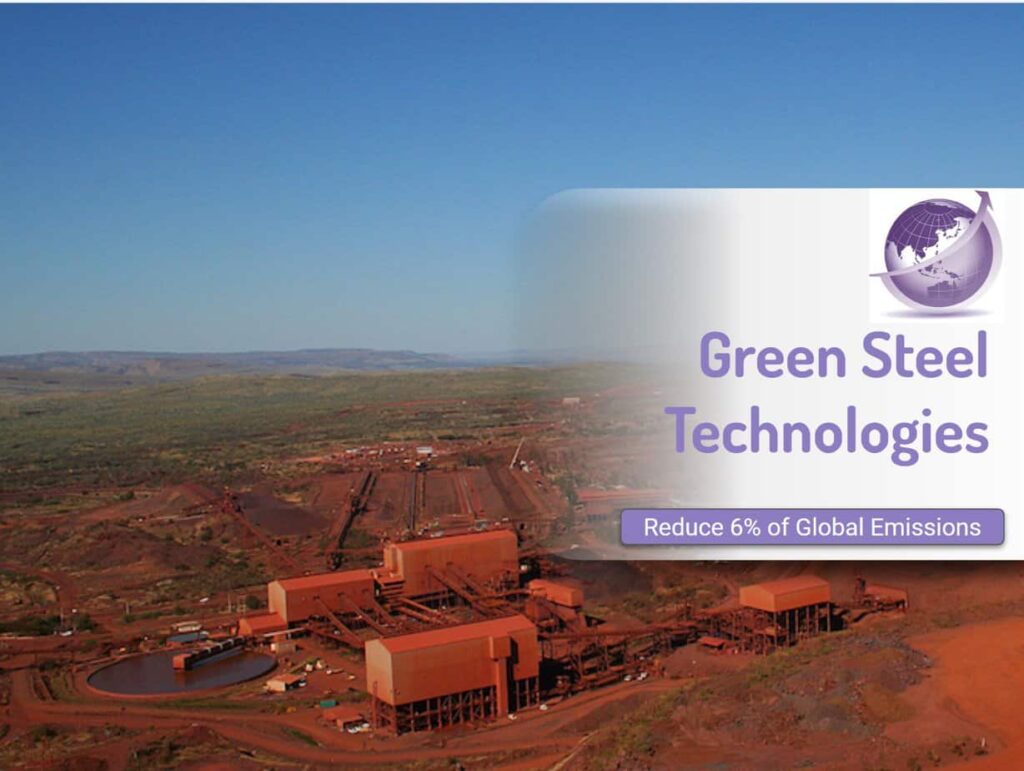
Minerals are also changing how we make materials. Several posts explore green steel, from molten oxide electrolysis to steel made from aluminium waste, along with green aluminium and the projects led by Fortescue. Others examine deep-sea mining, agromining with plants, and platinum group metals.

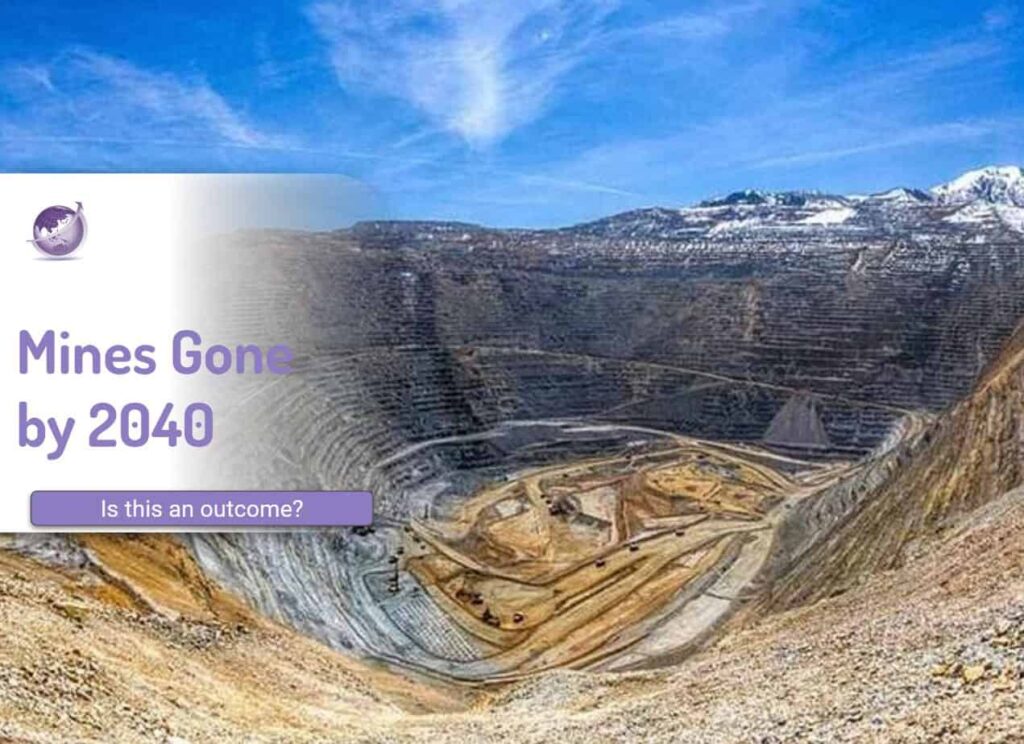
The theme running through the category is that mining for a clean energy system is largely a one-off build, while mining coal, oil and gas never ends, because fuel is burnt and gone while metals can be recycled and reused. That is why we expect the number of mines to fall sharply in coming decades, not grow. If you want to understand where the metals for the transition will come from, what they cost, and how recycling and new technology will change the picture, start here.

Renewable energy, batteries and electric vehicles are built from minerals, and this category asks whether the world can supply them. Our posts follow lithium from Chilean brines to direct lithium extraction and demonstration plants that recover it from seawater, and they weigh concerns about shortfalls against evidence that supply can meet demand. We also look at cobalt, nickel, graphite, copper and rare earth elements, and at why changes in battery chemistry can reduce reliance on the scarcest of them.

Minerals are also changing how we make materials. Several posts explore green steel, from molten oxide electrolysis to steel made from aluminium waste, along with green aluminium and the projects led by Fortescue. Others examine deep-sea mining, agromining with plants, and platinum group metals.

The theme running through the category is that mining for a clean energy system is largely a one-off build, while mining coal, oil and gas never ends, because fuel is burnt and gone while metals can be recycled and reused. That is why we expect the number of mines to fall sharply in coming decades, not grow. If you want to understand where the metals for the transition will come from, what they cost, and how recycling and new technology will change the picture, start here.
deep-sea mining
Minerals

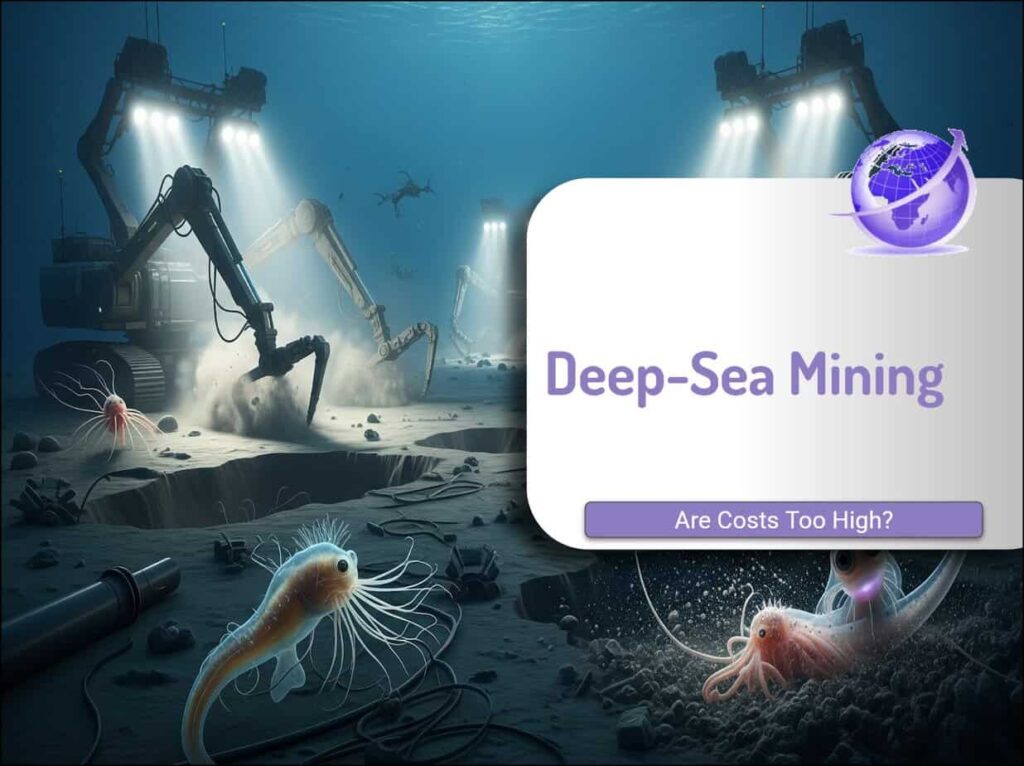
Deep-sea Mining

Deep-sea mineral mining is a proposed industry that aims to extract valuable minerals from the ocean floor. While it offers potential benefits for meeting the growing global demand for metals, it also poses significant environmental risk. The pros and cons are shown to provie little benefit to the supply of minerals but the money speaks. More destruction likelu

Molten oxide electrolysis may change green steel
Minerals

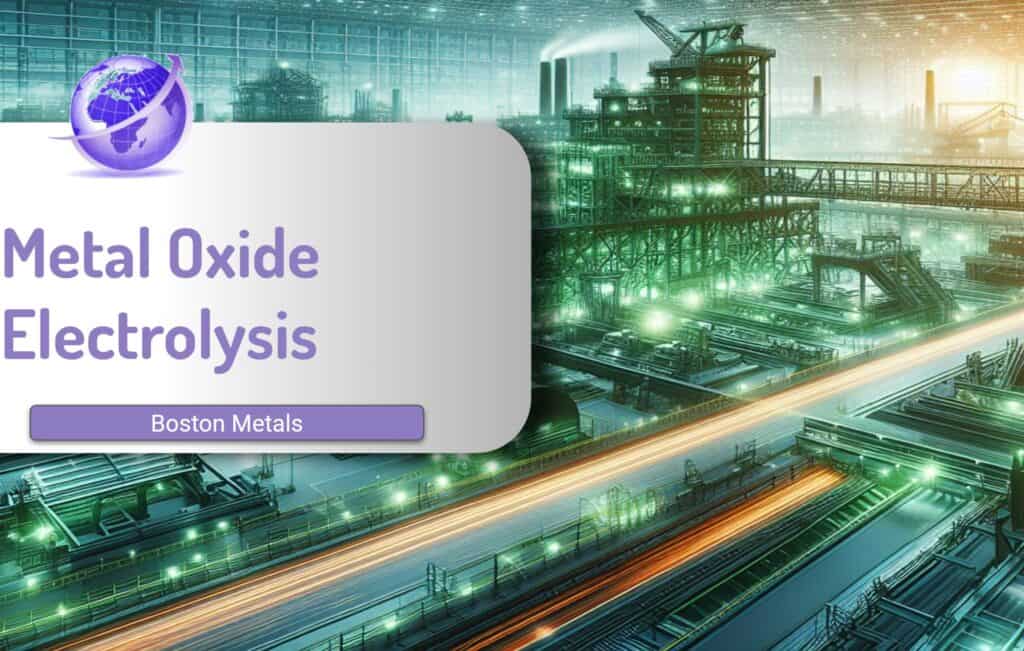
Molten Oxide Electrolysis for Green Steel

The molten oxide electrolysis process by Boston Metals has the opportunity to revolutionise steel refining. During the past decade, they have progressed from lab scale to millions of tonnes industrial process and would enable rapid decarbonisation of the steel industry.

Green steel fast to abate
Minerals

Green Steel Easy to Abate?

Green steel shouild be viewed as fast-to-abate not hard-to-abort as is generally viewed. Using renewable energy reduces emissions in all parts of the steel refinery emissions.

Scroll to Top