Batteries

Batteries are the standout technology enabling the build-out of renewable energy. They do not make electricity, but when paired with solar and wind they free us from wires and fuel, and they are moving from powering our devices to powering vehicles, homes and entire grids. Costs have fallen about 97% over the past 20 years, following Wright’s Law, where each doubling of production cuts cost by up to 15%.

Our posts follow the technology on every front: lithium-ion improvements, silicon anodes, sodium-ion cells launched in China, solid state announcements and the long record of Toyota’s solid state delays, plus iron-air, liquid metal, flow, nickel-hydrogen and even gravity and compressed air storage. Others cover 15-minute charging, million-kilometre and 1000-mile batteries, and research suggesting batteries can last 40 years.

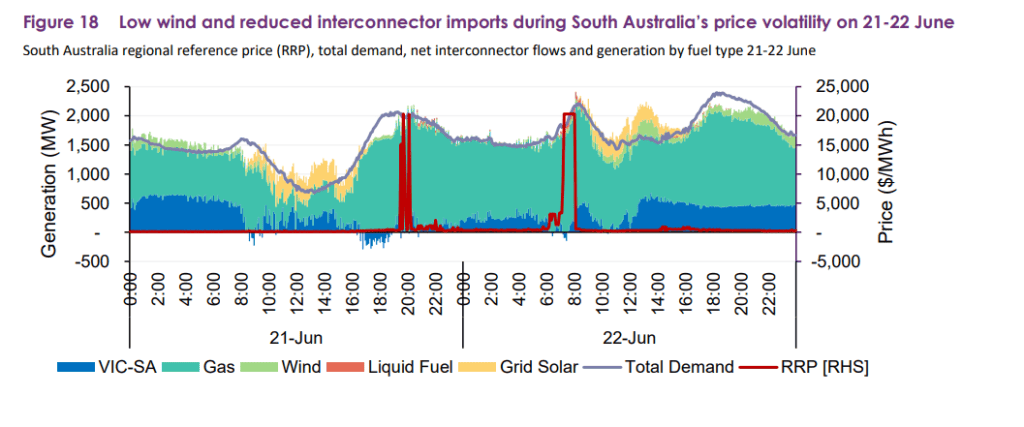
The bigger story is what batteries do to the grid. Posts show grid-scale and home batteries growing rapidly, community batteries on power poles, and how storage turns electricity from baseload into dispatchable power. A recent post explains how more storage, held back for the worst moments, could cut wholesale electricity costs by 20%. Pumped hydro and Queensland proposals are covered too. Start here to see why batteries are ending the fossil fuel era in transport and power.

Batteries are the standout technology enabling the build-out of renewable energy. They do not make electricity, but when paired with solar and wind they free us from wires and fuel, and they are moving from powering our devices to powering vehicles, homes and entire grids. Costs have fallen about 97% over the past 20 years, following Wright’s Law, where each doubling of production cuts cost by up to 15%.

Our posts follow the technology on every front: lithium-ion improvements, silicon anodes, sodium-ion cells launched in China, solid state announcements and the long record of Toyota’s solid state delays, plus iron-air, liquid metal, flow, nickel-hydrogen and even gravity and compressed air storage. Others cover 15-minute charging, million-kilometre and 1000-mile batteries, and research suggesting batteries can last 40 years.

The bigger story is what batteries do to the grid. Posts show grid-scale and home batteries growing rapidly, community batteries on power poles, and how storage turns electricity from baseload into dispatchable power. A recent post explains how more storage, held back for the worst moments, could cut wholesale electricity costs by 20%. Pumped hydro and Queensland proposals are covered too. Start here to see why batteries are ending the fossil fuel era in transport and power.
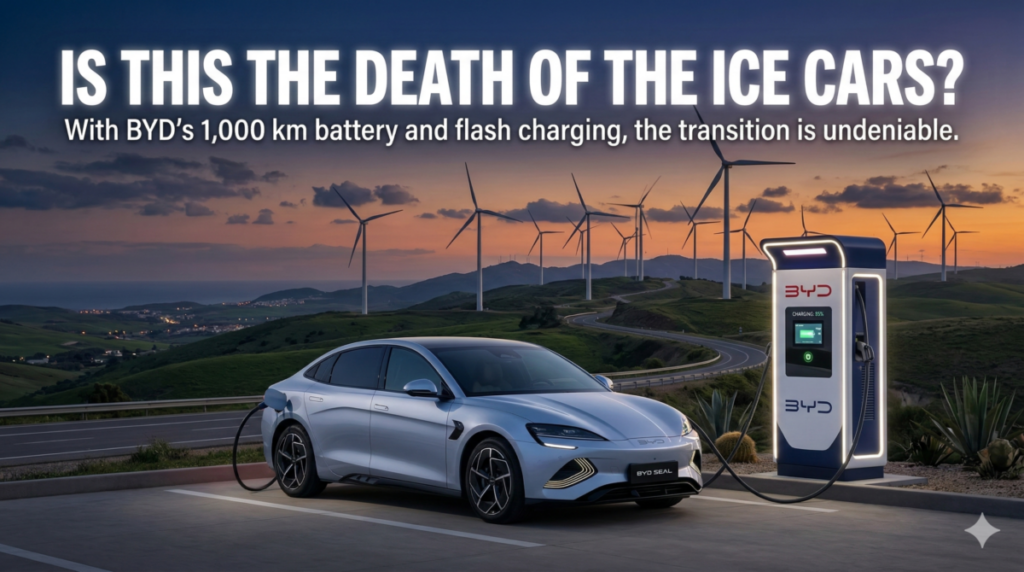
million kilometre battery from BYD
Batteries, EV

Million Kilometre Battery

BYD’s Blade Battery 2.0 is a game-changer, offering a million-kilometer lifespan and 1,000 km range. With “Flash Charging” adding 400 km in just five minutes, the traditional advantages of petrol engines have vanished. As BYD supplies this tech to Tesla and Toyota, the shift from internal combustion to ultra-durable, rapid-charging EVs has become inevitable.

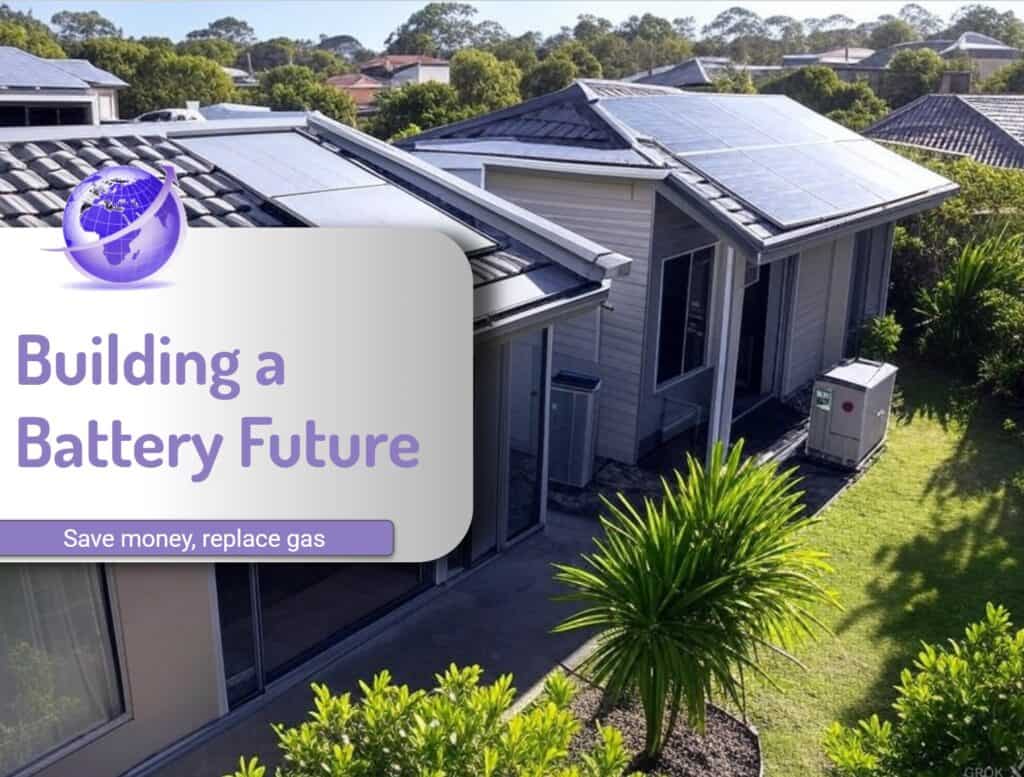
Building a battery future in Australia electricity grid
Batteries, Disruption

Building a Battery Future

How to provide cost of living help, electrify the grid, and reduce 40% of Australia’s emissions? In 12 months? The govt could step in and provide buy 2 million household batteries for 40GWh. Customers would repay $60 per month interest free through their electricity retailer.
Cost is less than existing programs and subsidies.

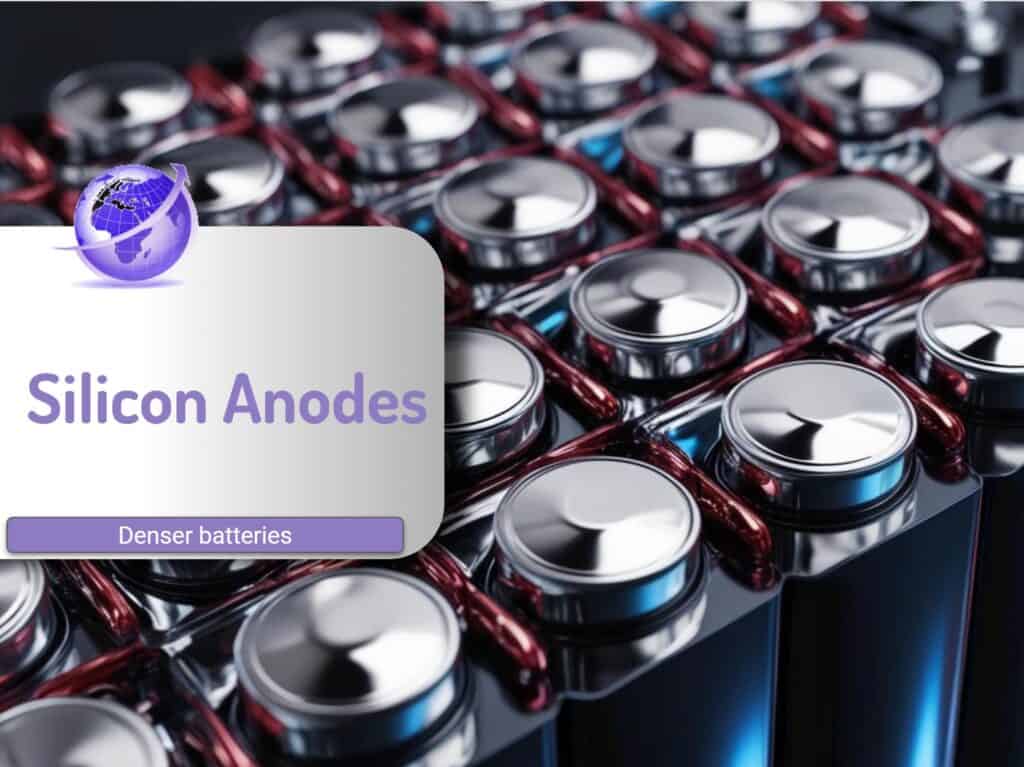
Group14 silicon anode batteries
Batteries

Group14 Silicon Anodes

Nano-silicon anodes are a promising new technology for lithium-ion batteries. They offer 30% superior capacity, faster charging and longer life than traditional graphite anodes. Group 14 is a leading company in this field, and their technology is already being used in smartphones. They are now expanding their production to meet the growing demand for batteries in electric vehicles and other applications.

Batteroes key to end of fossil fuel era
Batteries

Batteries End Fossil Fuel Era

Batteries are essential for the renewable energy transition. They enable storage of excess solar power, reducing reliance on fossil fuels. Tesla’s recent announcement of producing 100 million 4680 batteries highlights the rapid advancements in battery technology. This progress is crucial for a sustainable energy future, for electric transport and grid storage to enable full production by solar and wind for the end of the fossil fuel era

25 factors in battery systems
Batteries

25 Factors in Battery Systems

Batteries are essential components in modern technology. From smartphones to electric vehicles, they store and deliver energy efficiently. Understanding battery systems involves factors like chemistry, capacity, and management. Proper maintenance and disposal are crucial for ensuring their longevity and environmental sustainability.

1000-mile battery innovations
Batteries

1000-Mile Battery Innovations

Multiple manufacturers announce progress in lithium batteries. Increasing density, decreasing cost, increasing range, faster charging, more cycle life. Will the 1000-mile battery make it into vehicles by 2030?

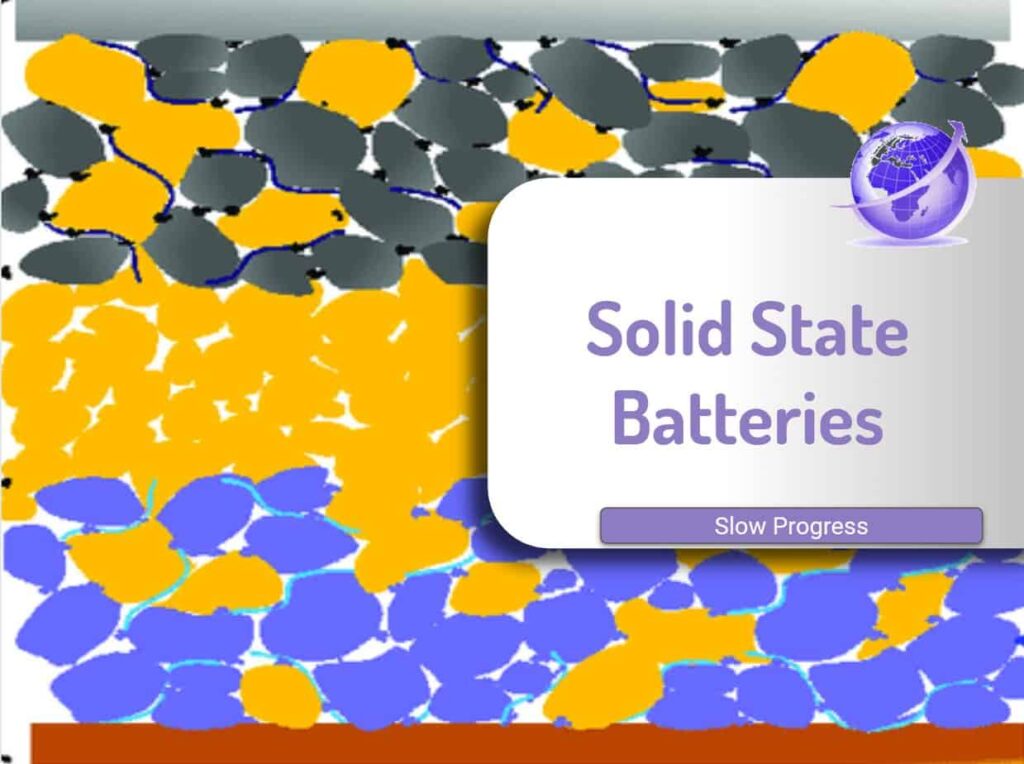
solid state battery announcements
Batteries

Ten Solid State Battery Announcements

Solid state battery announcements are from mutliple battery vendors. Promising faster charging, longer lifetime with greater energy density is the promise, but the challenge has been to match PR releases with reality. Schaeffler is the latest to enter the space.

Scroll to Top