Health

Health and medicine are essential for human welfare, and advances in genetics, testing and diagnosis are improving rapidly. This category follows the research and technology behind longer, healthier lives. Our posts cover artificial intelligence in medicine, including AI speeding up drug discovery, improving clinical trials and helping us live longer, along with the Human Cell Atlas, human 3D organoids, dementia diagnosis and treatment advances, and fitness wearables for disease prevention.

We also report on specific treatments and public health: Ozempic and other GLP-1 drugs for obesity, the effectiveness of statins in older people, and the estimate that vaccines have saved 154 million lives. Other posts look at the effects of Covid, including long Covid and evidence that it can reduce IQ, which show why prevention matters.

A smaller set of articles looks at the wider context for human welfare, including population growth, carrying capacity and whether the Earth’s population is too high. Together these posts show how technology disrupts medicine in the same way it disrupts energy and food, driven by data, computing and falling costs. Read them to see what is changing in health, which treatments have strong evidence, and how the same exponential trends reach beyond energy to our own bodies.

Health and medicine are essential for human welfare, and advances in genetics, testing and diagnosis are improving rapidly. This category follows the research and technology behind longer, healthier lives. Our posts cover artificial intelligence in medicine, including AI speeding up drug discovery, improving clinical trials and helping us live longer, along with the Human Cell Atlas, human 3D organoids, dementia diagnosis and treatment advances, and fitness wearables for disease prevention.

We also report on specific treatments and public health: Ozempic and other GLP-1 drugs for obesity, the effectiveness of statins in older people, and the estimate that vaccines have saved 154 million lives. Other posts look at the effects of Covid, including long Covid and evidence that it can reduce IQ, which show why prevention matters.

A smaller set of articles looks at the wider context for human welfare, including population growth, carrying capacity and whether the Earth’s population is too high. Together these posts show how technology disrupts medicine in the same way it disrupts energy and food, driven by data, computing and falling costs. Read them to see what is changing in health, which treatments have strong evidence, and how the same exponential trends reach beyond energy to our own bodies.
AI helps us live longer
AI & Robots, Health

AI Helps Us Live Longer

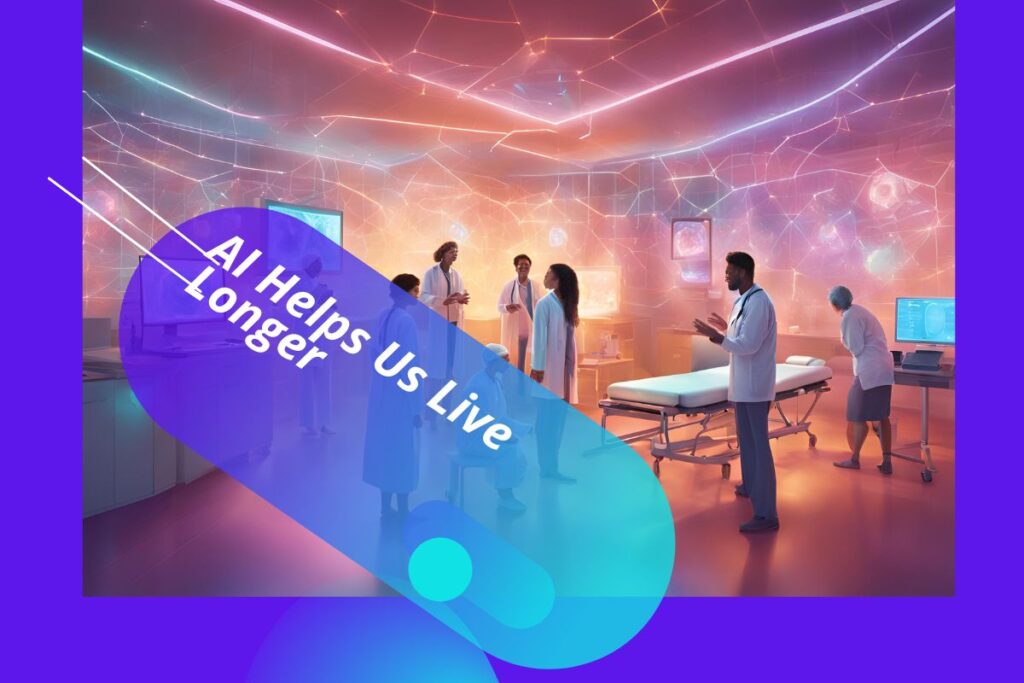
AI will help us live longer than we every expected. Not just to 120. We may be able to live to hundreds. We are in the midst of a healthspan revolution that will enable us to live vitally. Advanced diagnostics to catch any disease at inception. Tailored advanced therapies to reverse disease. Slowing, stopping, and potentially even reversing aging.

Human 3d organoids
AI & Robots, Health

Human 3D Organoids

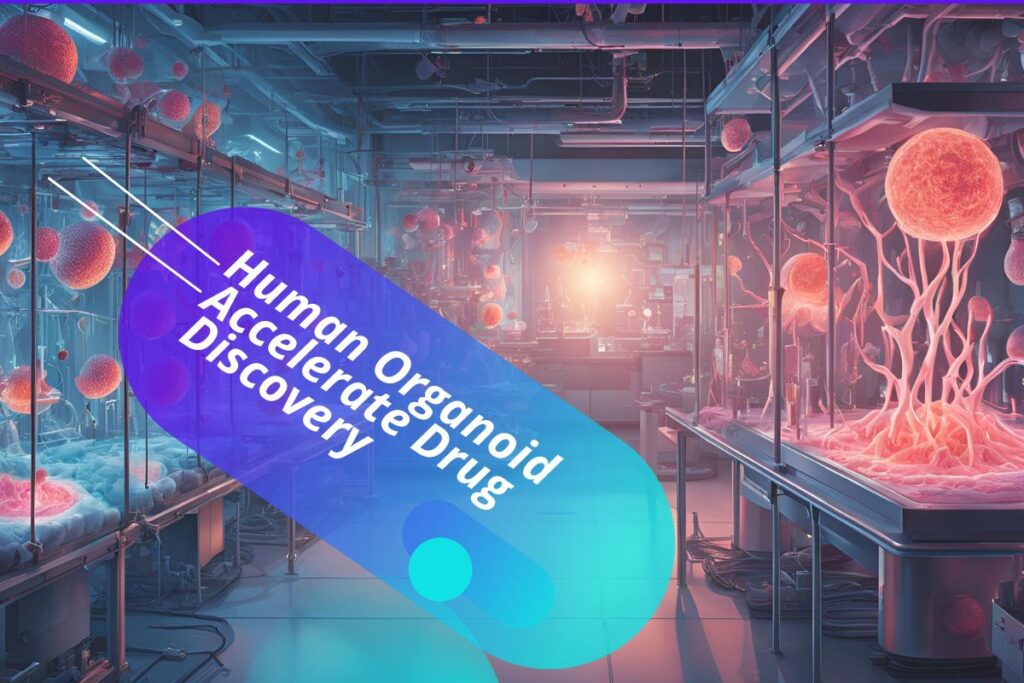
Human 3D organoids are in vitro 3D cultures that mimic the structure and function of human organs. They are derived from stem cells, which can self-renew and differentiate into various cell types. Organoids are a powerful in disease modelling, drug development, personalised treatment, and regenerative medicine. 

AI improves clinical trials
Health

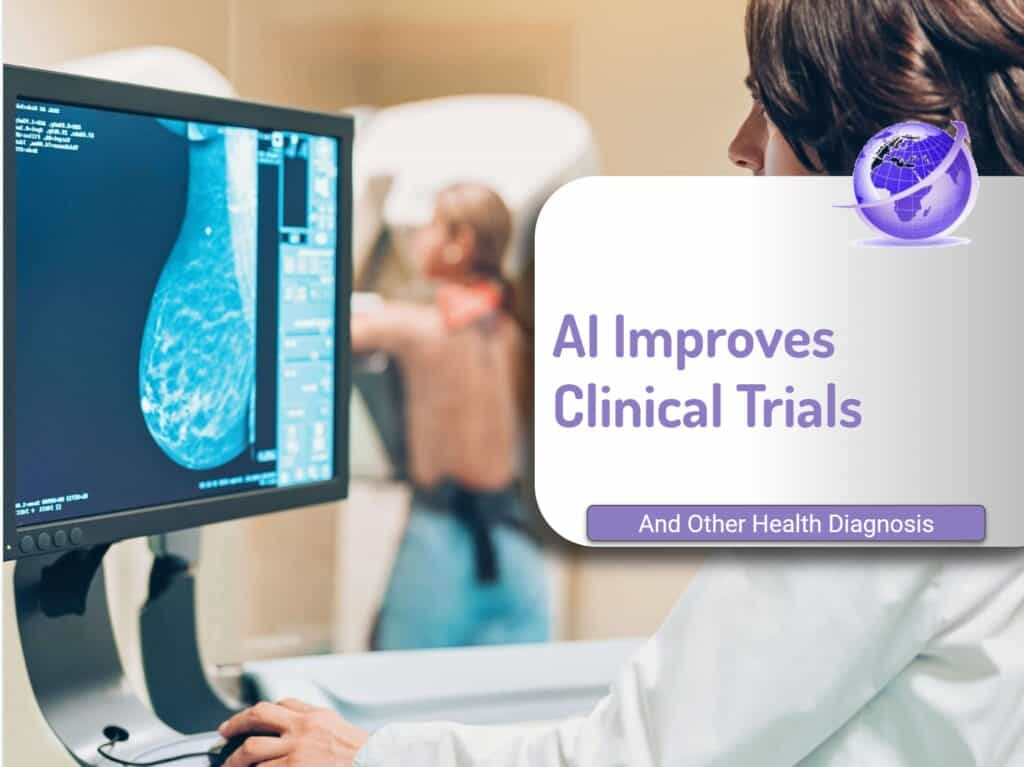
AI Improves Clinical Trials

AI is transforming clinical trials by predicting success with 90% accuracy. This could lead to fewer trials, better outcomes, and reduced trial times. Companies like OPYL, OpenAI, and Moderna are at the forefront of this AI-driven healthcare revolution. Using 20 years of past clinical trial data, OPYL can improve trial outcomes by 4 to 5 times, reducing costs and improving success.

AI accelerates drug discovery
Health

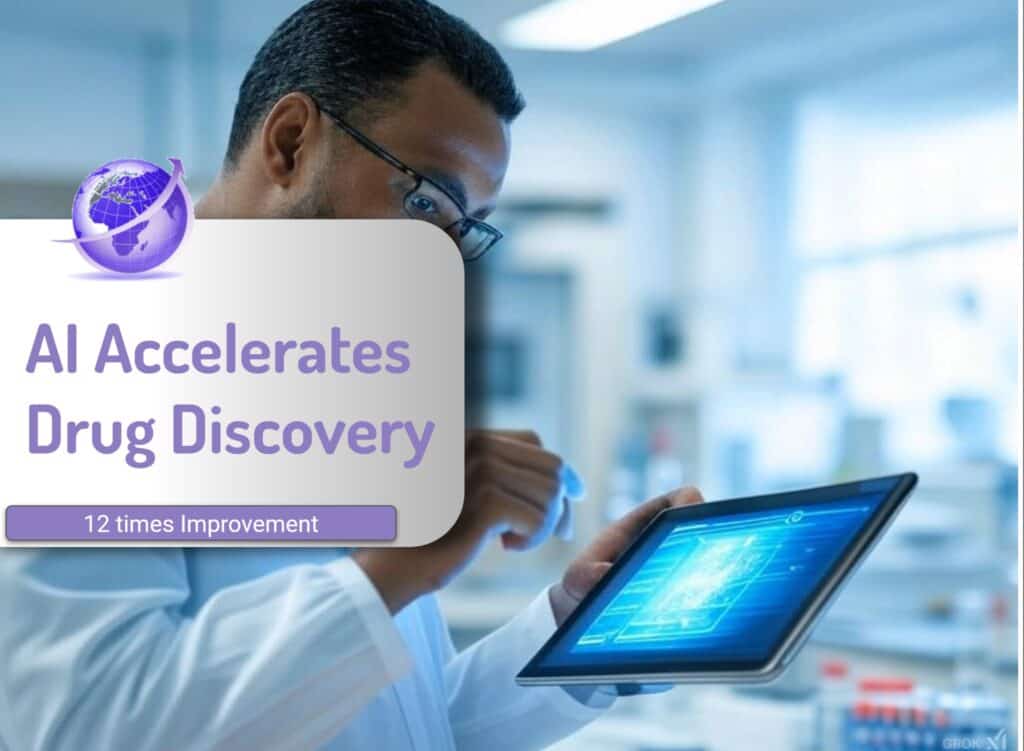
AI Accelerates Drug Discovery

Within a decade we will cure disease, not just treat it. AI accelerates drug discovery and will reduce cost of new drugs by 4 from $2.4 billion to $600 million, and time from 14 years to 6 years. ROI improves 12 times. AI in medicine will not just improve medicines but will improve diagnosis and treatment.

covid spike protein damages brain
Health

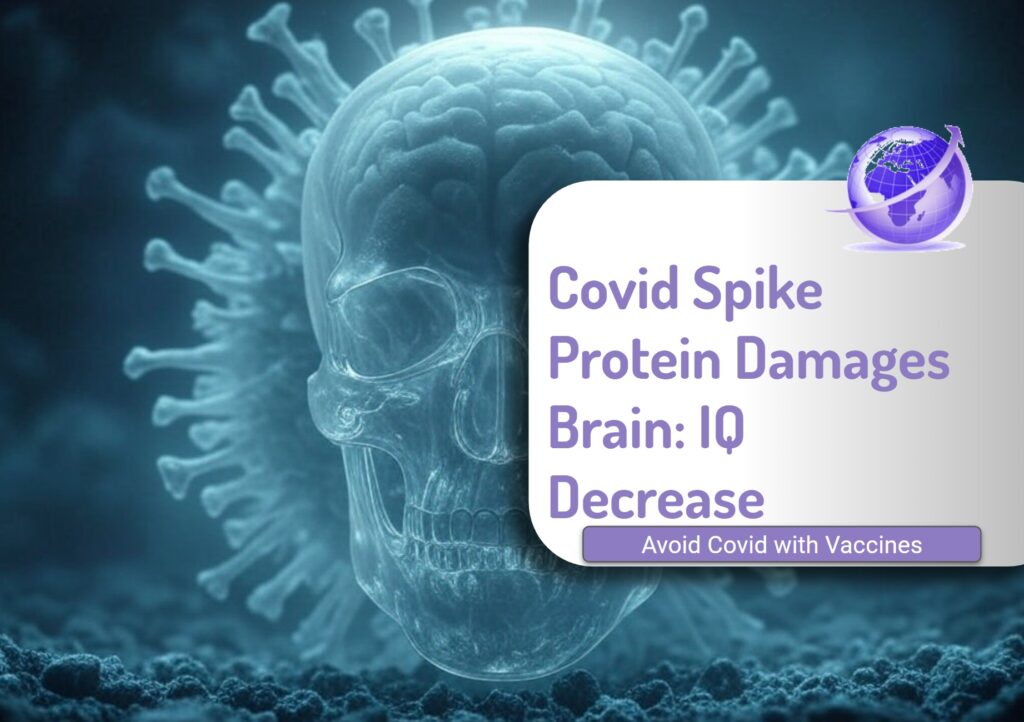
Covid Reduces IQ

New research from Prof Ali Max reveals the COVID-19 spike protein can persist in the body for years, causing brain damage. The protein accumulates in the skull and meninges, leading to inflammation, neuronal damage, and neurodegenerative changes. Long COVID patients exhibit elevated levels of neurodegenerative markers. Vaccination can significantly reduce spike protein accumulation and long-term neurological effects.

statins for over 70 year olds
Health

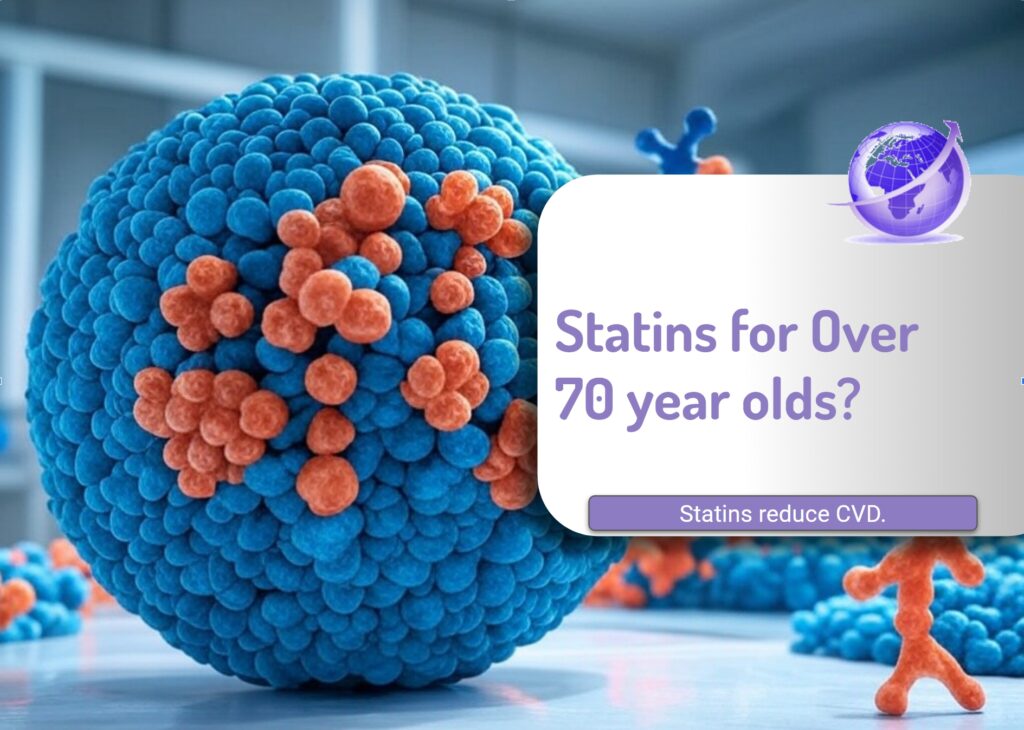
Statin Effectiveness in Older People 

Stroke is a major health issue, especially for those over 60. Statins lower cholesterol, stabilize plaques, and reduce inflammation, effectively preventing repeat strokes. However, evidence for statins preventing first strokes in the elderly, particularly those over 75, is weaker, leading to inconsistent guidelines.

Long covid impact
Health

Long Covid Impacts Updated

About one in eight people who get covid-19, also get long covid which is post-infection symptoms persisting for at least a month. Long covid impacts young and is cumulative. Loss of IQ. Loss of fitness, and for some months or years of pain. Long covid is real. Prevention is needed. Masks. Vaccines. Ventilation

human cell atlas progress
Health

Human Cell Atlas

The Human Cell Atlas project is revolutionizing our understanding of human biology with its 37 trillion cells and will transform medicine and healthcare. The Atlas provides not only the DNA, but where and how the RNA and control mechanisms operate

It is a testament to the power of collaborative research and the potential of big data to drive scientific discovery.  

Obesity GLP-1 Drugs for winder use
Health

Obesity GLP-1 Drug Use

We have all heard or know of someone who is taking the obesity drug but the exciting news is research going to take the obesity GLP-1 drugs for wider use. A science paper summary of the GLP-1 advances shows how researchers are focusing on other uses.

ozempic and GLP-1 drugs other uses
Health

Ozempic and GLP-1 Drugs

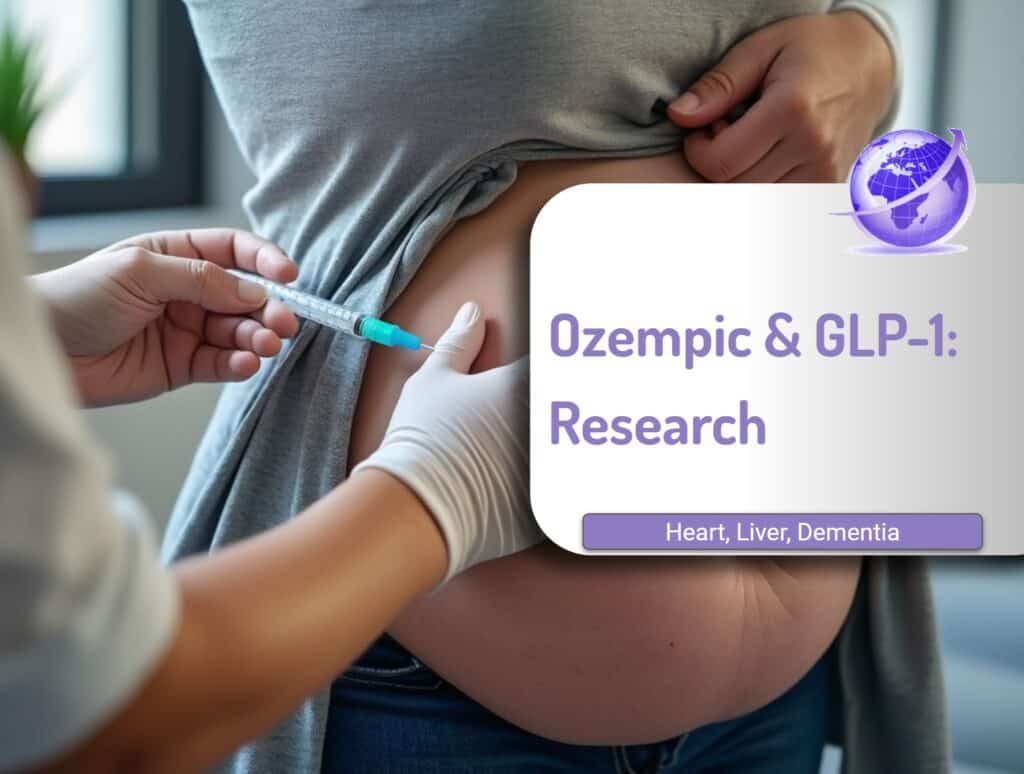
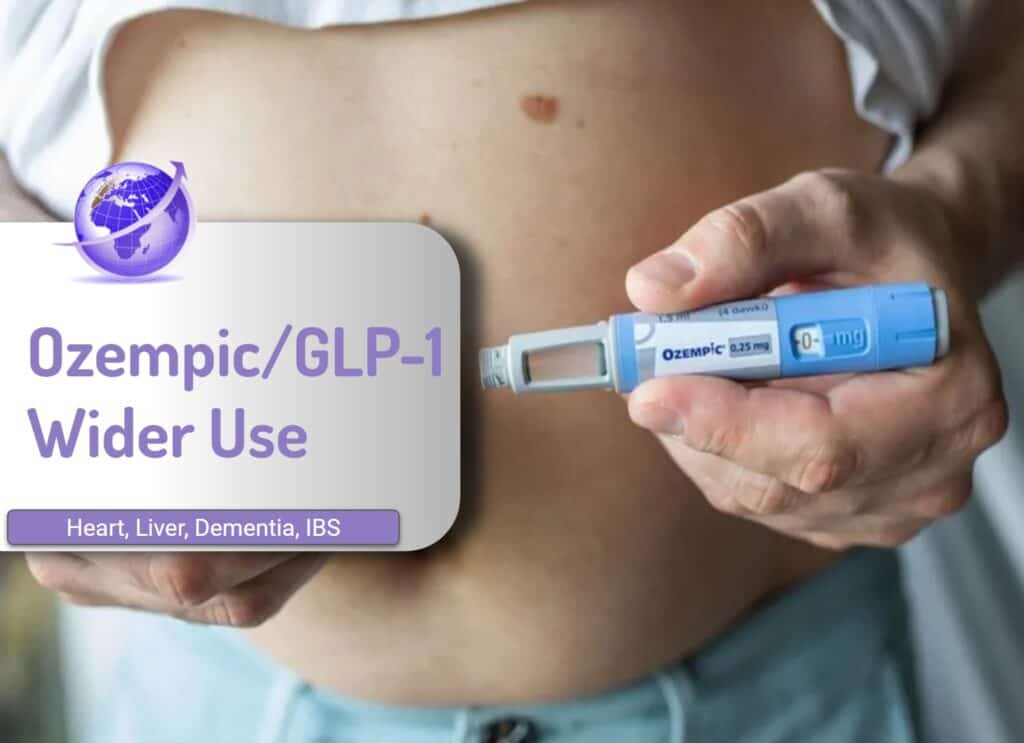
Ozempic and other GLP-1 receptor agonists have swept the world for obesity and type 2 diabetes. Their extended value is reducing inflammation and improving clinical outcomes in heart disease by 20% or more. Kidney diseases along with promising but less consistent evidence in liver diseases, while research in autoimmune diseases and dementia remains preliminary.

Follow the serialisation. Free.

Energy on Mondays. The Debunk on Wednesdays. AI, food and health long reads on weekends. Delivered to your inbox.

Scroll to Top