

Rare Earth Elements
Rare earth elements are a critical part of the renewable energy industry as well as in the past for catalysts and industrial products. We explore what they are, and where they can be found.

Rare earth elements are a critical part of the renewable energy industry as well as in the past for catalysts and industrial products. We explore what they are, and where they can be found.
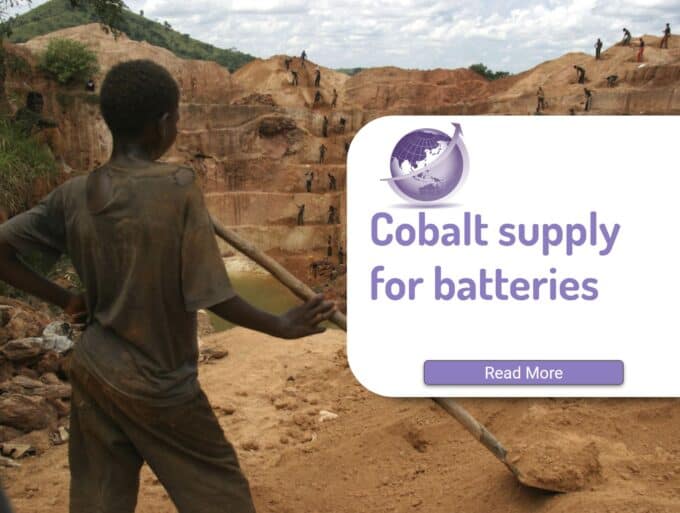
Cobalt is used in Lithium ion nickel batteries as the cathode. Globally, 98% of cobalt is a byproduct of copper […]
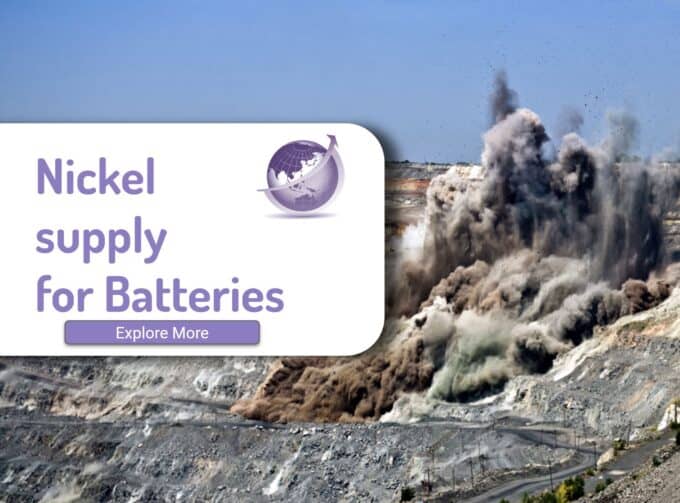
Nickel is a widely mined mineral, often in conjunction with copper around that world. Primary use is in stainless steel, but EV batteries require substantial amounts of nickel over the next decades.

Graphite is a key component in batteries and is the anode in most commercial batteries today. Sourced from fossil fuels, companies are seeking new carbon zero supply and looking to improve performance and reduce costs.
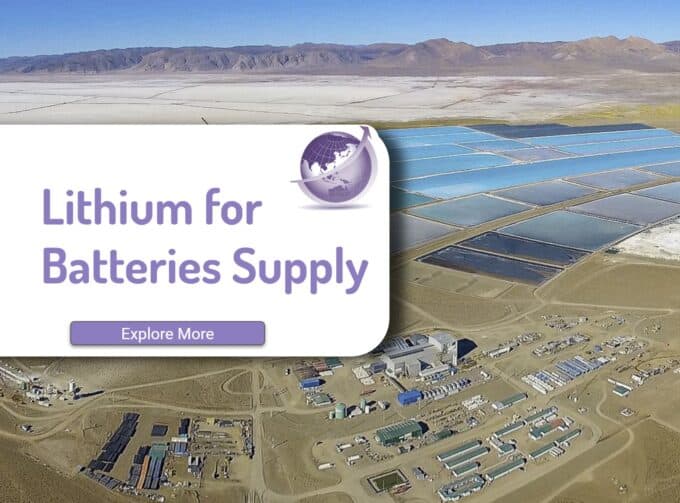
Lithium for batteries is in short supply and getting worse as batteries demand will increase by 30 times over the next decade. Mining supply is costly and slow. What other elements are in short supply.
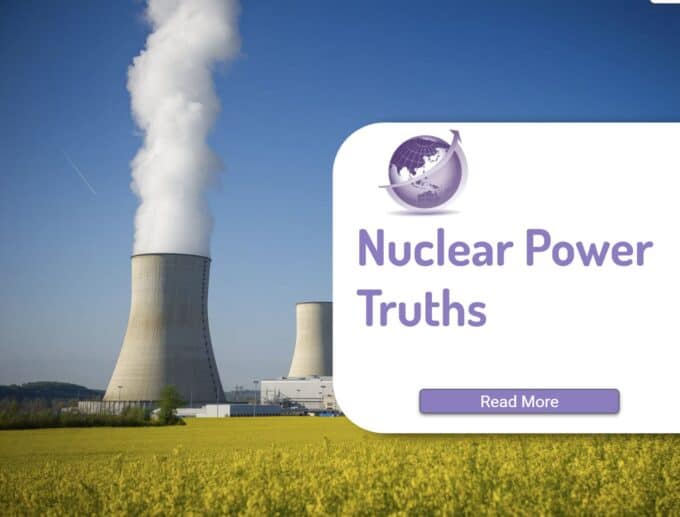
The conclusion is clear: Nuclear power not a sensible option. It fails on multiple front – technology, economic and political, yet the industry continues to push for nuclear as a viable option for decarbonisation in the next 20 years.
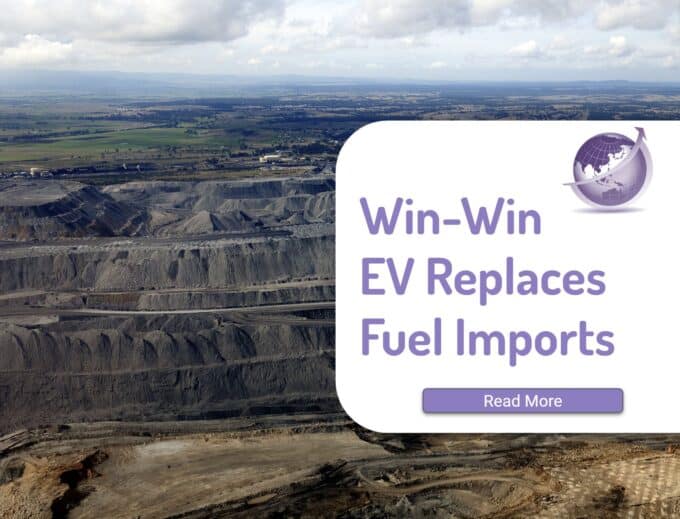
The value to Australia for coal exports is less than the cost to import petrol and diesel. Australia should transition to EVs as fast as possible to improve the balance of payment and reduce carbon emissions and save consumers money.

Simple napkin maths says that Tesla makes robotaxis economic. In fact the numbers are so high they are just not believable? So what is stopping this? Politics? Technology. The only thing seems to be timing. Will it be this year? 2024?
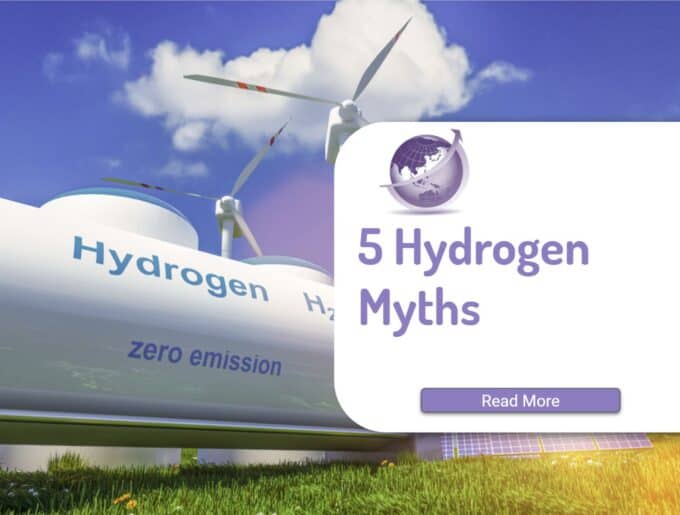
Renewable green hydrogen is a myth when auto makers and fossil fuel companies say will transform the transportation network. Here are 5 simple reasons you need to dispel myths about hydrogen

Australia can and should get to 400 % renewable energy by 2030 to be a leader in carbon planning globally.
Energy on Mondays. The Debunk on Wednesdays. AI, food and health long reads on weekends. Delivered to your inbox.
