
Hydrogen Buses Fail Economics
Real world examples where hydrogen fuel cell buses and transport systems have been deployed as “trials” and abandoned due to high costs and reliability.
Hydrogen is promoted as a clean fuel for everything, and this category asks where it actually makes sense. Our posts look at the physics and the economics: the carbon intensity of hydrogen, why hydrogen is itself a greenhouse gas, the problems of storing and transporting it, and the cost of electrolyzers. Many posts conclude that hydrogen for cars, buses, trains, motorcycles and home heating loses to batteries and direct electricity, and that unrealistic 2030 goals and billions of dollars of public money deserve scrutiny.
We do not dismiss hydrogen entirely. Posts also explore green hydrogen opportunities and progress from Fortescue, new technologies for cheaper hydrogen, geologic or gold hydrogen, and where hydrogen could replace fossil fuels in heavy industry. The aim is to separate myths from real opportunities.
Other articles examine Australia’s hydrogen superpower vision, the failure of hydrogen strategies at car makers such as Stellantis, a dead end in China, and expert views distilled from Dr Paul Martin. If you need a clear, evidence-based view of the hydrogen debate and the places it may truly be needed, start here.
Real world examples where hydrogen fuel cell buses and transport systems have been deployed as “trials” and abandoned due to high costs and reliability.

Will the decrease in the cost of hydrogen electrolyzers be sufficiently fast to compete with other energy solutions? Will China drive the cost down fast enough?

The passage of the IRA bill was enabled by politics and putting in expenditure to placate fossil fuel states and representatives. The $7 billion for hydrogen trucks is an example of sheer folly, but political necessity
Buses powered by Hydrogen are in the headlines – as the hydrogen industry try to muscle into the electric bus industry, With less than 0.1% of the global bus market – are they destined by by the BETA of tapes in 5 years?
Germany introduced hydrogen FCEV trains from 2018 in Frankfurt and Saxony areas. LNVG as now gone to tender for over 100 all battery electric as hydrogen too expensive and H2 trains termed “misery trains”.
Green steel produced by direct reduction is likely to have metallurgical coal become a stranded asset, as cost reductions and increasing technology improvements to make green steel viable.

Sophisticated modelling shows hydrogen for home heating is a non starter except in a few use cases and heatpumps and batteries provide a more effective solution to home energy use.

Hydrogen for transportation won’t die, and the big 4 Japanese motorcycle manufacturers have joined together to develop hydrogen engines for motorcycles. But Why?
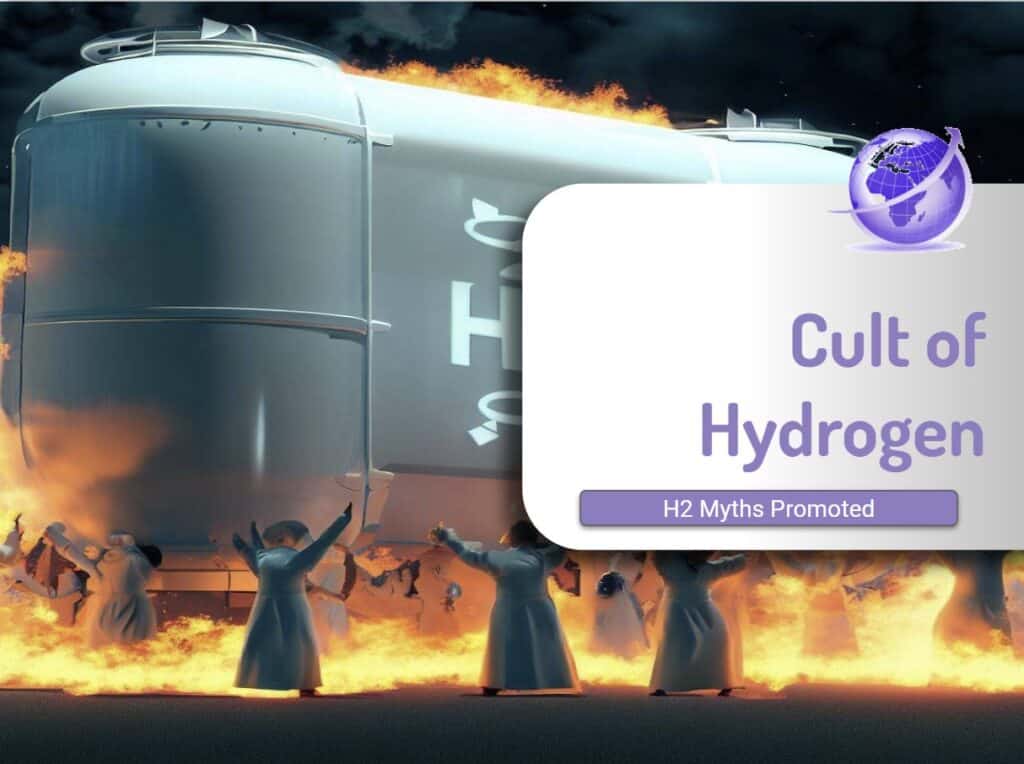
Is Hydrogen like a cult? Hydrogen cult madness? Proponents claim that H2 will solve the renewable energy transition challenges but the science evidence it wont.

Hydrogen fuel cell cars are still promoted but they will be dead within 2 years due to emissions as bad as petrol cars, poor infrastructure and rapid improving charging and range with battery electric cars.
