Renewable Energy

Renewable energy is growing faster than most forecasters expected, and this is the biggest category on the site. Our posts gather the evidence: electricity systems in the USA, China and many other countries going renewable rapidly, studies suggesting well over 100 countries could reach 100 percent renewable energy within years, and debates about how reliable the estimates are. We also keep an eye on forecasting failures, because agencies have repeatedly underestimated solar.

Solar and wind are the headline technologies. Posts look at booming photovoltaic supply, thin film and perovskite efficiency gains, concentrated solar, falling wind prices, offshore wind, wave and tidal power, geothermal and the carbon footprint of wind turbines. Others tackle myths, such as whether wind turbines kill birds, whether solar panels create a waste problem, and how recycling really works.

The category also covers the practical side of the transition: inertia in electricity grids, off-grid and uninterruptible power, heat pumps, balcony solar for renters, who owns Australia’s electricity and grid, and what green energy can save a household each year. A recurring theme is that stopping the burning of fossil fuels is simpler than it sounds, because wires carry energy more efficiently than pipes. Start here for the facts behind the energy transition.

Renewable energy is growing faster than most forecasters expected, and this is the biggest category on the site. Our posts gather the evidence: electricity systems in the USA, China and many other countries going renewable rapidly, studies suggesting well over 100 countries could reach 100 percent renewable energy within years, and debates about how reliable the estimates are. We also keep an eye on forecasting failures, because agencies have repeatedly underestimated solar.

Solar and wind are the headline technologies. Posts look at booming photovoltaic supply, thin film and perovskite efficiency gains, concentrated solar, falling wind prices, offshore wind, wave and tidal power, geothermal and the carbon footprint of wind turbines. Others tackle myths, such as whether wind turbines kill birds, whether solar panels create a waste problem, and how recycling really works.

The category also covers the practical side of the transition: inertia in electricity grids, off-grid and uninterruptible power, heat pumps, balcony solar for renters, who owns Australia’s electricity and grid, and what green energy can save a household each year. A recurring theme is that stopping the burning of fossil fuels is simpler than it sounds, because wires carry energy more efficiently than pipes. Start here for the facts behind the energy transition.
Renewable Energy

Renters Balcony Solar Battery

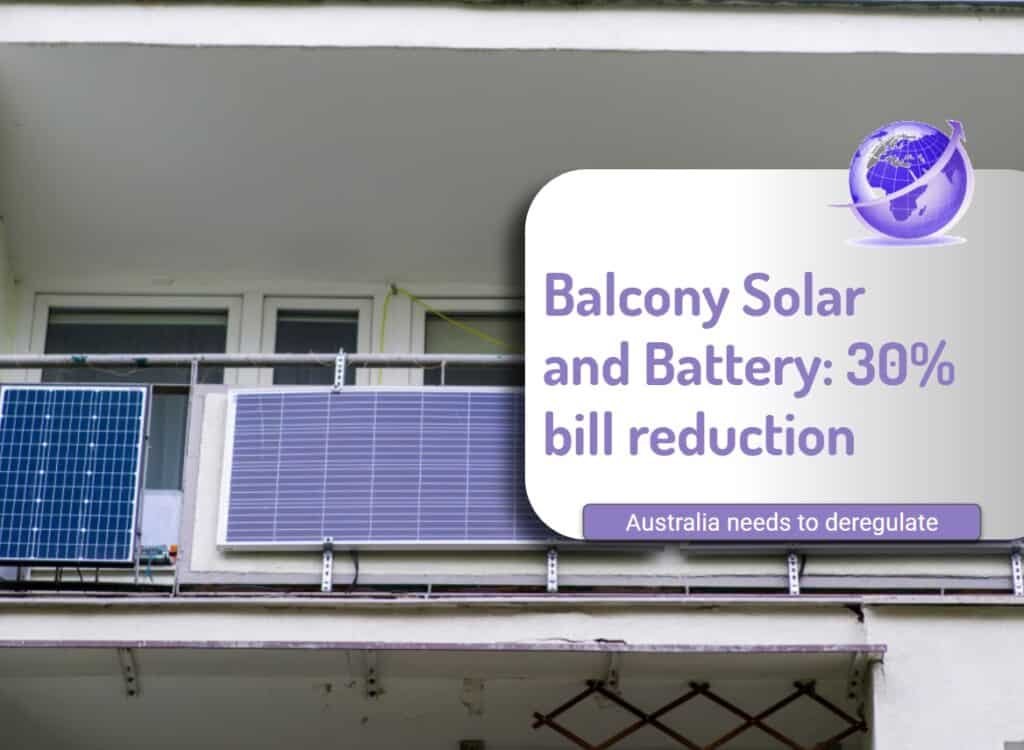
Australia needs to lift its ban on balcony solar and battery systems. A balcony system in 25 European countries is up to 2kW of PV sol;ar and 800W battery. An apartment could save up to 30% of its electricity bill and pay back the system in less than 6 years. Landlords cannot prevent approved systems.

electrify everthing
Renewable Energy

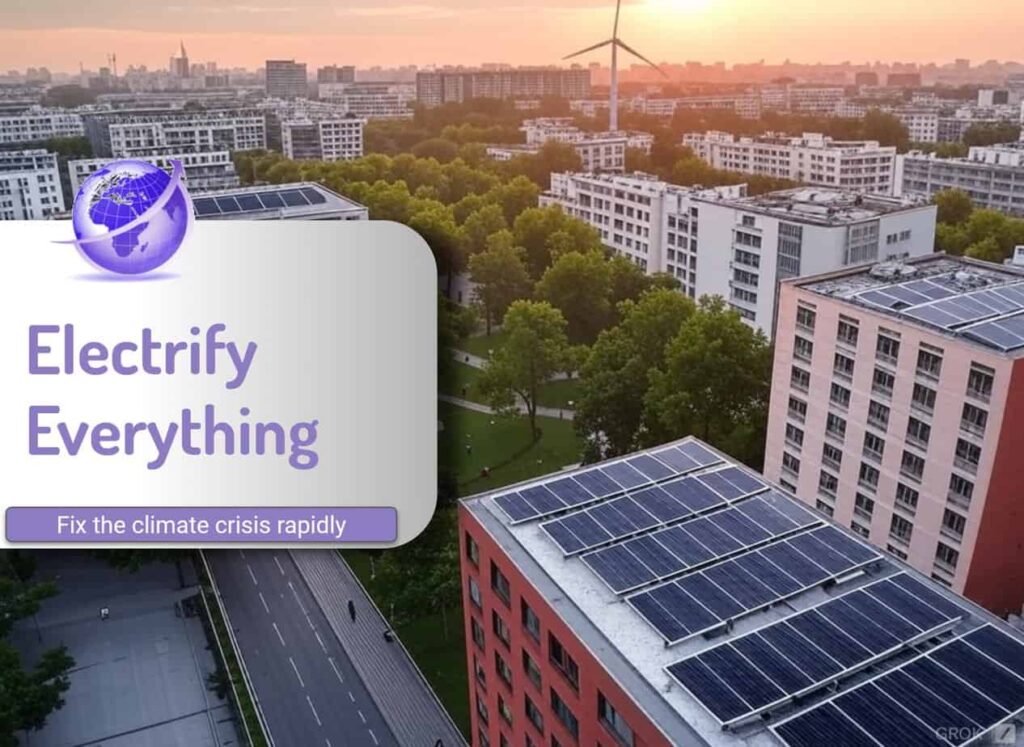
Electrify Everything

Electrification promises up to 80% of all global energy requirements and can rapidly stop emissions. In this podcast, Lord Adair Turner points out efficient technologies such as heat pumps, electricity for heating water, air, and materials can rapidly change emissions. The focus shifts from energy consumption to energy services for better human welfare. Solar PV costs at 9 cents/watt and batteries under $100/kWh enable transition.

Renewable Energy

Q&A Renewable Energy

Renewables can supply 100% power, with several countries already achieving high percentages. They are cheaper than fossil fuels, despite rising energy bills due to external factors. While land use is less for renewables, the environmental impact of fossil fuels is significant. Job transitions from fossil fuels to renewables are underway, with potential growth in sectors like battery technology. Renewables offer economic, environmental, and job benefits over fossil fuels.

wind prices falling
Renewable Energy

Wind Prices Falling

Wind turbine prices have increased recently due to factors like supply chain issues and inflation. However, technological advancements and economies of scale have led to more efficient and larger turbines, reducing the cost of energy production per MWh. While costs vary by country, China has seen significant reductions in wind turbine installation costs. Overall, the trend is towards more affordable wind energy, despite recent price fluctuations.

coal to build wind turbines provides a 50 times return
Renewable Energy

Coal to Build Wind Turbines

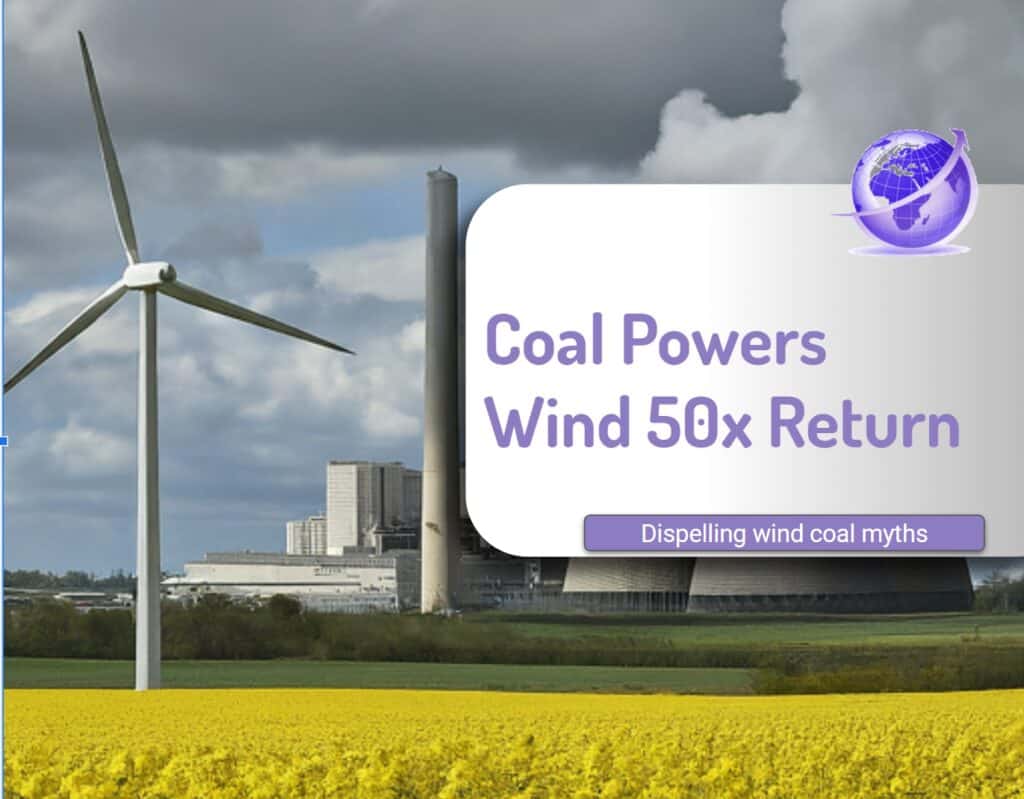
While over 260t steel, 300t iron ore, 170t coking coal are used to build a 4MW wind turbine, the energy from a wind turbine is 660 times more. The wind turbine produces 420GWh electricity over its 30-year life, while the equivalent amount of coal electricity would require 290,988t of coal. Therefore, wind energy is a much cleaner and more sustainable option.

gas transition to electric for australia
Renewable Energy

Gas Transition to Electric In Australia

As Australia transitions from fossil fuels to electricity by 2030, rapid shifts will mainly impact domestic gas consumption. New gas fields, key to government policy, are controversial due to their potential to hinder emissions reductions. The shift includes household electrification, increased renewable energy storage, and industrial process heat alternatives. Export markets face competition risks.

153 Countries 100% Renewable Energy
Renewable Energy

153 Countries 100% Renewable Energy

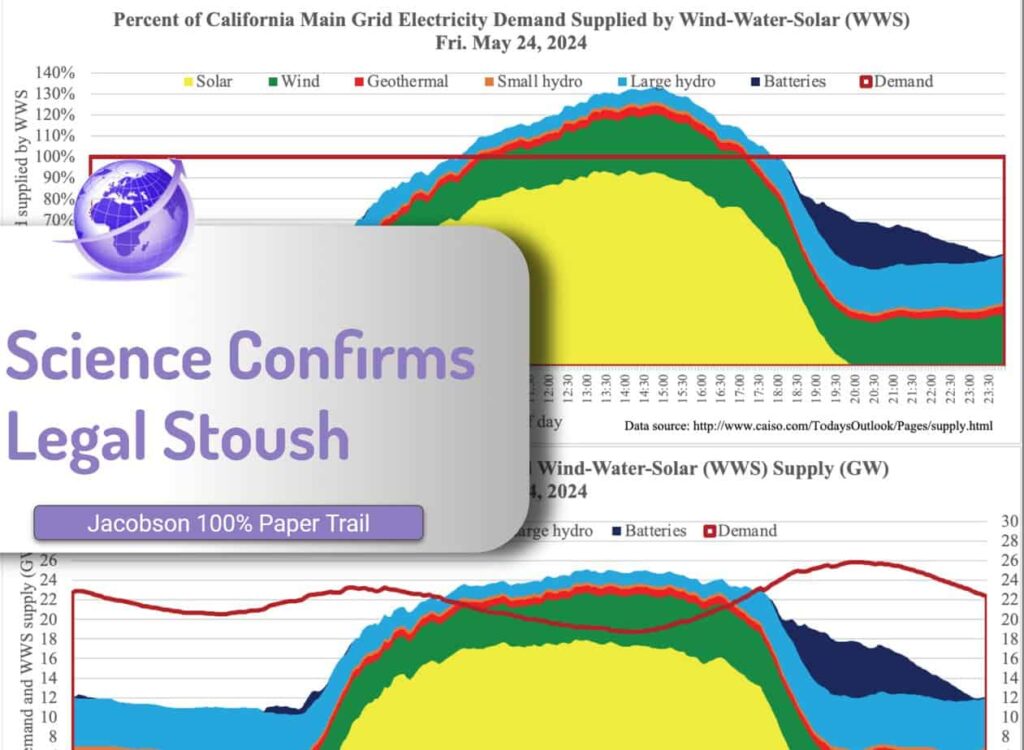
A decade after Prof. Mark Jacobson’s 2015 proposal for 100% renewable energy in 153 countries, significant debates continue. Despite initial challenges and legal disputes, Jacobson defended his model, though some technological predictions, like concentrated solar power, fell short. Notably, California’s renewable energy achievements in 2024 affirm the feasibility and importance of his vision.

advances in thorium nuclear reactor
Nuclear, Renewable Energy

Advances in Thorium Nuclear Reactors

India and China have made considerable progress in developing thorium-based nuclear reactors, recognizing their potential as safer, more sustainable alternatives to uranium reactors. India’s program focuses on the Advanced Heavy Water Reactor using thorium and a small amount of uranium-233, while China’s involves pioneering molten salt technology in the Chinese Thorium Molten Salt Reactor project. Alongside, companies like Copenhagen Atomic are also advancing thorium technology, facing challenges like isotope production and corrosion-resistant materials.

Scroll to Top