
Is Tesla Market Cap Too High
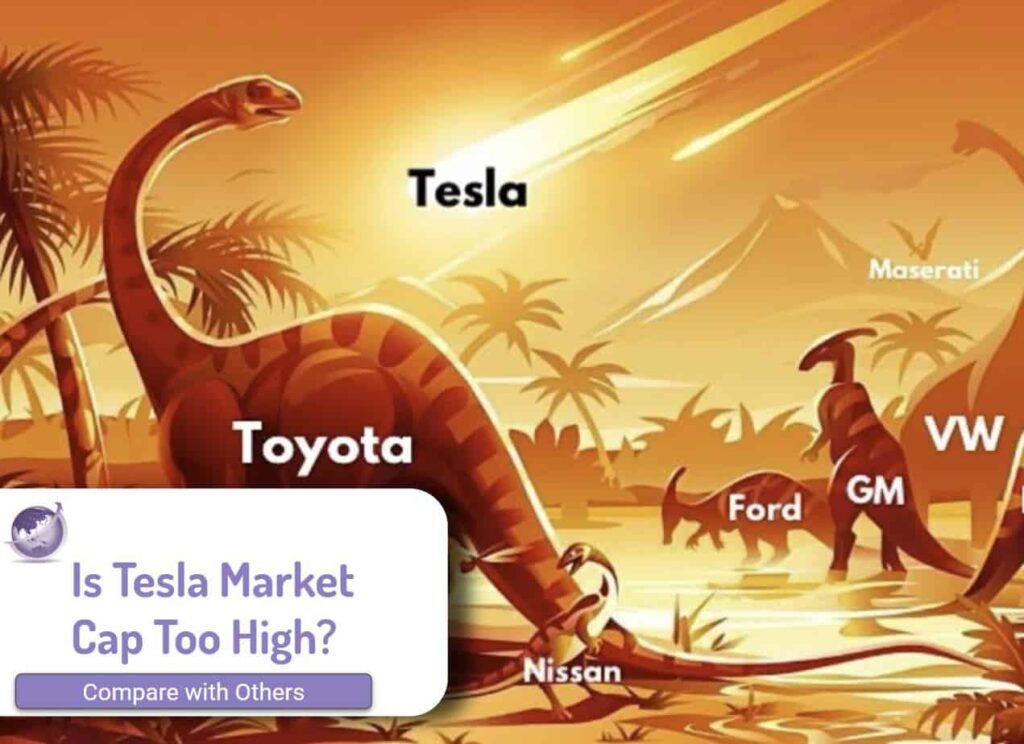
Is Tesla market capitalization too high. Here are just relevant data to suggest that the vale is based on future earnings, 50% YOY growth plans and free cash. Tesla has margins higher than the industry.
Tesla is the company most often at the centre of the electric and autonomous transport story, and this category follows its news. Our posts summarise earnings calls and announcements from 2024, the company’s achievements from 2018 to 2024, analyst predictions, and the debate on whether its market capitalisation is too high. We also test the question of whether legacy automakers can ever catch Tesla.
Technology and products are covered in detail: the 4680 battery and its production ramp, the Cybertruck features that disrupt the vehicle market, Tesla’s Masterplan Three, and the Optimus humanoid robot, which some analysts value in the trillions by 2030. Other posts explore how Tesla makes robotaxis economic and the opportunity in Tesla insurance.
Tesla matters here because it often shows how vertical integration, software and manufacturing scale can change an industry. The posts are not cheerleading: they look at risks, valuations and execution as well as what the company has achieved. They also link to wider themes of batteries, grid storage and autonomous vehicles. If you want to follow Tesla’s progress with an eye on the economics of electrification, start with the latest earnings summaries and work back.
Tesla is the company most often at the centre of the electric and autonomous transport story, and this category follows its news. Our posts summarise earnings calls and announcements from 2024, the company’s achievements from 2018 to 2024, analyst predictions, and the debate on whether its market capitalisation is too high. We also test the question of whether legacy automakers can ever catch Tesla.
Technology and products are covered in detail: the 4680 battery and its production ramp, the Cybertruck features that disrupt the vehicle market, Tesla’s Masterplan Three, and the Optimus humanoid robot, which some analysts value in the trillions by 2030. Other posts explore how Tesla makes robotaxis economic and the opportunity in Tesla insurance.
Tesla matters here because it often shows how vertical integration, software and manufacturing scale can change an industry. The posts are not cheerleading: they look at risks, valuations and execution as well as what the company has achieved. They also link to wider themes of batteries, grid storage and autonomous vehicles. If you want to follow Tesla’s progress with an eye on the economics of electrification, start with the latest earnings summaries and work back.
Is Tesla market capitalization too high. Here are just relevant data to suggest that the vale is based on future earnings, 50% YOY growth plans and free cash. Tesla has margins higher than the industry.

Tesla has established an insurance business, and the value of insurance could be 5 times more than just selling the car by itself. The margin from the insurance business could be bigger than the revenue from full self driving software, face lower barriers to adoption and reduce costs to customers.

Simple napkin maths says that Tesla makes robotaxis economic. In fact the numbers are so high they are just not believable? So what is stopping this? Politics? Technology. The only thing seems to be timing. Will it be this year? 2024?
