

Paraplegics Walking Again
Paraplegics are walking again – not 5 to 10 years away. Research in multiple research and companies are looking to have better brain interfaces which then can interface to voice, vision and mobility.
Artificial intelligence and robots are changing our world, and this category follows the breakthroughs and the consequences. Our posts cover large language models such as ChatGPT and Google’s Bard, AI geometry, custom-designed AI compute chips and Nvidia announcements, and the prediction that electricity for AI will exceed that for transportation. We ask how AI will affect jobs, whether robots will take them, and how AI raises the productivity of knowledge workers.
Robots get their own attention: humanoid robots to watch, Tesla’s Optimus robot and the economic value of humanoid robots, robots for aircraft built with ChatGPT, and the robotic surgery revolution. Other posts show AI speeding up science and health, from drug discovery to living longer, human organoids and helping paraplegics walk again. Another uses AI and bacteria to replace nitrogen fertilizer.
The thread through these posts is that AI is a general-purpose technology, like electricity, which changes many sectors at once and reinforces other disruptions. We look at the benefits and the risks, and at the infrastructure, energy and chips that support them. Read on to see what the technology can do now, what is coming and how to prepare.
Paraplegics are walking again – not 5 to 10 years away. Research in multiple research and companies are looking to have better brain interfaces which then can interface to voice, vision and mobility.

Over 7 robots are in development in the west along with many in China who has stated that AI robots are a major iniative.

The announcment of improved Tesla Optimus humanoid robot in Dec 2023 sho improve mobility and dexterity, enhanced autonomy and intelligence and closer to a manufacturable product.
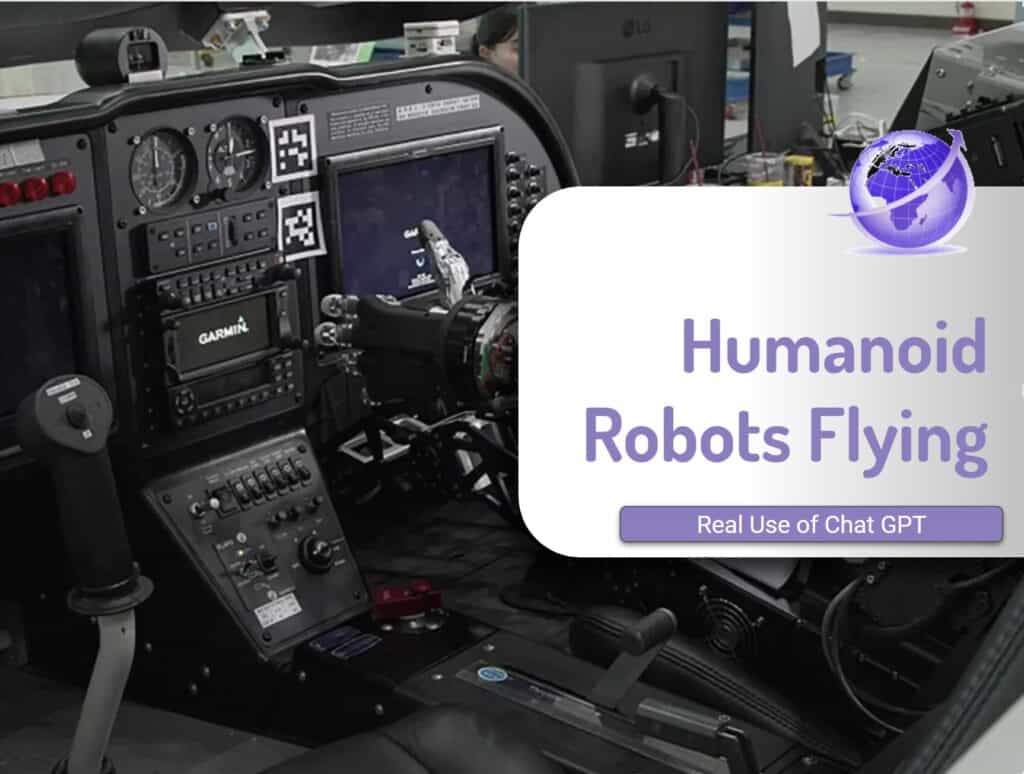
Robotics and large languge models (eg ChatGPT) from Korean researchers are good enough to fly airplanes. Still only in simulators – when will they really fly planes.

Humanoid robots have a huge economic change. With costs of $15,00 and replacing humans at $50,000 per year, how will governents and society adapt to this trasformation.
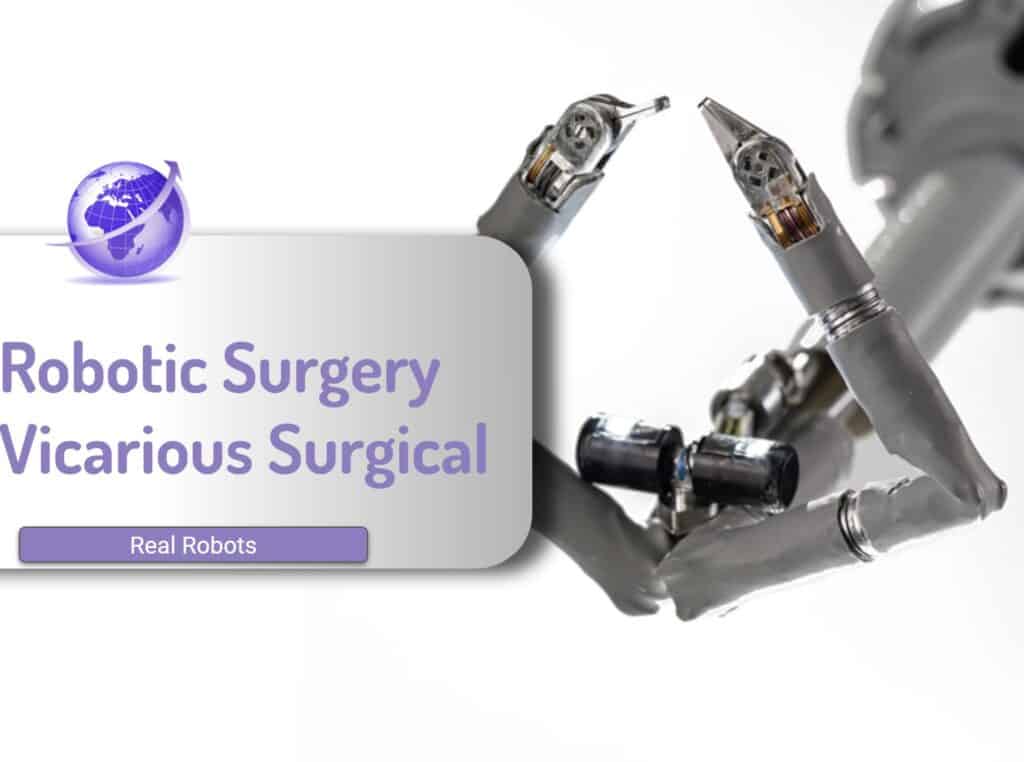
Robotic surgery is saving lives but is a the beginning of the robotic revolution. Vicarious Surgical is planning to use their robot to do surgery from the inside for hernia repair. Surgery is currently 97% manual

The race with AI is continuing to run with Google releasing Bard in May 2023 competing with Microsoft Bing and Open AI ChatGPT4. Bard provides integration with Gmail and Google Docs and enhances programming support
ChatGPT has burst on the scene in late 2022 from OpenAI. It was not unexpected by those in the AI field. Suddenly many are now realising how many areas that LLMs will be valuable in. And how cheap they have become.
AI is expected to lift knowledge worker productivity by 140% by 2030. AI training has decreased by over 65% per year since 2015 and models which cost $5m now would cost $500 by 2030.
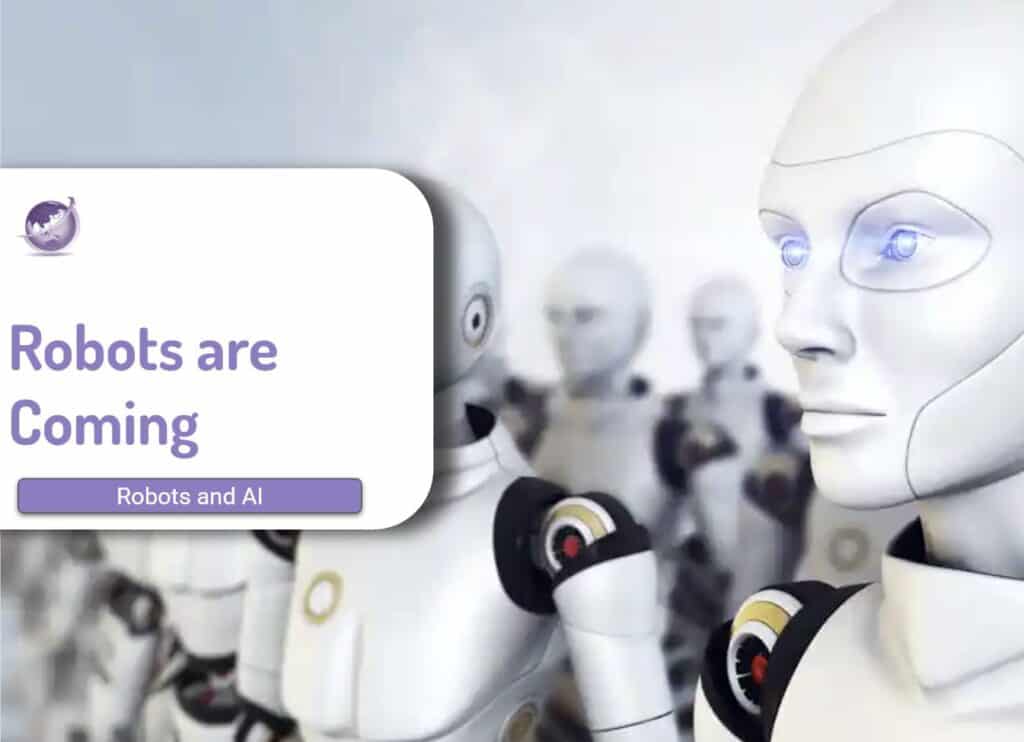
Will robots take our jobs? With AI and increase in functionality the robotic revolution is already taking our jobs and over the next decade most blue collar jobs will go.
Energy on Mondays. The Debunk on Wednesdays. AI, food and health long reads on weekends. Delivered to your inbox.
