
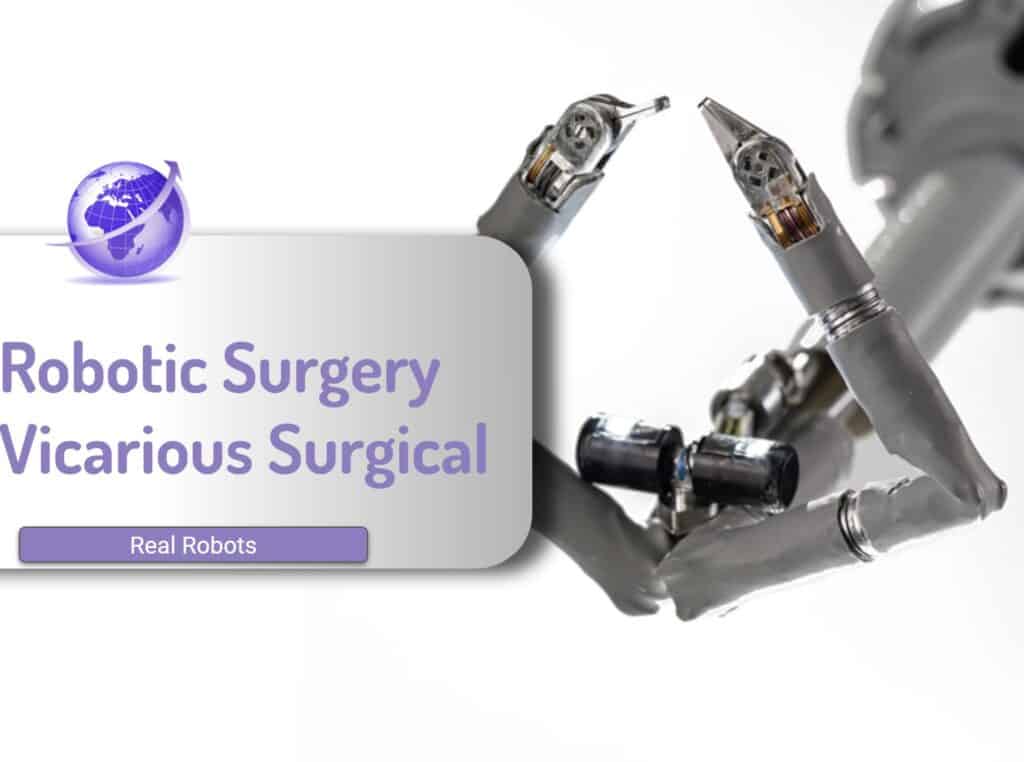
Robotic Surgery Revolution
Robotic surgery is saving lives but is a the beginning of the robotic revolution. Vicarious Surgical is planning to use their robot to do surgery from the inside for hernia repair. Surgery is currently 97% manual
Disruption happens when several technologies converge to make an old system obsolete, and this category explains how it unfolds. Our posts draw on thinkers such as Tony Seba, with his three disruptions and eight technologies, and on Tesla’s Masterplan, and they ask why experts so often get it wrong, from the faster horse fallacy to IEA forecasts that were out by seven times. A recurring pattern is that the new technology looks like a toy, grows exponentially, then takes over quickly.
Energy sits at the centre. Posts describe the shift from baseload to dispatchable electricity, exponential growth in batteries, rapid growth of electric vehicles and the fall in fossil fuel use. They argue for wires, not pipes, and ask whether net zero should aim at 97 or 100 percent. Others look at fossil fuel excess profits and the case for redirecting subsidies worth 2 percent of GDP to net zero.
Disruption reaches beyond energy to food, robotic surgery, e-fuels and active transport, and brings changes to society and growing mistrust in science. Read these articles to learn how to recognise a disruption early, avoid the traps of linear forecasts, and understand why the energy transition may be faster than most predict.
Robotic surgery is saving lives but is a the beginning of the robotic revolution. Vicarious Surgical is planning to use their robot to do surgery from the inside for hernia repair. Surgery is currently 97% manual

Green steel produced by direct reduction is likely to have metallurgical coal become a stranded asset, as cost reductions and increasing technology improvements to make green steel viable.

Transport planners globally talk about active transport challenges to get people out of cars and into active transport (Walking, mobility devices, public transport. Cities have been designed for transport by cars, not for people.

Terraform has announced a pilot solar powered synthetic methane gas process that could provide gas created from CO2 from air and not extraction from the earth.

IEA have consistently under forecast the increase in solar panels (PV) globally by 7,000 times. in 2009, they forecast just 30GW of solar. In 2023 there will be over 440 GW installed. How do they get is so wrong?

The innovative toroid propeller design for drones from MIT and for boats by Sharrow Marine show R&D continues to improve efficiency and will have a major impact on drones and shipping.

Taking an ICE car nad swapping out a motor is the same as saying a butterfly is a caterpillar with wings. It is a computer on wheels.

Faster horse fallacy or why experts get it wrong with disruptive technologies was coined by Tony Seba why smart people in smart organisations fail to recognise disruption

Fossil fuel excess profits of $134b in 2022 are on the back of war and human suffering from climate change. If a carbon price was levied on these oil and gas giants then these losses reflect the cost to citizens and consumers rather than being passed to shareholders

Tesla vision part 3 is to be announced on March 1st, 2023 at Investor Day. How will this differ from Part 1 or Part 2. What is the “Path to a Fully Sustainable World”
