Gas

Natural gas is the world’s third-largest energy source, and demand is still above 4,000 billion cubic metres a year, enough to supply about a quarter of global electricity and heat much of the world’s industry and homes. This category looks at where that gas goes, what it costs the climate, and how fast it can be replaced.

Gas became popular for good reasons. It was cheap, easy to pipe to customers and cleaner than coal at the chimney. It was also promoted as a “bridge fuel” that could cut pollution while renewables matured. That story is now hard to defend. Burning gas still produces greenhouse gas emissions, and about a fifth of energy-related carbon dioxide comes from it. Leaks of methane, a gas many times more potent than CO₂ over 20 years, make the footprint worse.

Here you’ll find analysis of gas use, emissions, subsidies, prices and the economics of switching. Our posts compare gas with solar, wind, batteries, heat pumps and electric appliances, with a focus on Australia, a major gas exporter and user. Whether you are a householder, investor or policy maker, these articles show why electrons are replacing gas faster than most forecasts expected.

Natural gas is the world’s third-largest energy source, and demand is still above 4,000 billion cubic metres a year, enough to supply about a quarter of global electricity and heat much of the world’s industry and homes. This category looks at where that gas goes, what it costs the climate, and how fast it can be replaced.

Gas became popular for good reasons. It was cheap, easy to pipe to customers and cleaner than coal at the chimney. It was also promoted as a “bridge fuel” that could cut pollution while renewables matured. That story is now hard to defend. Burning gas still produces greenhouse gas emissions, and about a fifth of energy-related carbon dioxide comes from it. Leaks of methane, a gas many times more potent than CO₂ over 20 years, make the footprint worse.

Here you’ll find analysis of gas use, emissions, subsidies, prices and the economics of switching. Our posts compare gas with solar, wind, batteries, heat pumps and electric appliances, with a focus on Australia, a major gas exporter and user. Whether you are a householder, investor or policy maker, these articles show why electrons are replacing gas faster than most forecasts expected.
Queensland Gas Companies Pay Zero Tax on 36 billion revenue
Gas

Queensland Gas Companies Pay Zero Tax

Fossil fuel companies like to promote they pay tax and contribute to teh economcy. In 2022 the gas companies contributed zero. Over 15 years of gas production of $36 billion. A casual food service worker pays more tax than these companies, combined.

Stranded gas pipelines in australia
Gas

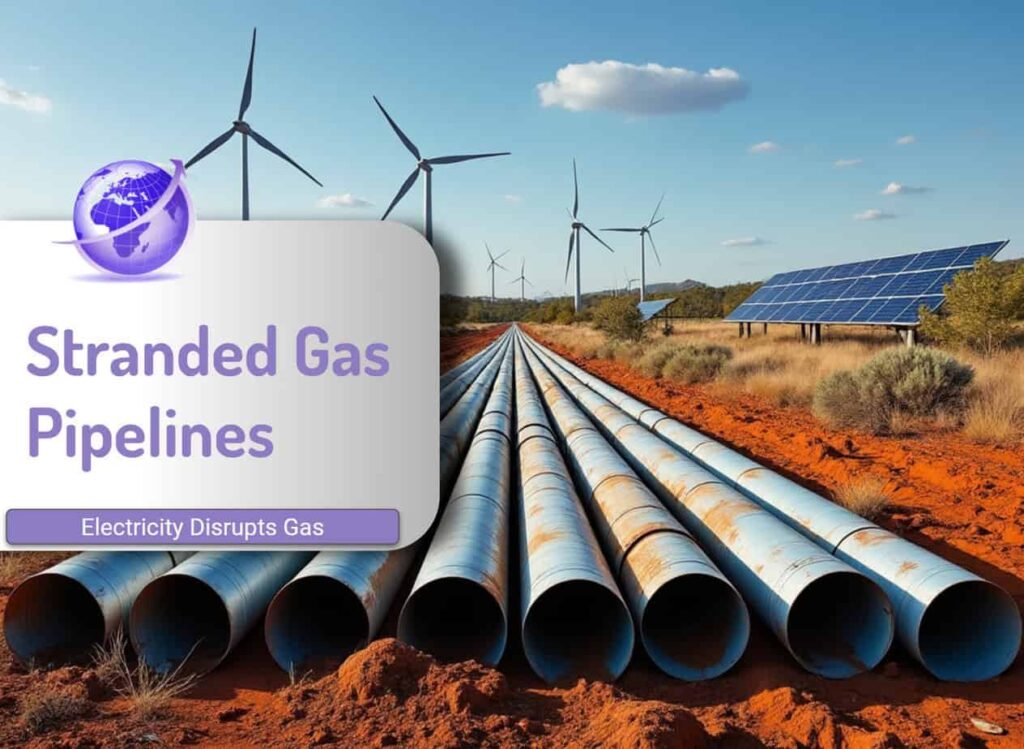
Stranded Gas Assets in Australia

Rapid electrification is forcing gas network companies to seek higher fees by over $200m as they try to protect over $10 billion of stranded assets. As more households switch to electricity, the future of renewable gas remains uncertain. The energy transition challenges policymakers to protect both consumers and gas companies.

japan has a ggas problem
Gas

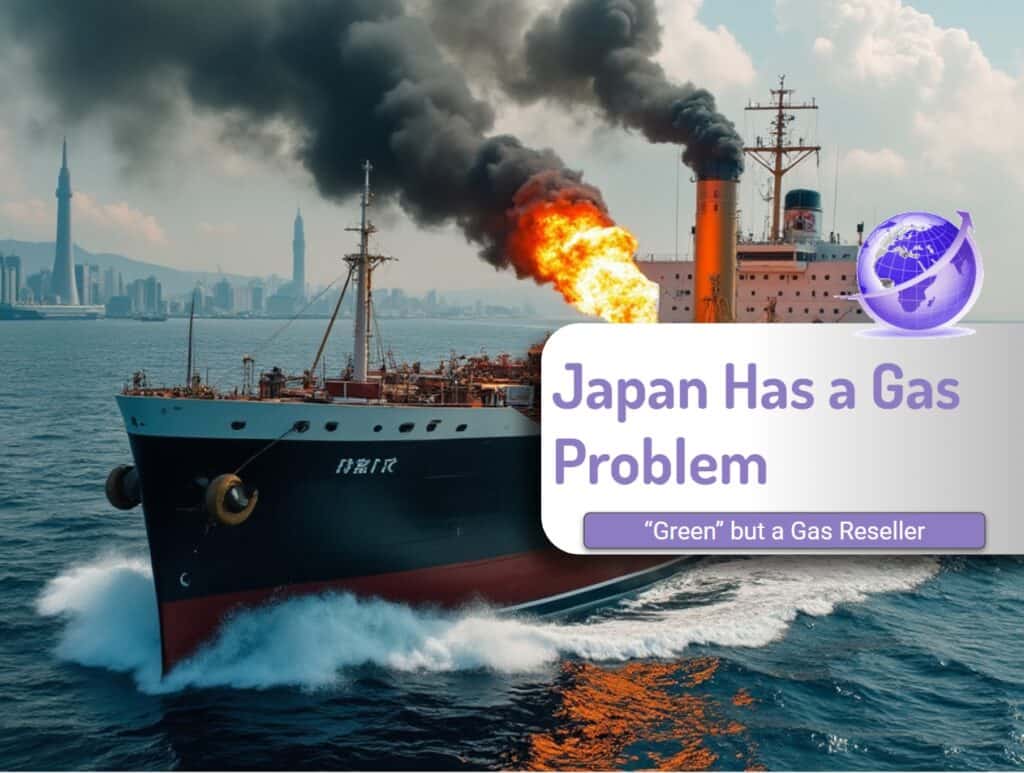
Japan Has a Gas Problem

Japan has over contracted gas from countries such as Australia. With 20% of surplus gas, they are reselling globally. While they have clean energy plans, their greenwashing shows up as still wanting to have their gas.

great gas giveaway
Gas

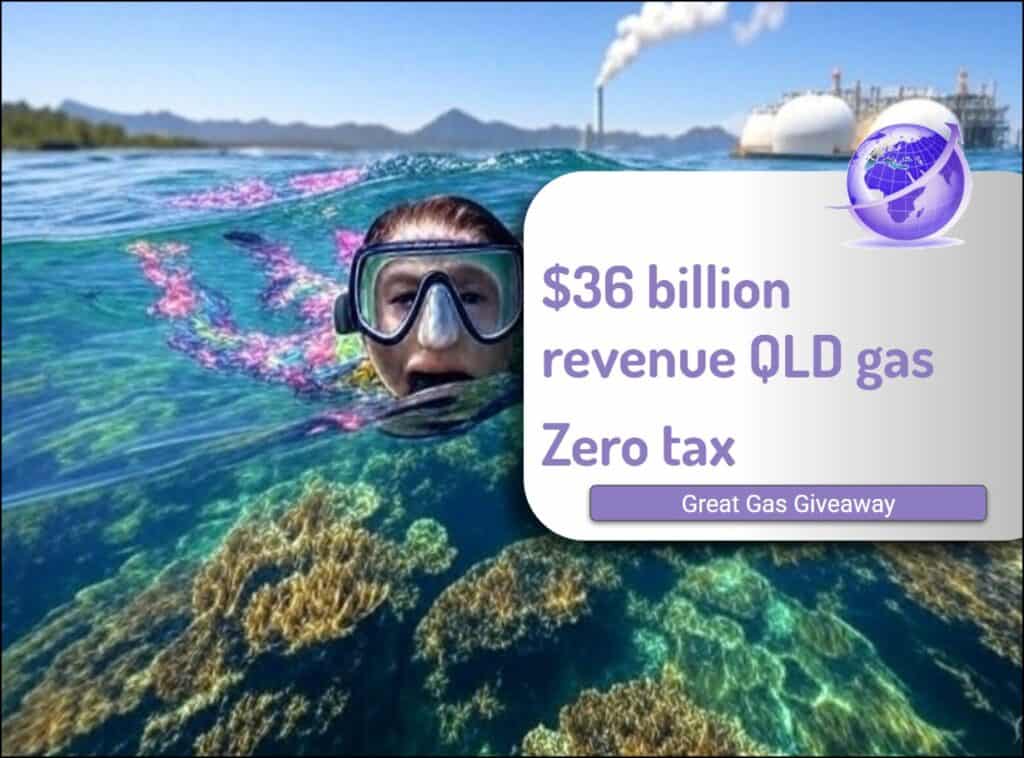
Great Gas Giveaway

Australia’s government subsidizes the fossil fuel industry, emphasizing gas fields in its strategy despite environmental concerns. Critics argue this undermines emissions targets and misses potential royalty revenues. The policy supports export-focused gas development, risking public funds for decommissioning costs while contradicting net-zero ambitions and favoring fossil fuel interests.

Australian gas exports will crash by 2030
Gas

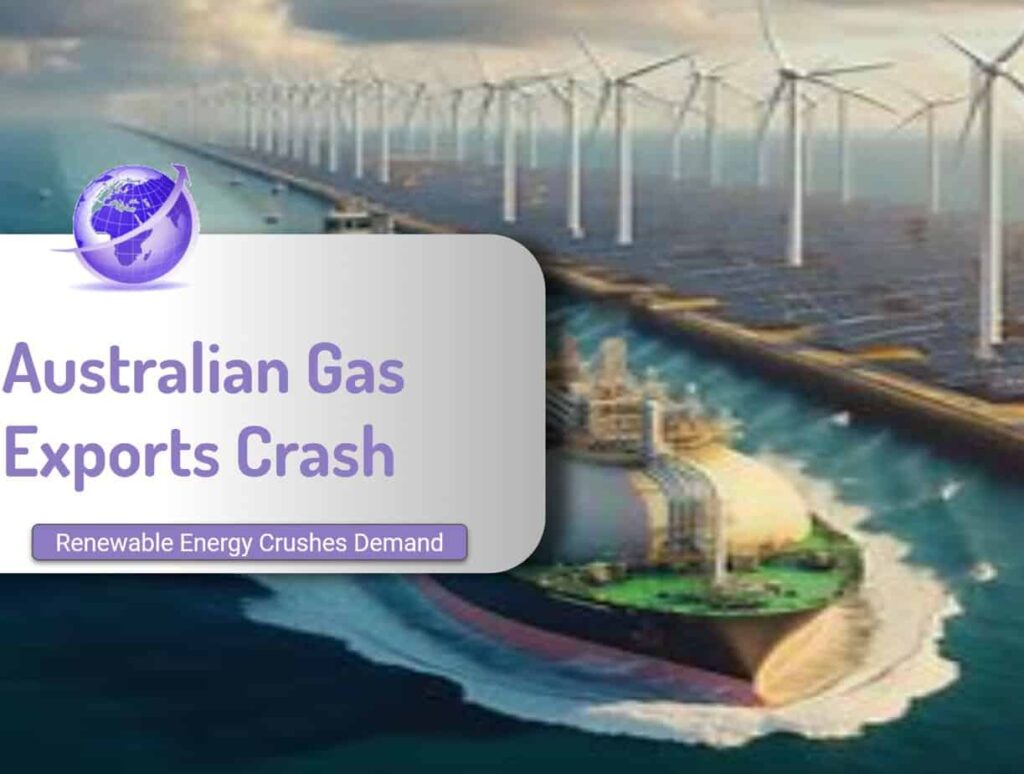
Australian Gas Exports Will Crash

Australia gas strategy emphasizes new gas fields, causing concerns about climate goals due to rising emissions. Australia’s gas exports face a declining future, with major markets reducing demand and increased competition from the USA and Qatar. Thermal batteries may assist in industrial decarbonisation but the biggest threat is all countries are moving rapidly to reduce gas demand. Decommissioning liabilities heighten taxpayer risks.

Germany's Russian Gas Failure
Gas

Germany’s Russian Gas Disaster

Germany made a decision to build a new gasline from Russia – the Nordstream 2 for 11 billion. They could have invested the same in wind power and now save themselves $200 million per day of cost.

Follow the serialisation. Free.

Energy on Mondays. The Debunk on Wednesdays. AI, food and health long reads on weekends. Delivered to your inbox.

Scroll to Top