
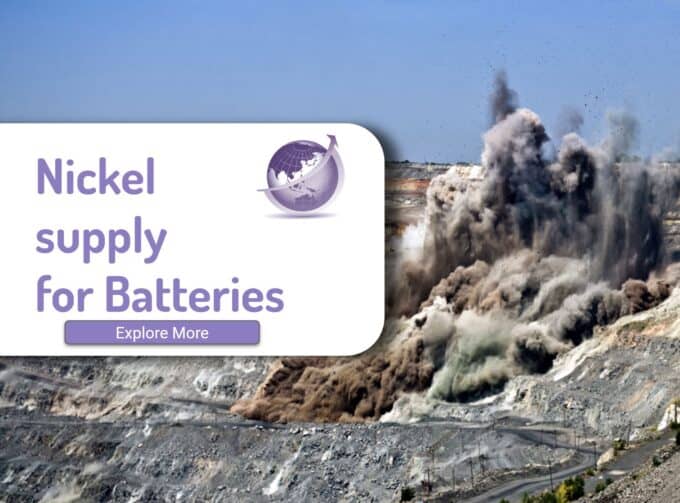
Nickel in Batteries
Nickel is a widely mined mineral, often in conjunction with copper around that world. Primary use is in stainless steel, but EV batteries require substantial amounts of nickel over the next decades.
Renewable energy, batteries and electric vehicles are built from minerals, and this category asks whether the world can supply them. Our posts follow lithium from Chilean brines to direct lithium extraction and demonstration plants that recover it from seawater, and they weigh concerns about shortfalls against evidence that supply can meet demand. We also look at cobalt, nickel, graphite, copper and rare earth elements, and at why changes in battery chemistry can reduce reliance on the scarcest of them.
Minerals are also changing how we make materials. Several posts explore green steel, from molten oxide electrolysis to steel made from aluminium waste, along with green aluminium and the projects led by Fortescue. Others examine deep-sea mining, agromining with plants, and platinum group metals.
The theme running through the category is that mining for a clean energy system is largely a one-off build, while mining coal, oil and gas never ends, because fuel is burnt and gone while metals can be recycled and reused. That is why we expect the number of mines to fall sharply in coming decades, not grow. If you want to understand where the metals for the transition will come from, what they cost, and how recycling and new technology will change the picture, start here.
Nickel is a widely mined mineral, often in conjunction with copper around that world. Primary use is in stainless steel, but EV batteries require substantial amounts of nickel over the next decades.

Graphite is a key component in batteries and is the anode in most commercial batteries today. Sourced from fossil fuels, companies are seeking new carbon zero supply and looking to improve performance and reduce costs.
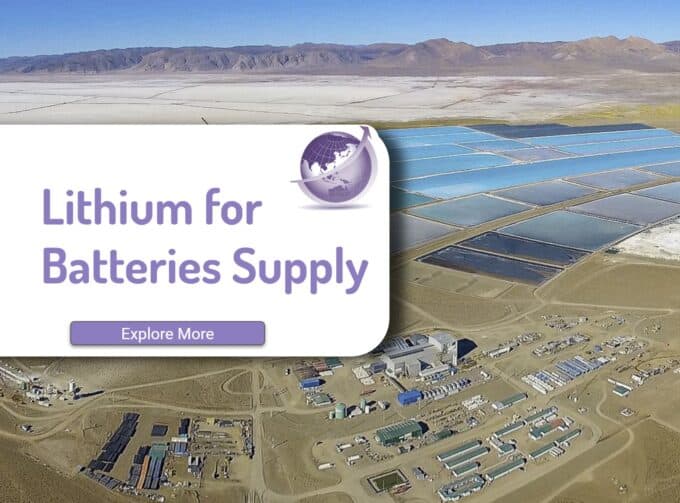
Lithium for batteries is in short supply and getting worse as batteries demand will increase by 30 times over the next decade. Mining supply is costly and slow. What other elements are in short supply.