
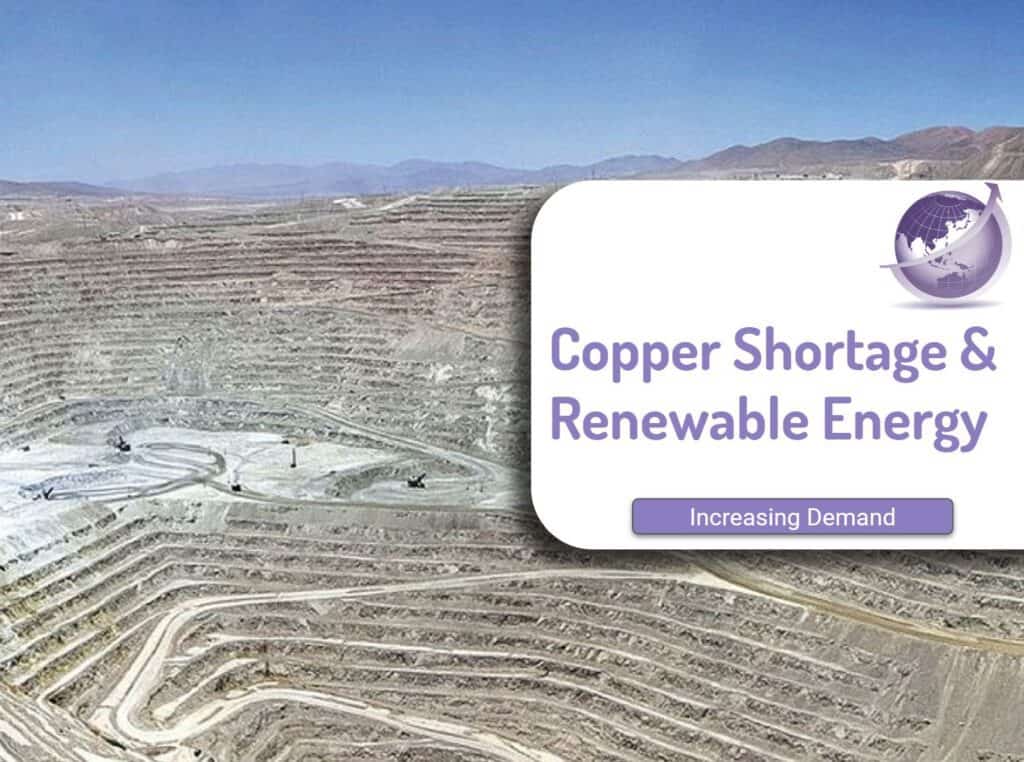
Copper Demand with Renewable Energy Increasing
Copper is widely used whereever electricity needs transportation. From electronics to motors. The change from ICE cars to EVs increases the demand in that sector by 4 times.
Renewable energy, batteries and electric vehicles are built from minerals, and this category asks whether the world can supply them. Our posts follow lithium from Chilean brines to direct lithium extraction and demonstration plants that recover it from seawater, and they weigh concerns about shortfalls against evidence that supply can meet demand. We also look at cobalt, nickel, graphite, copper and rare earth elements, and at why changes in battery chemistry can reduce reliance on the scarcest of them.
Minerals are also changing how we make materials. Several posts explore green steel, from molten oxide electrolysis to steel made from aluminium waste, along with green aluminium and the projects led by Fortescue. Others examine deep-sea mining, agromining with plants, and platinum group metals.
The theme running through the category is that mining for a clean energy system is largely a one-off build, while mining coal, oil and gas never ends, because fuel is burnt and gone while metals can be recycled and reused. That is why we expect the number of mines to fall sharply in coming decades, not grow. If you want to understand where the metals for the transition will come from, what they cost, and how recycling and new technology will change the picture, start here.
Copper is widely used whereever electricity needs transportation. From electronics to motors. The change from ICE cars to EVs increases the demand in that sector by 4 times.
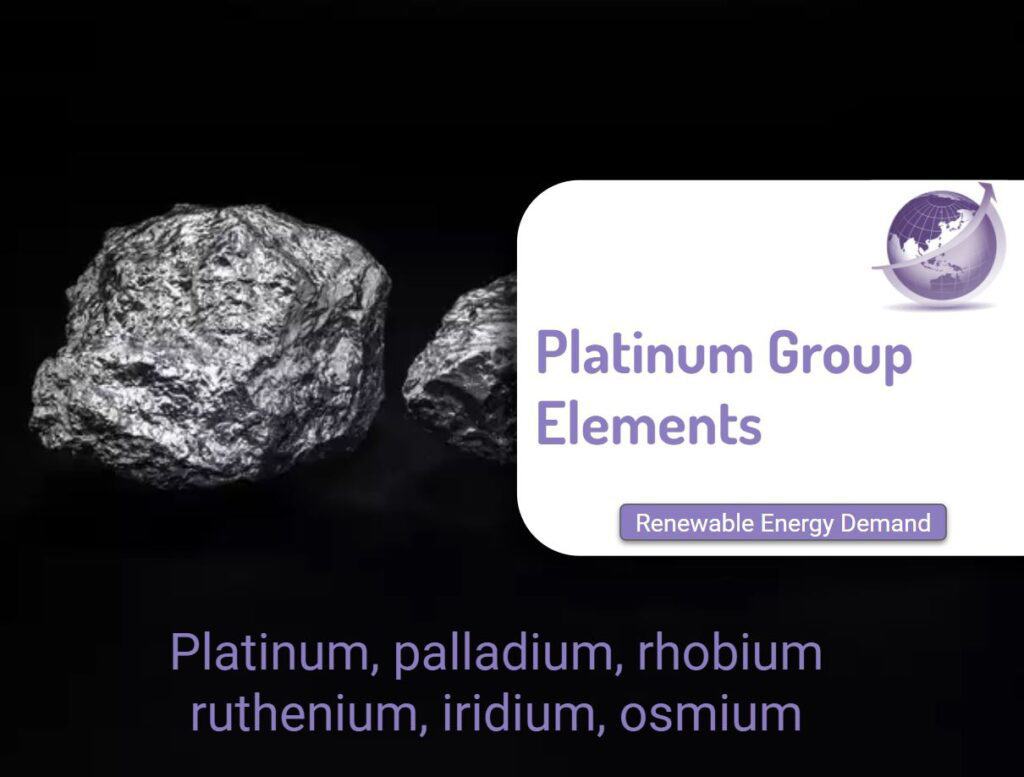
Platium, palladium and other PGM are used in catalytic converters and others are in renewable energy systems. With most of the supply from South Africa and Russian, Australian miners are keen to supply.
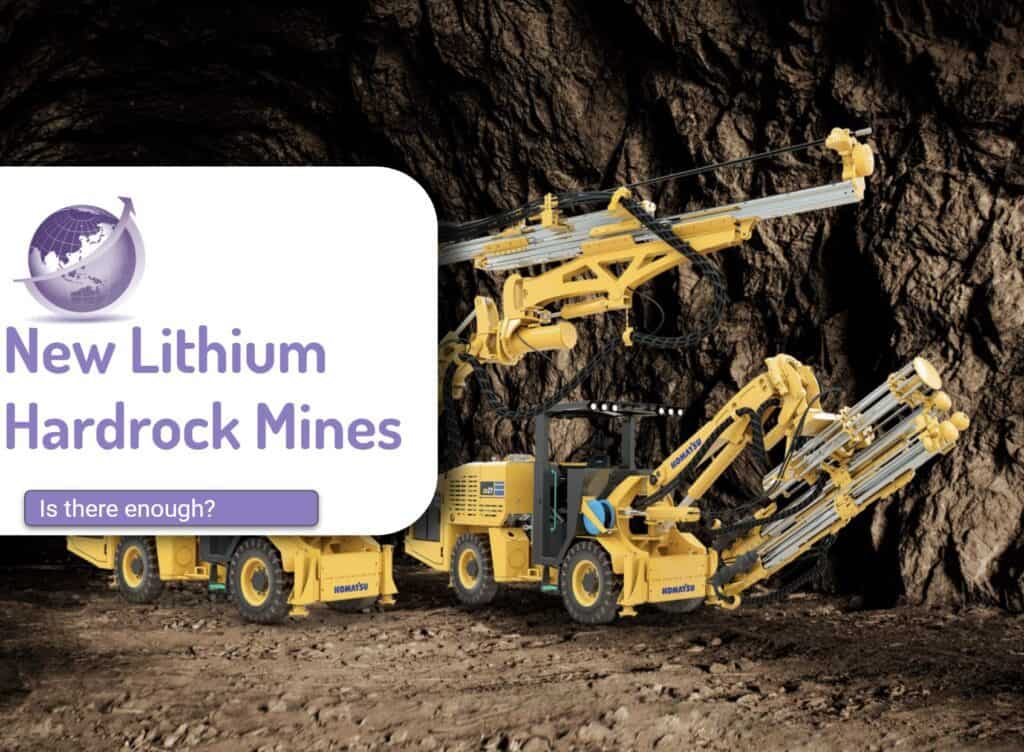
When you dig into the supposed shortfall of lithium for EV and grid energy industry, it is clear that there is enough lithium to meet the demand although it will take time to come on stream.

What is FMG ulitimate goal? To change his low cost iron ore exports to China and turn it into green steel manufactured in Australia and exported globally? The company has been busy setting up deals and purchasing technology.

Direct Lithium extraction (DLE) provides faster extraction of lithium from brines, reduction of costs, increased recovery and opportunity for reduction in energy and carbon inputs.

Lithium from Chile, Argentina and Bolivia makes up 20% of the current supply, with China and Australia the majority of the rest. Intense exploration and extraction is in full swing.

EV production in China is booming with multiple “Gigafactories”, and the battery market is racing to keep up with demand and supply. China will get to 20% of EV new car sales by the end of 2021 4 years ahead of 2025. Six battery companies provide 47% of the global demand for batteres.
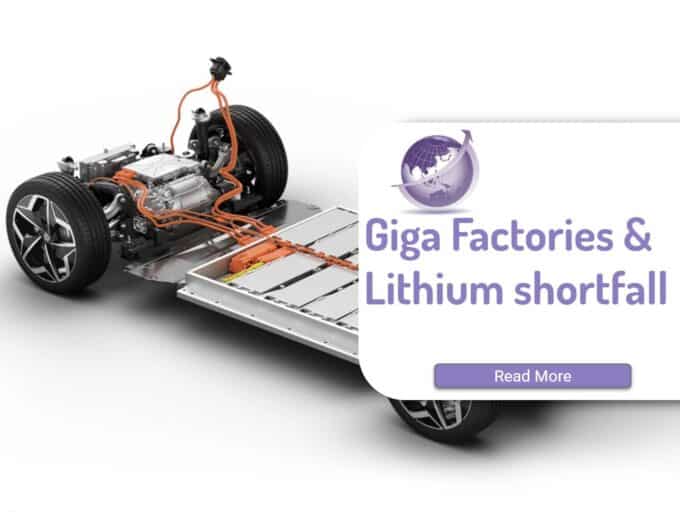
It takes 2 years to build a battery gigafactory. But it takes 7 or more years to develop a mine. While there is plenty of lithium on the planet, it isn’t being extracted and refined quickly enough to keep up with the rapidly growing demand for batteries.

Rare earth elements are a critical part of the renewable energy industry as well as in the past for catalysts and industrial products. We explore what they are, and where they can be found.
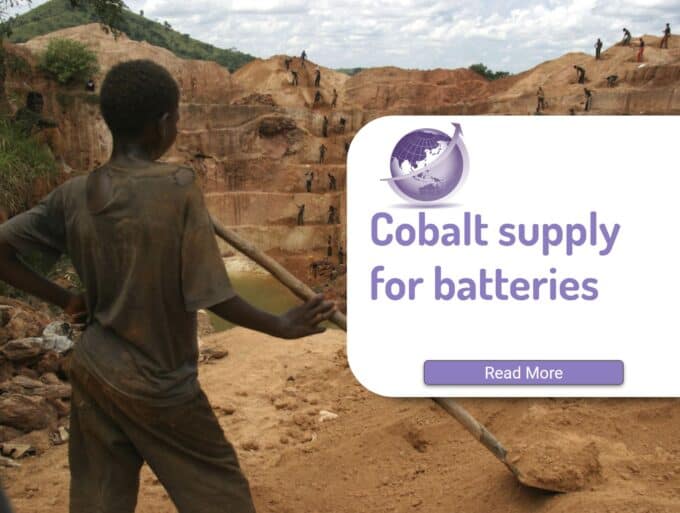
Cobalt is used in Lithium ion nickel batteries as the cathode. Globally, 98% of cobalt is a byproduct of copper […]
Energy on Mondays. The Debunk on Wednesdays. AI, food and health long reads on weekends. Delivered to your inbox.
