

AI Economic Improvement In Knowledge Workers
AI is expected to lift knowledge worker productivity by 140% by 2030. AI training has decreased by over 65% per year since 2015 and models which cost $5m now would cost $500 by 2030.
AI is expected to lift knowledge worker productivity by 140% by 2030. AI training has decreased by over 65% per year since 2015 and models which cost $5m now would cost $500 by 2030.
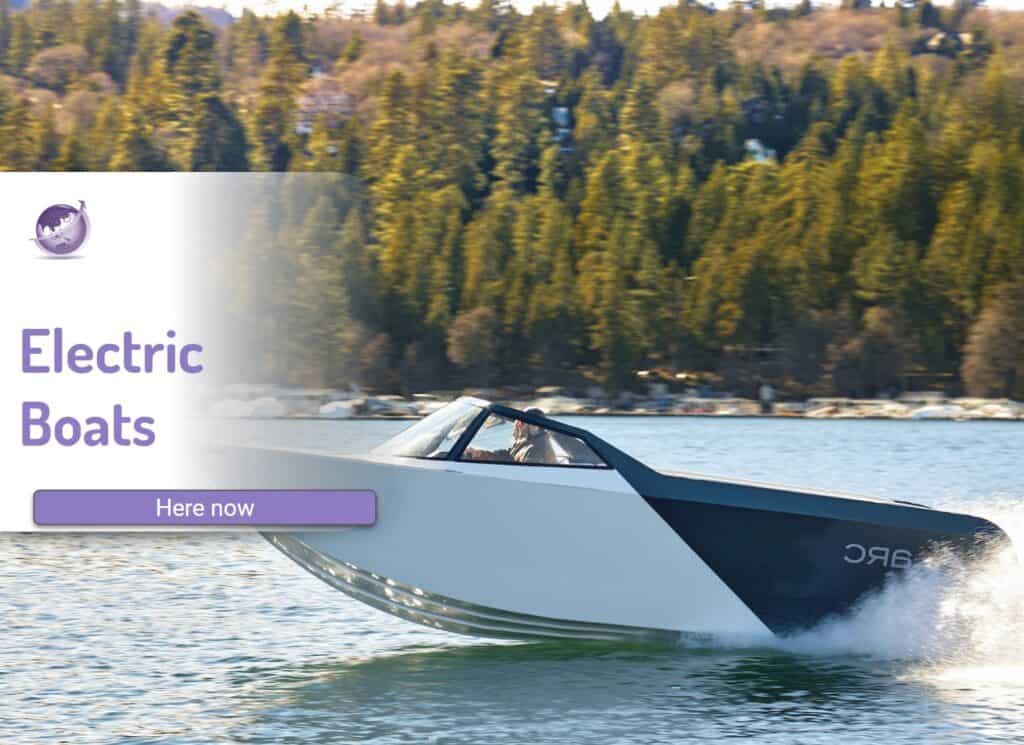
Electri motors make sense for propulsion on the water – and Torqueedo is the global leader in electric boats. Battery weight and energy storage has limited the more widespread adoption, but with major personal sportscraft Bombideer bringing out models by 2026 expect to see more
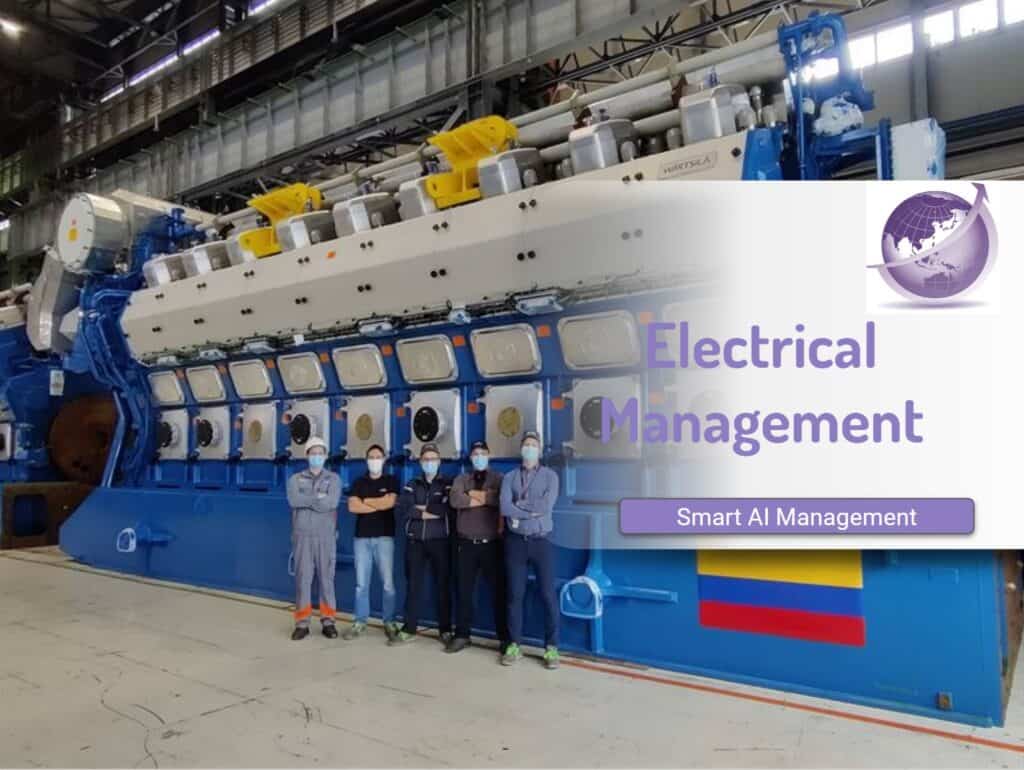
Electrical management systems have evolved from their large diesel engine power plant buinsess. They have flexible energ

Thin film solar ought to be a third of the cost of conventional PV panels and as low as 5 to 7 cents per Watt. 20 years in development and recently invested in by FFI from Fortescue Minerals Group.
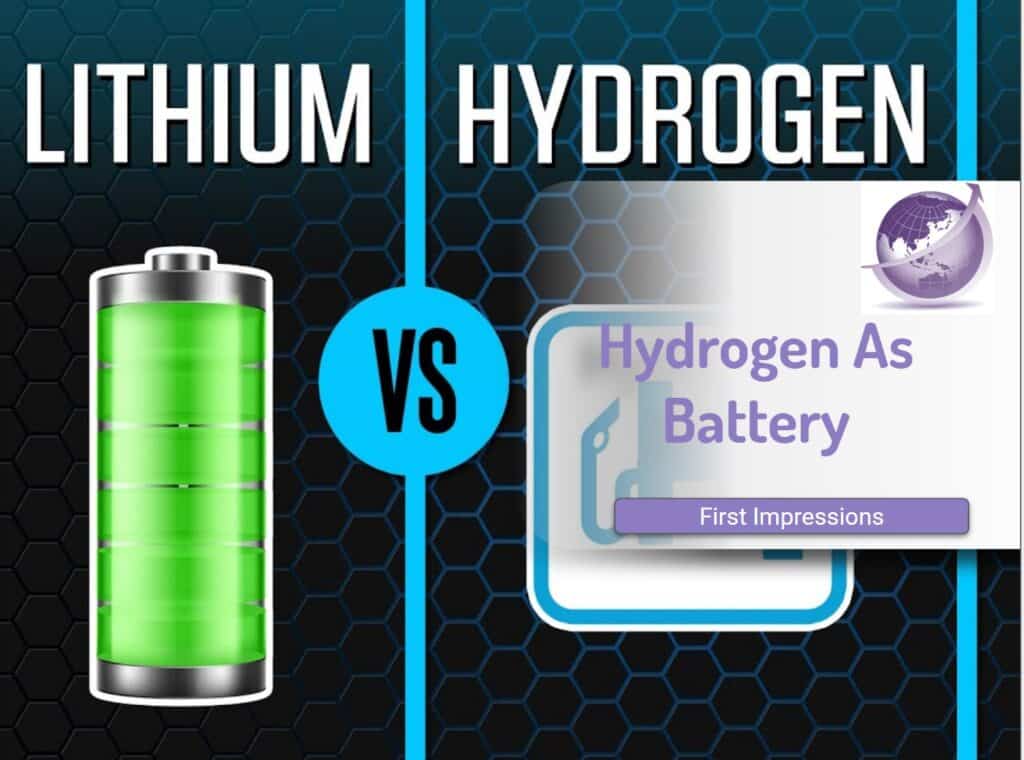
The cost of hydrogen is a key metric if hydrogen can be used as long term storage in the energy supply mix to overcome long durations of lack of sun or wind for renewable energy generation

Wind turbines do kill birds but are not the bird shredders especailly of rare birds such as raptors (eagles, kites). Painting one of the blades black reduced raptor / eagle deaths by over 70%.
Feral cats remain the most lethal risk to birds.

A major global disruption will be the exit of coal from thermal electricity generations. Much coal is consumed within the country, but the 6 major exporters of coal will be impacted the most. New mines will not replace the loss of existing coal mines.

The EU commission has voted to ban sales of all internal Combustion engines in cars buses trucks motorcycles by 2035 to achieve the carbon emissions reduction by 55% by 2030 from 1990 levels.
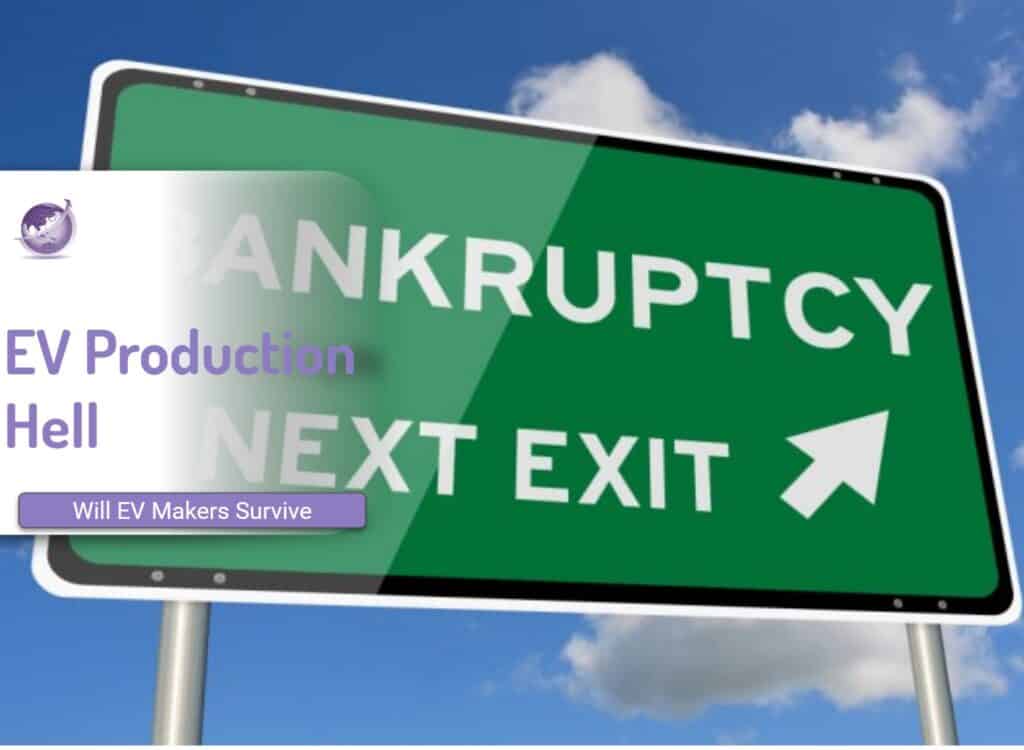
Tesla and Ford are the only 2 american car companies that have not gone bankrupt. A number of aspiring EV companies at high financial risk as they move from protoptype to production hell.

China has invested heavily in coal for electricity over the past 30 years but has made the switch to renewable energy and targets all new energy from renewable sources by 2025 and net zero by 2060.

Nuclear power is subsidized in most countries by billions of dollars, and ultimately consumers pay for this in small amounts in their power bills. All countries pay nuclear subsidies, often due to the use of nuclear power to create their own nuclear weapons.

Precision fermentation will see a collapse in the existing farming systems. With protein and fat made in fermentation vats, 90% of agriculture will cease. Regeneis of the vast areas of agriculture can regenerate.

An image can say a thousand words – and facts and figures won’t sway a climate denier or climate delayer. But humour may do. Lets see

We have burnt rocks for a million years and every year we burn 500 years of the products of the carbonaceas period as fossil fuel. Renewable energy is not fuel. It harnesses energy from the nuclear sun. Batteries can store it. RE stops energy poverty.
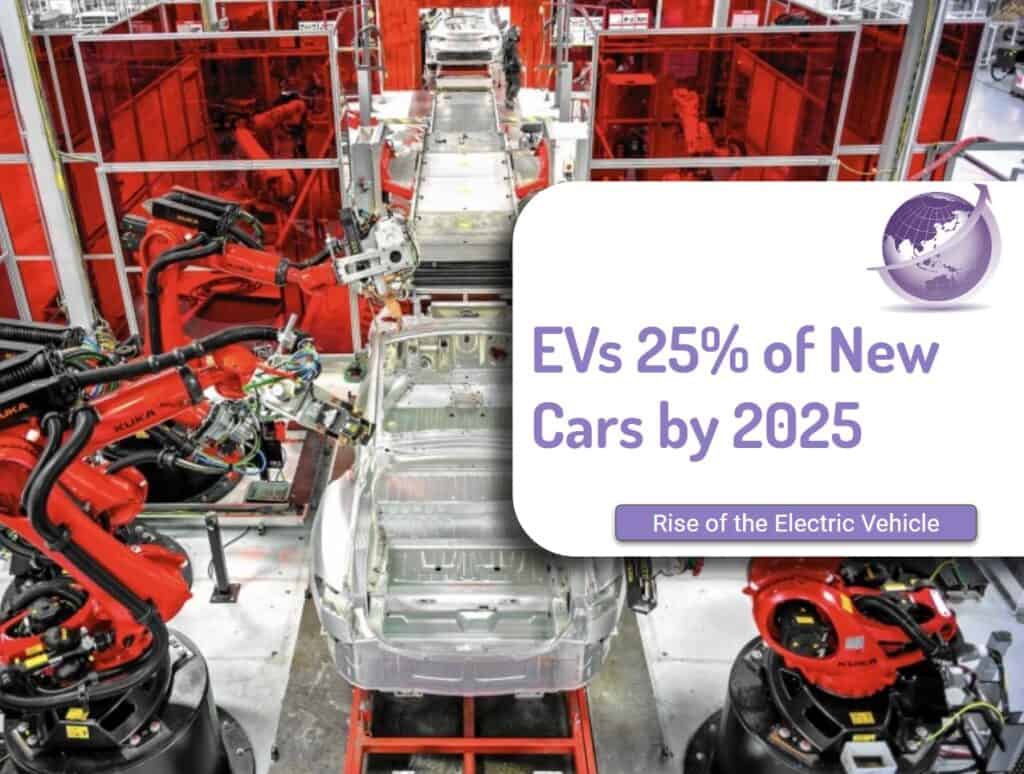
Electric vehicles are displacing conventional ICE vehicles and by 2025 Bloomberg NEF predicts 1 in 4 new cars will be electric. EVs have already displaced 1.5 million barrels of oil per day. Peak oil for transport will be by 2027.

The 5 signs of climate deniers or climagte delayers. The arguments may appear reasonable but they are generally anonymous, selective, persistent diversionary and irrational. Spot them easily.

The development of multiple streams of technology leads to disruption of an industry or society. What can be done to ensure that disruption provides value to all, and not just a few.

Backup generators have been used for conventional grid supplied electricity and are now moving to include batteries and solar to ensure households and businesses can keep operating even in extended blackout conditions.
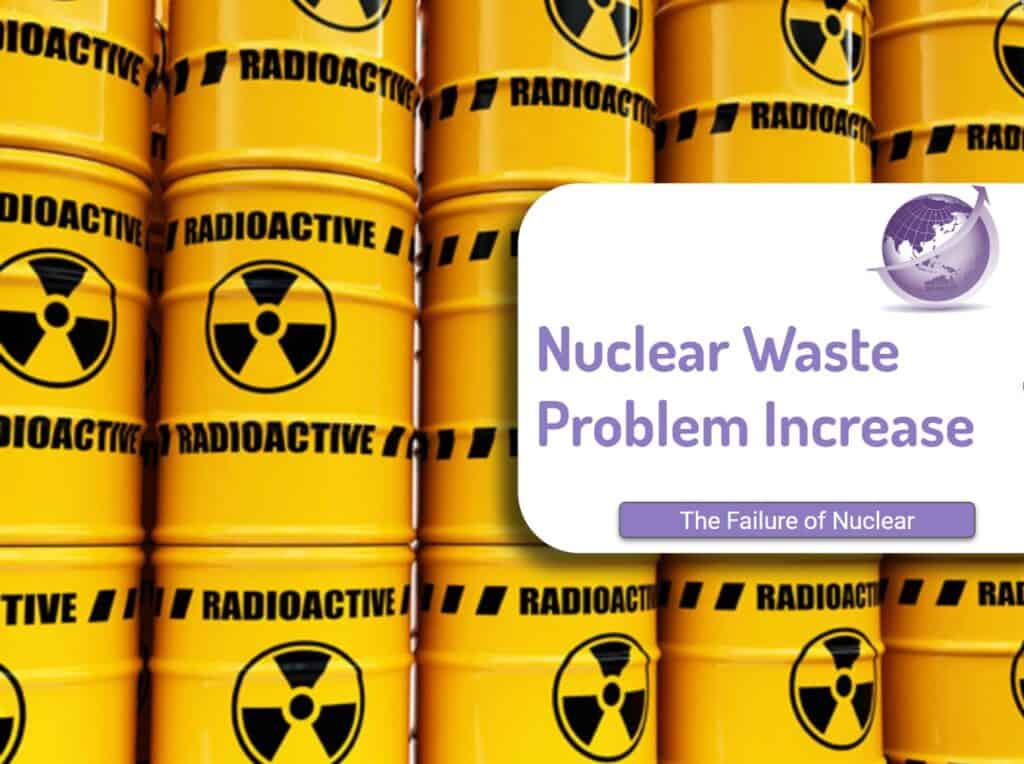
Waste from nuclear power plants is about 2kg per person per year. Small nuclear reactors, often promoted as a solution have 2 to 10 times that of conventional. Only Iceland has managed to develop a solution and billions are spent each year by all nuclear powers.
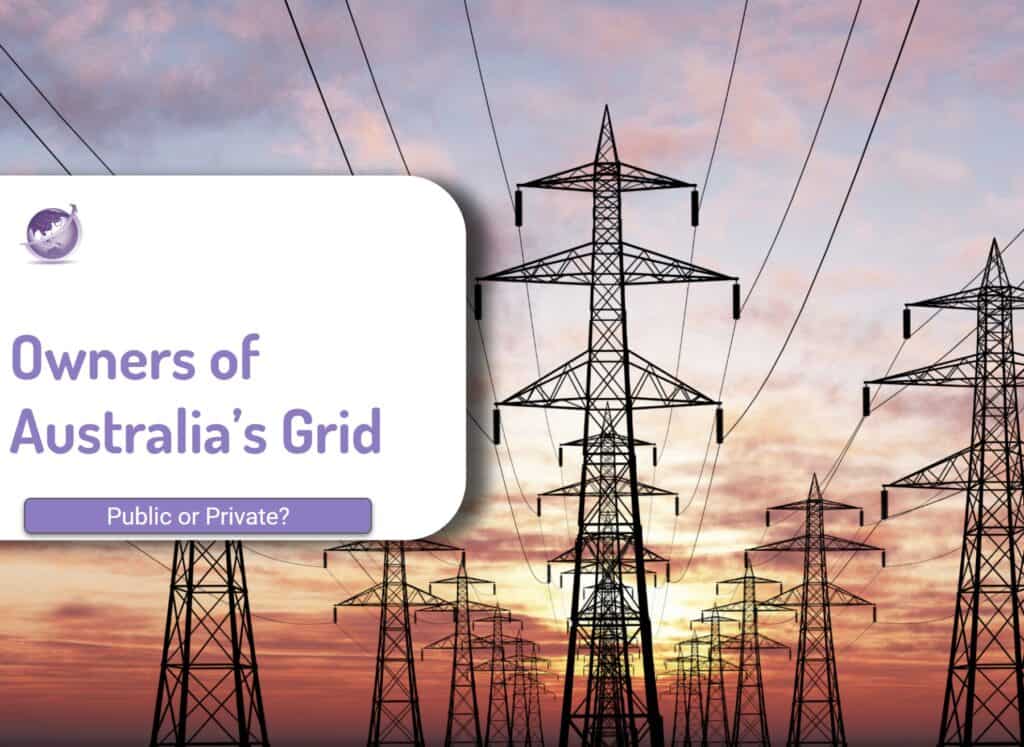
An improved electricity distributon network will be needed to transport energy from renewable energy generators (solar and wind) to cities and factories. Who owns the existing network? What improvements are needed.