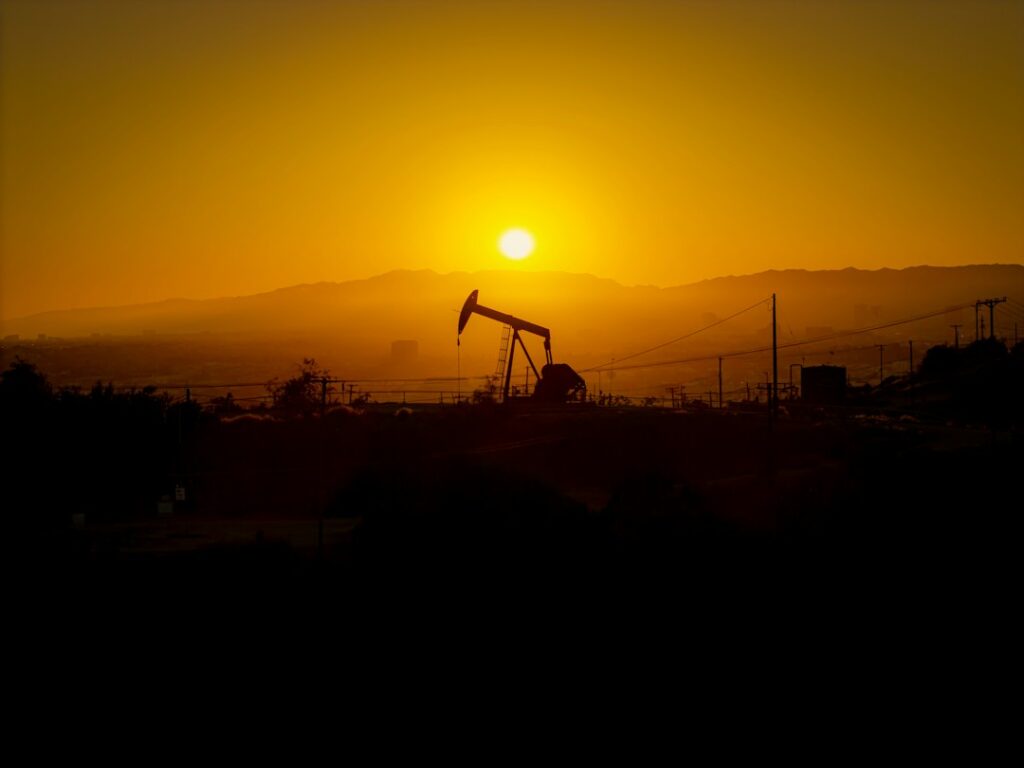
Almost no one knows that an oil well lasts, on average, only about 15 years. Only with heavy maintenance can it stretch to 25–30 years. In Colorado, state data put the average well lifespan at just 12 years, with some basins as low as eight. Every well that runs dry must be replaced by another, and another.
Meanwhile, people whine about solar panels. Yet a panel has no moving parts and needs almost no maintenance. It will run for at least 30 years, and well-made panels can keep producing for 50–60 years, with output easing by only around half a percent a year. Standard warranties cover 25 years, but real-world performance routinely goes well beyond them.
Then there is the end of life. A worn-out oil field leaves behind steel, concrete and wells that must be plugged, with the sites rehabilitated. A solar panel is mostly glass, aluminium, copper, silver and silicon, all of it recoverable. Industry trials show 80–95% of a panel’s mass can be recovered, and recyclers are now targeting 95% or more.
Think about what each one delivers. An oil well is a depleting treadmill: the fuel is burned once, gone forever, and new wells must be drilled to keep supply going. A solar panel harvests a free, renewable flow of sunshine for decades, then hands its materials back to make new panels. One is a wasting asset, the other a durable one.
To be fair, recycling capacity still needs to scale, and too many retired panels end up in landfill simply because dumping is cheaper. That is an economics and policy problem with a clear solution, not a flaw in the technology. So next time someone complains about solar panels, ask them how long their oil well will last.
References
- Colorado Public Radio (2015), In Colorado, what’s the lifespan of an oil and gas well?
- Earth911 (June 2026), Recycling Solar Panels in 2026: Investments Paying Off
- Elec Training, Are Solar Panels the Next Big Thing in Recycling?