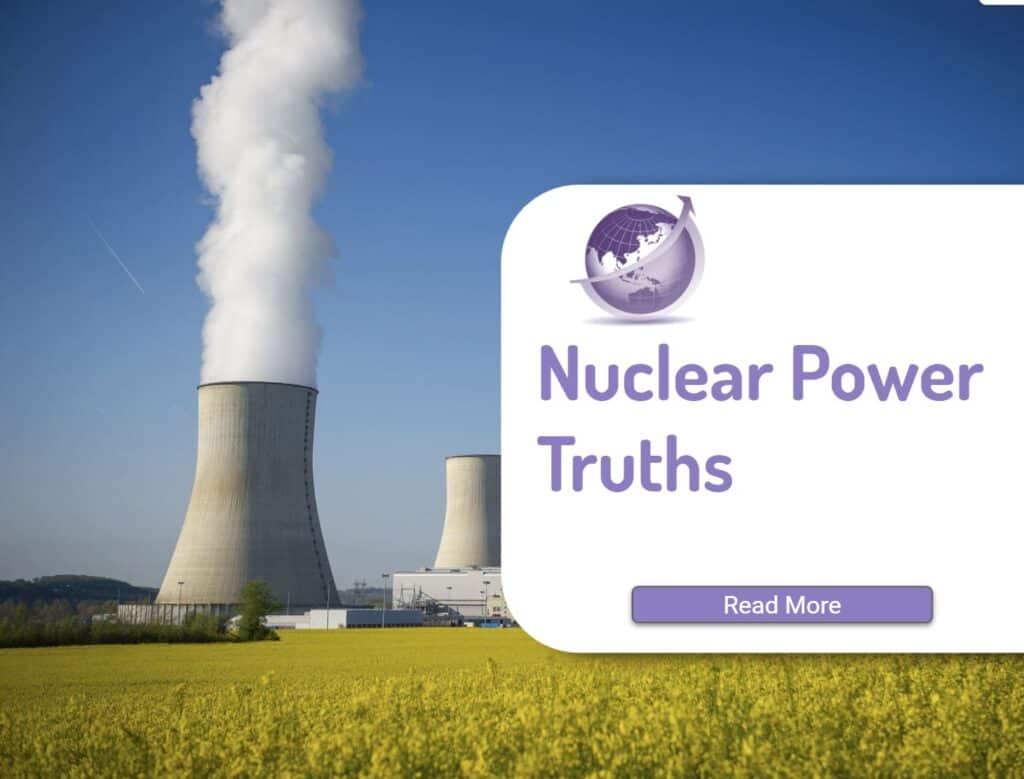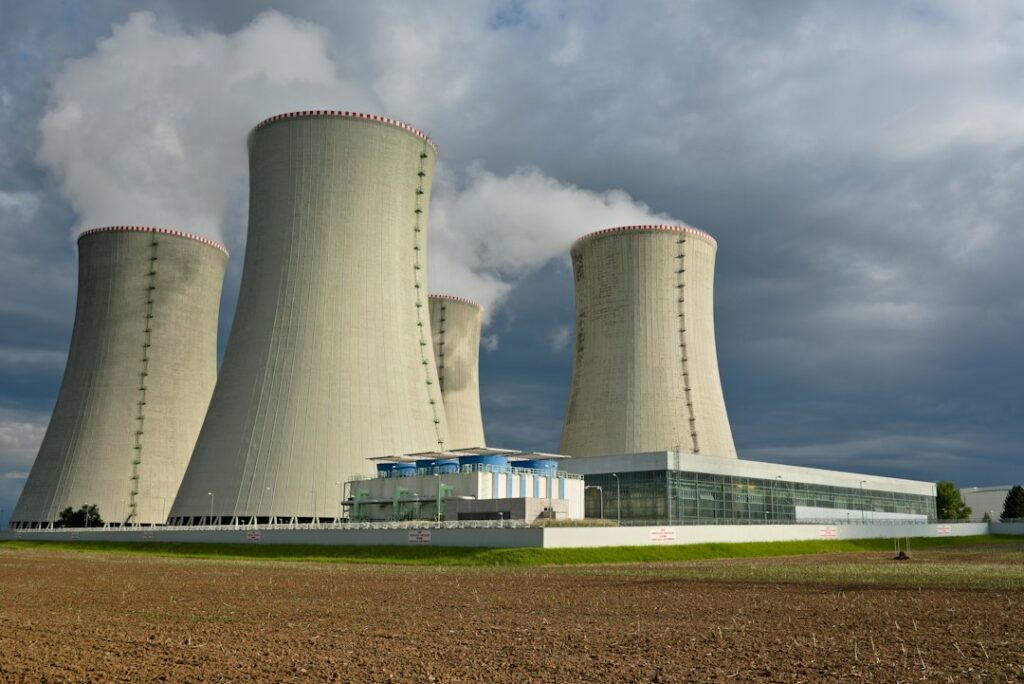
The 2026 World Nuclear Industry Status Report (WNISR) runs to 596 pages and tells a familiar story. On 1 July 2026, 411 reactors were operating in 31 countries – three more than a year earlier, but 27 short of the 2002 peak of 438. Capacity reached a record 375 GW, yet nuclear’s share of global electricity fell to 8.8% in 2025, its lowest in nearly half a century and half the 1996 peak of 17.5%. Over 18 months, startups and closures netted out to one reactor fewer. That is not a renaissance; it is stagnation with good press. It is also an irony lost on Australia’s Coalition, which took seven reactors to the 2025 election and now promises to lift the nuclear ban within 30 days of taking office, and on One Nation, whose leader says reactors “need to happen” and whose Victorian wing pledges to repeal that state’s ban. Both back a technology the evidence shows is going nowhere, while trying to slow solar, wind and batteries, which are adding capacity at a pace nuclear cannot approach.
| 2025 | Nuclear | Renewables |
|---|---|---|
| New capacity added | 1.5 GW | 693 GW |
| Investment | US$35.6 billion | US$690 billion |
| Electricity generated | 2,703 TWh | Solar and wind alone: about twice nuclear |
Reactors are also slow. The 16 connected to grids in 2023–2025 averaged 10.9 years from construction start to grid connection, and the operating fleet now averages 32.9 years of age. Meanwhile grid-scale battery capacity grew 79% in 2025, to just over 263 GW, making variable renewables easier to use every year.
Russian nuclear
Russia is the dominant reactor exporter, with 29 reactors under construction as of mid-2026: seven at home and 22 in nine other countries. All four countries building their first reactor – Bangladesh, Egypt, Türkiye and Uzbekistan – have Russian builders. Outside Rosatom, only EDF, CNNC and GE Vernova Hitachi are building abroad, four reactors in total against Russia’s 22. Sanctions since the 2022 invasion of Ukraine have delayed some projects.
Between 2020 and 2025, every construction start in the world except one in South Korea was by Chinese or Russian industry. Western reactor exporting has all but vanished; what remains is as much geopolitics as electricity.
Chinese nuclear
China is the only country with a genuine nuclear expansion programme. It hosts 37 of the 73 reactors under construction worldwide and nine of the 12 construction starts in 2025. Of 104 reactor startups globally from 2006 to 2025, 53 were Chinese, with no Chinese closures. Outside China, the fleet shrank by a net 55 reactors (30.7 GW) over those 20 years.
Yet even in China renewables are galloping ahead. In 2025, wind and solar together generated nearly five times as much electricity as nuclear, and solar grew 40% in a single year.
| China | 2025 generation | Growth in output since 2010 |
|---|---|---|
| Solar | 1,162 TWh | Over 1,000 times |
| Wind | 1,117 TWh | 23 times |
| Nuclear | 461 TWh | 6.5 times |
AUKUS: UK and US nuclear
Australia’s AUKUS partners are the ones with civil reactors to maintain, and their fleets are old. Unless further life extensions are granted, the UK will be down to one operating reactor by the end of the decade. In the US the mean reactor age of 44.7 years already exceeds the 44.2-year average at which reactors closed worldwide between 2021 and 2025. In the UK, renewables supply 52% of electricity and nuclear 12%; in 2025, US solar and wind combined out-generated nuclear for the first time.
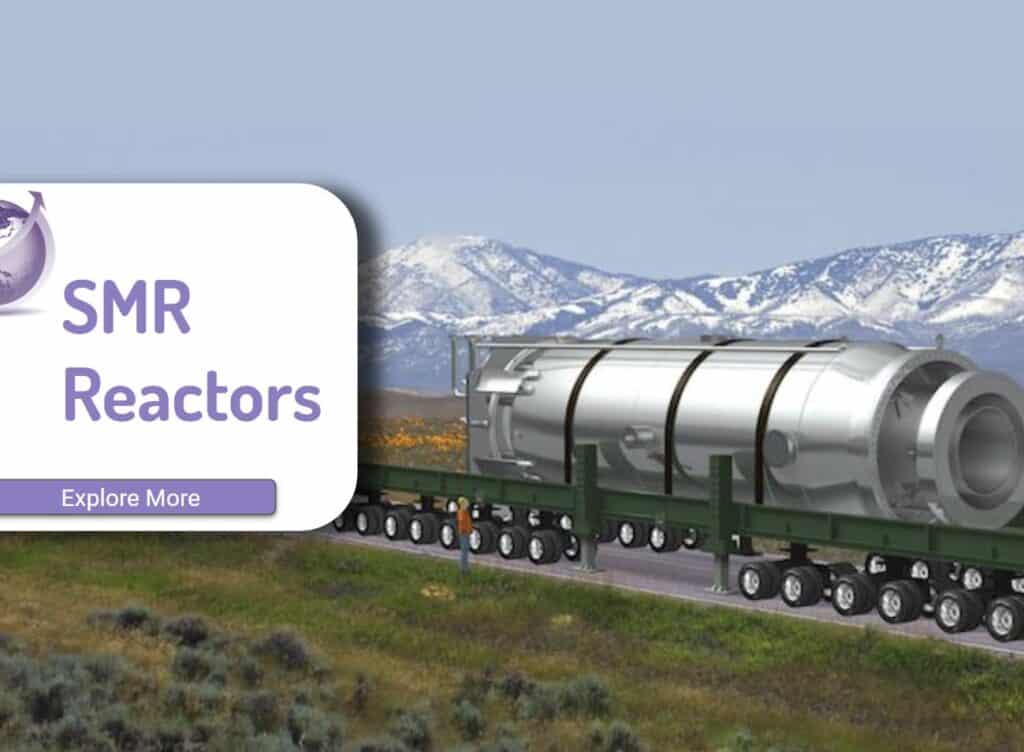
Small modular reactors are no rescue. On the standard definition (factory-built modules under 300 MW), none exist and none are under construction anywhere. On a looser definition, two operate – one in China, one in Russia – totalling about 0.2 GW, roughly what the world’s renewables add in a few hours.
The AUKUS submarine programme is a separate naval-reactor matter, but it leans on the same thin nuclear workforce and supply chain; industry sources at Undersea Defence Technology 2026 flagged workforce constraints in UK and Australian supply chains as the next critical path. Scott Morrison said in 2021 that AUKUS does not require Australia to build a civil nuclear industry. On these numbers, nobody should be tempted to.
References
- Jim Green, Nuclear power’s quarter-century of stagnation has no end in sight, and has been overtaken by solar PV, RenewEconomy, 1 October 2026
- World Nuclear Industry Status Report 2026
- Visiongain, UDT 2026: What Matters Now and What it Means for AUKUS
- Jim Green, Cold turkeys: The demise of nuclear power in Australia’s AUKUS partner countries, RenewEconomy
- “Dumb and desperate:” Coalition panned after vowing to scrap renewable, EV and climate policies, RenewEconomy (the Coalition’s eight-point energy plan, including lifting the nuclear ban)
- Nuclear policy fate still unclear after coalition talks, AAP (the Coalition’s 2025 election policy of seven reactors)
- One Nation promises to build new coal plants and sweat old ones in energy policy pitch to state voters, RenewEconomy (Hanson’s call for reactors and One Nation’s pledge to repeal Victoria’s nuclear ban)