

Sustainable Aviation Fuels Unrealistic
SAF or Sustainable Aircraft fuels are unrealistic. Used cooking oils are as expensive. Agriculture is challenges. Synthetic fuel is expensive. What are some of the options
SAF or Sustainable Aircraft fuels are unrealistic. Used cooking oils are as expensive. Agriculture is challenges. Synthetic fuel is expensive. What are some of the options

Electric motor scooter uptake is rapid in China and India and expected t be as rapid in other countries with high numbers of scooters such as Indonesia and Vietnam. Cheaper. Easy to charge and zero emissions are reasons Govt are keen to see the change.

Faster horse fallacy or why experts get it wrong with disruptive technologies was coined by Tony Seba why smart people in smart organisations fail to recognise disruption

Sodium-ion battery chemistry has been keenly anticipated as alternative chemistry to lithium ion batteries in EV. Sehold have been first to market.
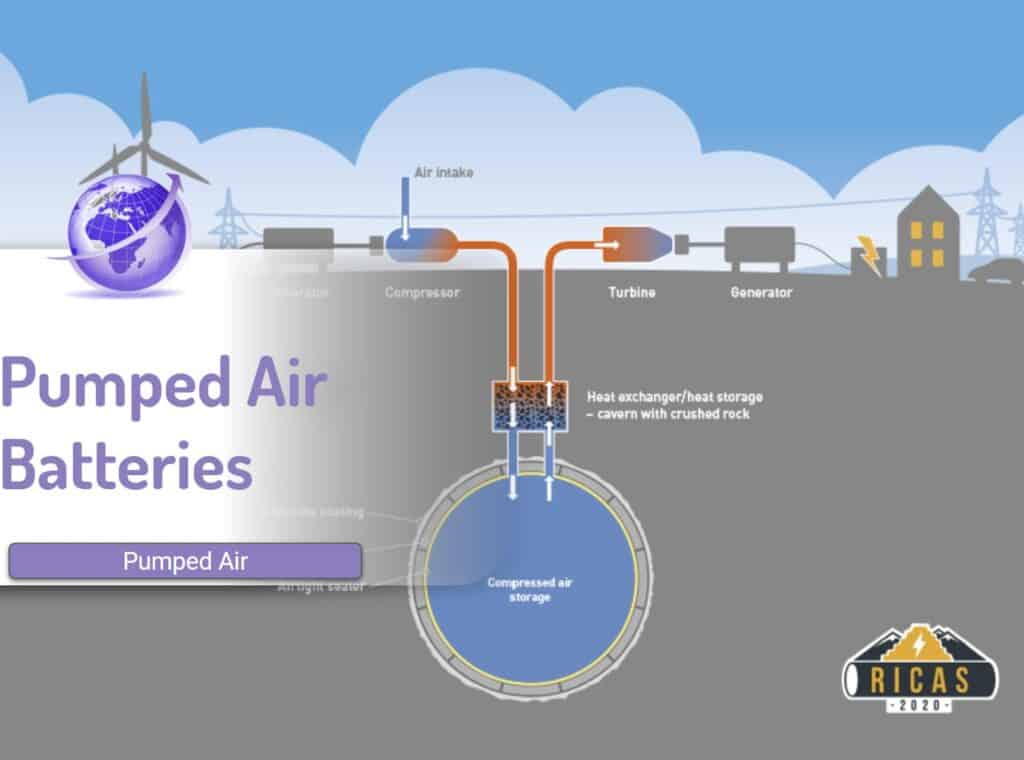
Compressed air battery using large underground vaults are being developed to provide long duration storage.

Flow batteries are a valid option for community and grid based storage. The advantages of low life, simple expansion works. Vanadium, iron, or zinc bromine based flow batteries will not be used in vehicles but deliver great grid and micro grid storage battery solutions.
Flow Batteries using Vanadium Iron Zinc-BR or HBr Read More »

Tesla vision part 3 is to be announced on March 1st, 2023 at Investor Day. How will this differ from Part 1 or Part 2. What is the “Path to a Fully Sustainable World”

Hydrogen fuel cell cars are still promoted but they will be dead within 2 years due to emissions as bad as petrol cars, poor infrastructure and rapid improving charging and range with battery electric cars.
Ten Reasons Hydrogen for Transportation is Dead, Including Cars Read More »

Cars are a major contributor to Japans economy with 5.5m or 24% of employees, and contribute 14% of all exports. Toyota’s no-ev strategy could mean Japan loses 14% of its GDP and $700 billion of exports as other EV makers overtake Toyota globally.

It is becoming clear that batteries will drive the electrification of transport. Batteries are demonstrating that hydrogen and synthetic fuels are losing ground to the 22% learning curve of batteries. Biofuels may be the only transition fuel for long range aircraft.

The Tesla Semi large truck will be at least 84% cheaper for fuel costs than equivalent large diesel trucks. Combined with more torque, regenerative braking increased purchase costs suggest less than a 2 year payback.
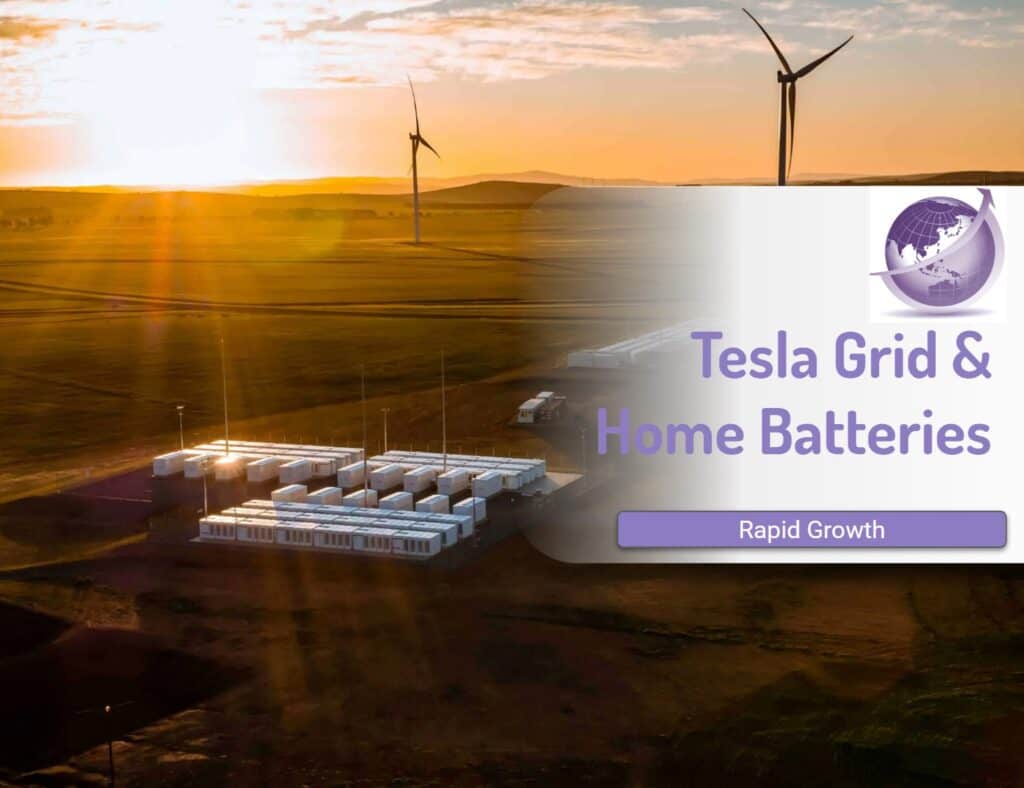
Tesla has led innovation into grid, industrial and home storage with their range of batteries. The lines are blurred with home batteries now providing grid virtual power plant services.

Batteries made from CO2 compression and expansion have moved from lab to deployment. Offering low cost, longer term storage utilising standard equipment.

Agromining using hyperaccumulator plants would be a very profitable crop in the tropics. Research from University of Queensland shows promise from nickel.

Steel accounts for 6% of global emissions. With a small number of iron ore miners and steel producers – what are technologies to de carbonise the industry?

With the exit of coal mines, use of green hydrogen and renewable energy for steel making, and full deployment will the number of mines crash?

Direct lithium extraction is used in land based brines by a number of companies, but the vision is that the ocean has huge quantities, or could be extracted as part of desalination.
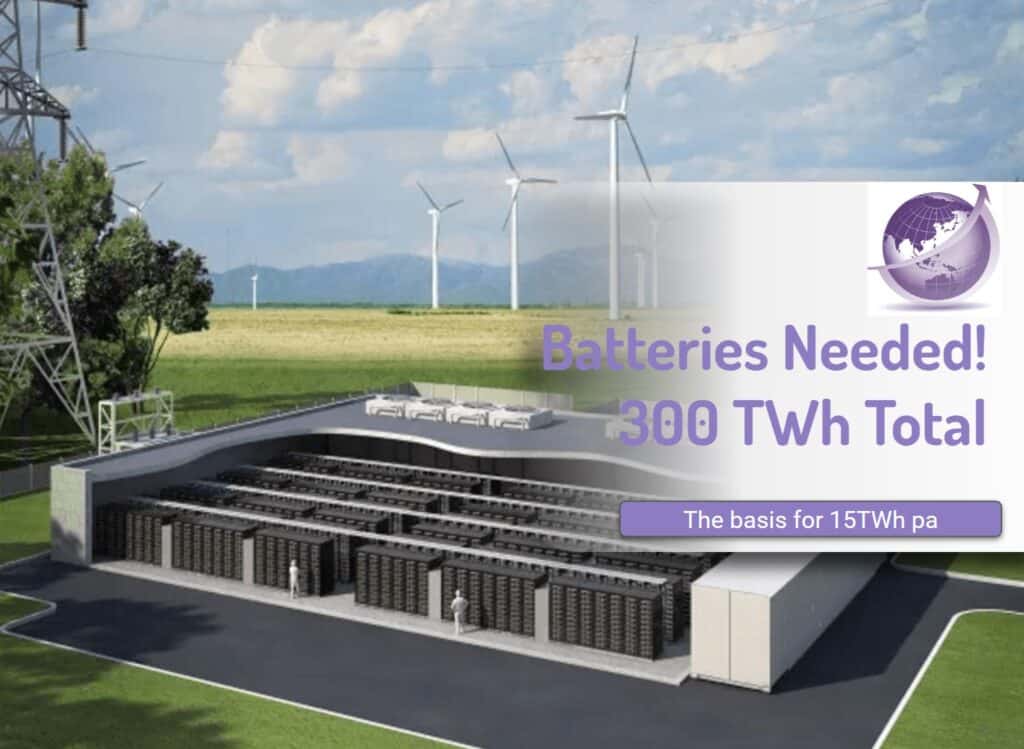
The total battery capacity for grid home and transportation is about 300TWh of batteries. This will take 10 years of manufacturing and ongoing of about 30TWh per year. Tesla aims to provide 10% of that battery capacity.
Batteries for Electrification is 300TWh According to Elon Musk Read More »

CATL announcement of their Qilin battery pack to be in production by 2023 exceeds Tesla’s 4680 battery and both exceed all other global batteries
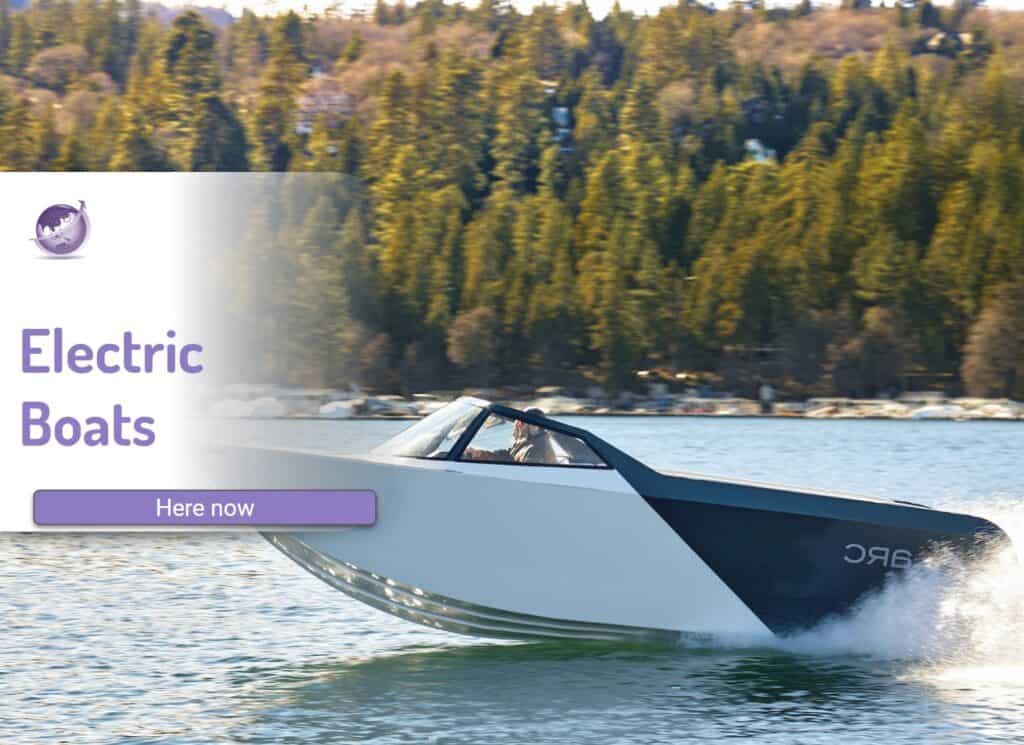
Electri motors make sense for propulsion on the water – and Torqueedo is the global leader in electric boats. Battery weight and energy storage has limited the more widespread adoption, but with major personal sportscraft Bombideer bringing out models by 2026 expect to see more