

Exponential Battery Growth is Underway
Exponential battery growth is underway and hideen from most climate change commentaries yet will enable full renewable energy within a decade.
Batteries are the standout technology enabling the build-out of renewable energy. They do not make electricity, but when paired with solar and wind they free us from wires and fuel, and they are moving from powering our devices to powering vehicles, homes and entire grids. Costs have fallen about 97% over the past 20 years, following Wright’s Law, where each doubling of production cuts cost by up to 15%.
Our posts follow the technology on every front: lithium-ion improvements, silicon anodes, sodium-ion cells launched in China, solid state announcements and the long record of Toyota’s solid state delays, plus iron-air, liquid metal, flow, nickel-hydrogen and even gravity and compressed air storage. Others cover 15-minute charging, million-kilometre and 1000-mile batteries, and research suggesting batteries can last 40 years.
The bigger story is what batteries do to the grid. Posts show grid-scale and home batteries growing rapidly, community batteries on power poles, and how storage turns electricity from baseload into dispatchable power. A recent post explains how more storage, held back for the worst moments, could cut wholesale electricity costs by 20%. Pumped hydro and Queensland proposals are covered too. Start here to see why batteries are ending the fossil fuel era in transport and power.
Exponential battery growth is underway and hideen from most climate change commentaries yet will enable full renewable energy within a decade.

Solid-state batteries are the next big thing in battery technology but unfortunately, Toyota’s failure with solid state batteries is clear […]

Advent of big batteries changes electricity from synchronus (ie, generate and use) to asynchronous, i.e. store and use to match demand and supply. The grid will change from baseload and peaking to dispatchable renewables and variable renewables.

The quantity of elements in a battery is shown in Visual Capitalist images. The quantity of graphite is up to 50% of the battery, but cheap, whereas other elements may be small but expensive.

Faster charging batteries, better battery packs. The enhancements keep coming, not just from CATL, but other manufacturers of batteries, leading to a 20% plus increase in battery capacity per year.
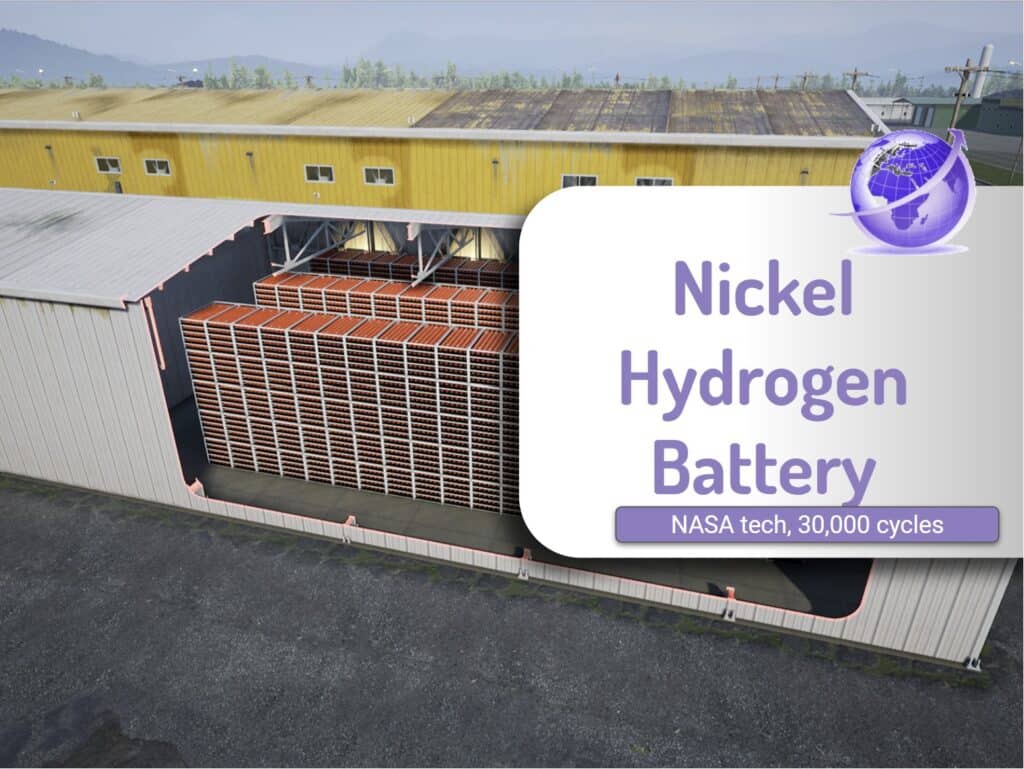
The Grid Battery of nickel and hydrogen from Enervenue commercialising a NASA technology major advantage is extremely high cycle time and extramely low degradation over 2 decades.
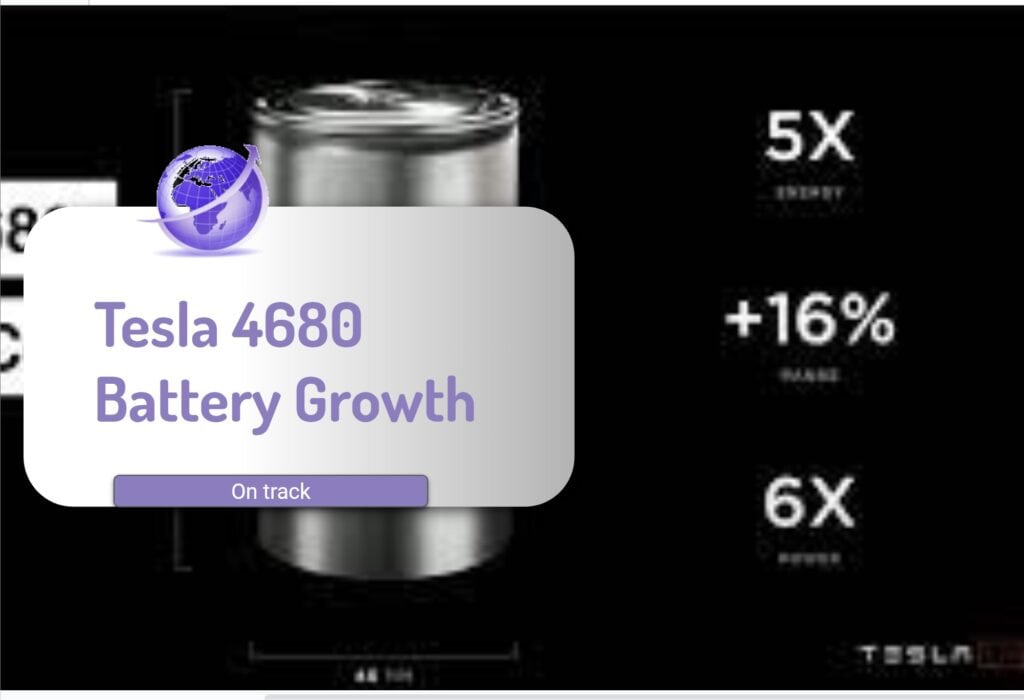
The Tesla 4680 production has been growting at 21% per month since product launch. By the end of 2023, the 4680 battery will start deliverying the increase in cell density and cycle time as promised in 2019.

Concentrated solar CSP improvements are welcome, as many CSP plants were built 10 years ago but cheap solar panels have displaced CSP plants. Improvements are welcome.
Improvements in battery chemistry and form factors is leading to a learning curve of 15% annually for energy density and price. Compare these new battery chemistries
The top 20 lithium ion battery manufacturers manufacture over 1TW of batteries annually and on a ramp up to produce over 3 TW per year – on the way to 250TW needed for total electrification of grid and transportation,