
Health

Lethal humidity from climate real and going to get worse
Climate Change

Lethal Humidity

Lethal humidity is a dangerous combination of high heat and high humidity, measured by wet-bulb temperature. When humidity is too high, sweat cannot evaporate from the skin, preventing the body from cooling itself. This causes core body temperature to rise rapidly, leading to heatstroke, organ failure, and potentially death within hours. Climate change increases frequency and intensity of these life-threatening conditions especially in Middle East, India and South East Asia
low dose radiation from nuclear accidents
Nuclear

Low Dose Radiation From Nuclear Accidents

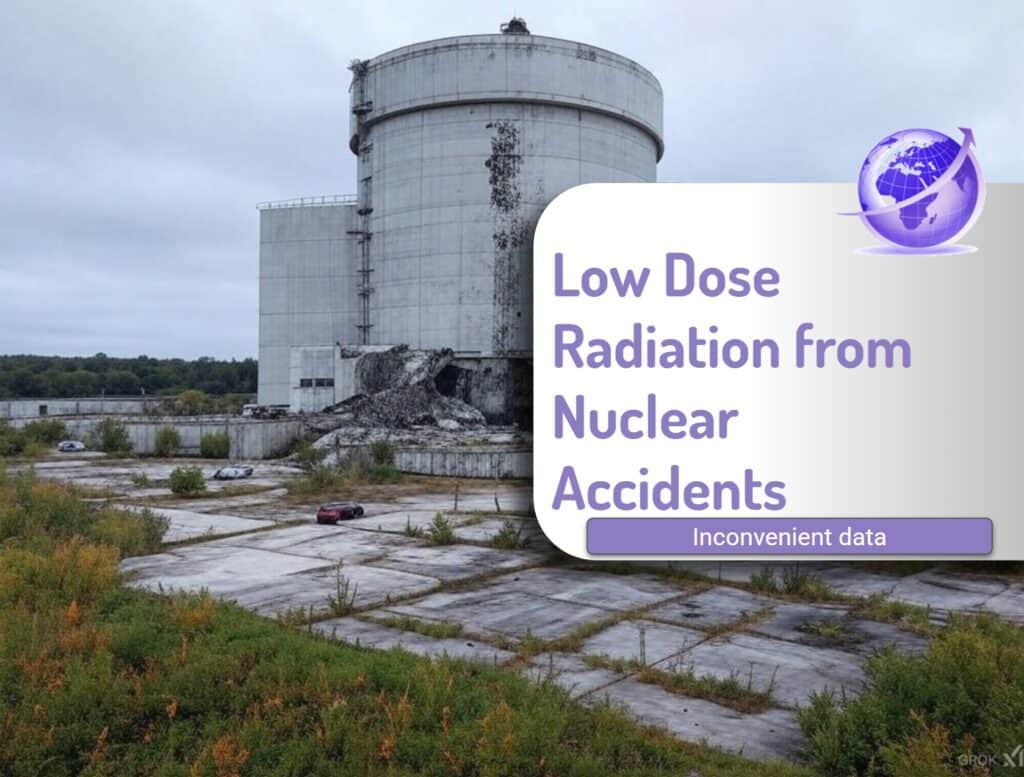
The evidence is clear that nuclear accidents risk polluting large areas with I-131 and Cesium and populations of tens of thousand have increased risk of thyroid cancer. There is no minimum safe exposure, inspite of nuclear advocate misinformation. Nuclear accidents cost billions, and kill thousands indirectly. The risk is simply not worth it.

AI helps us live longer
AI & Robots, Health

AI Helps Us Live Longer

AI will help us live longer than we every expected. Not just to 120. We may be able to live to hundreds. We are in the midst of a healthspan revolution that will enable us to live vitally. Advanced diagnostics to catch any disease at inception. Tailored advanced therapies to reverse disease. Slowing, stopping, and potentially even reversing aging.

Human 3d organoids
AI & Robots, Health

Human 3D Organoids

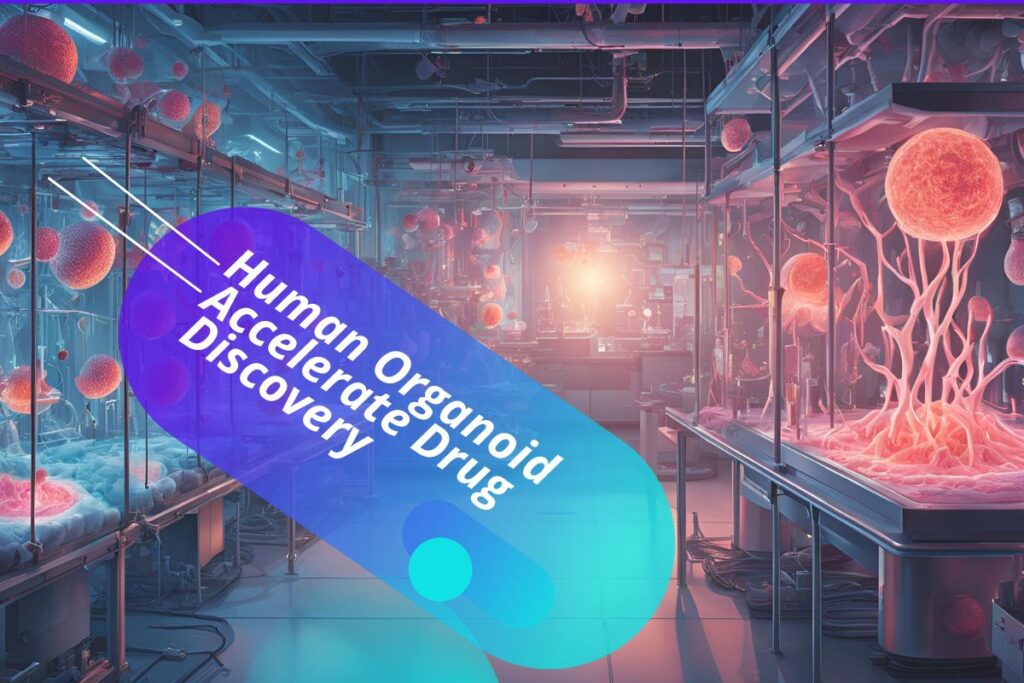
Human 3D organoids are in vitro 3D cultures that mimic the structure and function of human organs. They are derived from stem cells, which can self-renew and differentiate into various cell types. Organoids are a powerful in disease modelling, drug development, personalised treatment, and regenerative medicine. 

lignin replacing plastic
Waste

Lignin Replacing Plastic

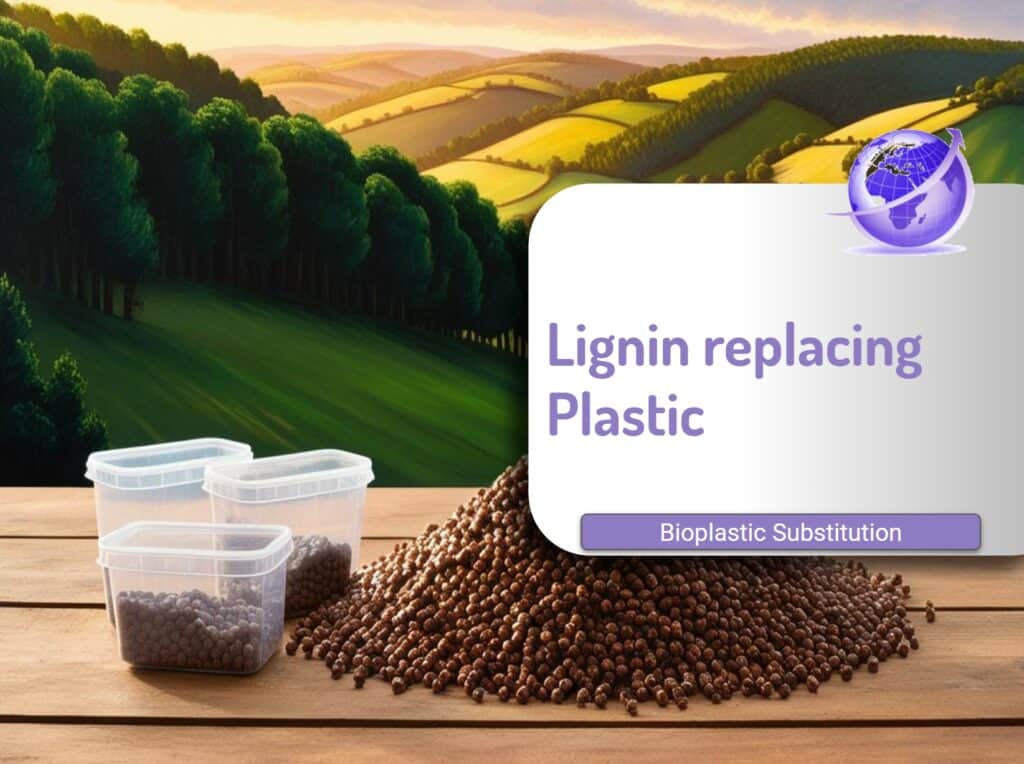
Plastic pollution is a growing environmental issue, but innovation in alternative materials offers a solution. Lignin, a natural polymer, can replace many fossil-based plastic products. Other plant-based materials, mycelium, and algae are also being explored as potential plastic alternatives, offering hope for a more sustainable future.

AI improves clinical trials
Health

AI Improves Clinical Trials

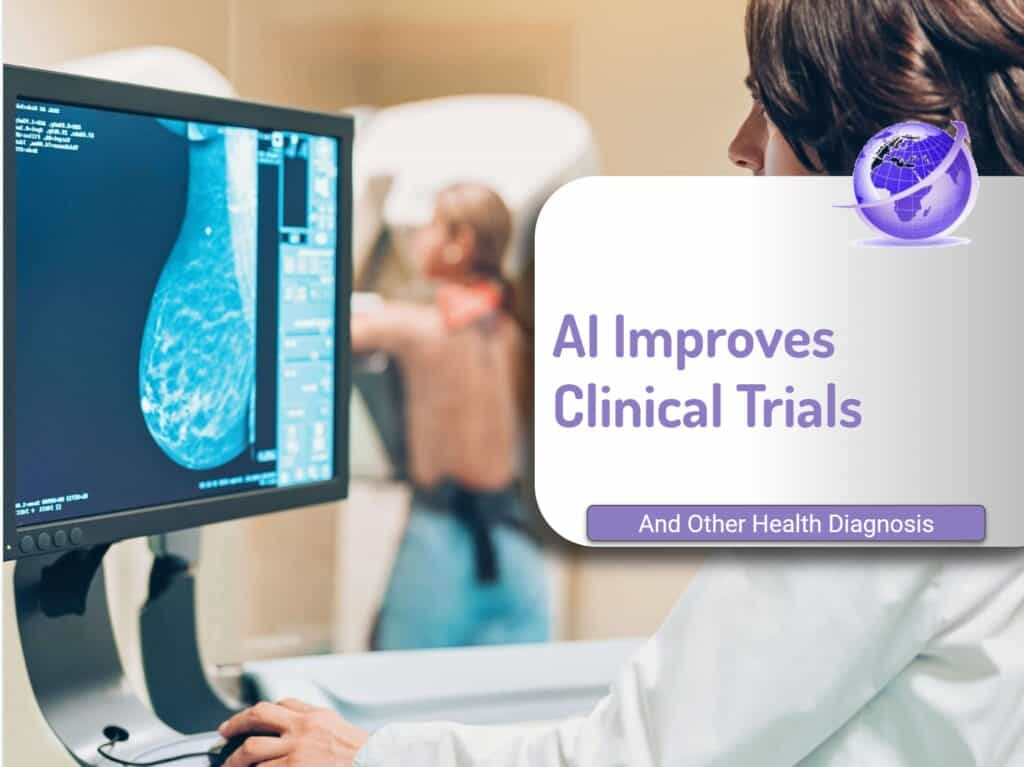
AI is transforming clinical trials by predicting success with 90% accuracy. This could lead to fewer trials, better outcomes, and reduced trial times. Companies like OPYL, OpenAI, and Moderna are at the forefront of this AI-driven healthcare revolution. Using 20 years of past clinical trial data, OPYL can improve trial outcomes by 4 to 5 times, reducing costs and improving success.

AI accelerates drug discovery
Health

AI Accelerates Drug Discovery

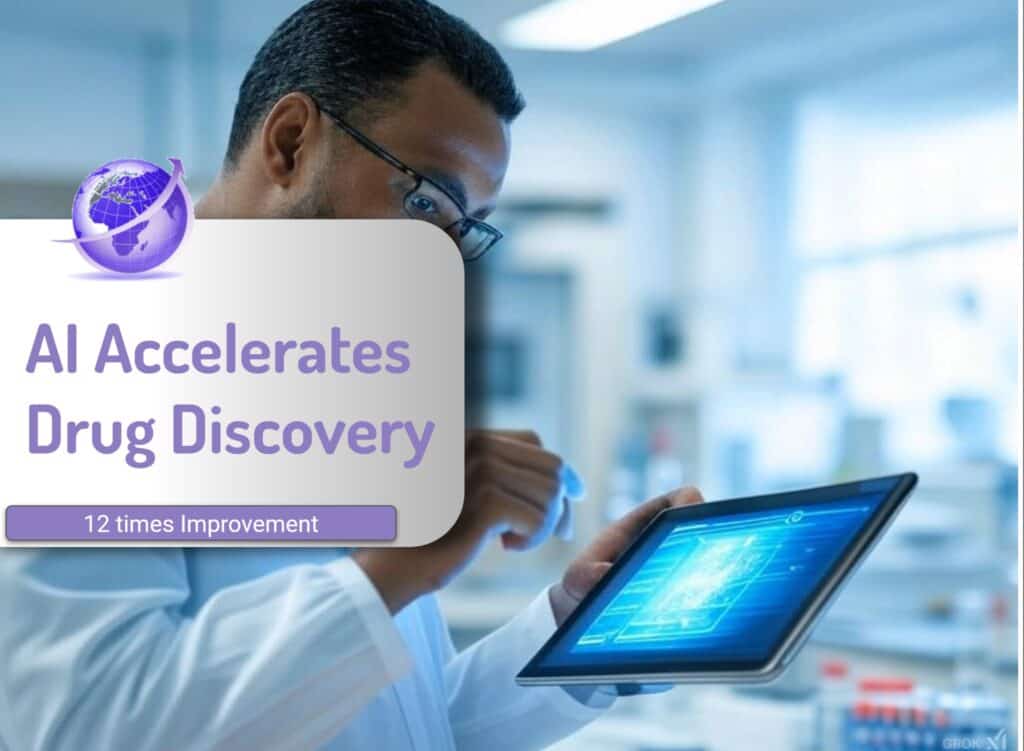
Within a decade we will cure disease, not just treat it. AI accelerates drug discovery and will reduce cost of new drugs by 4 from $2.4 billion to $600 million, and time from 14 years to 6 years. ROI improves 12 times. AI in medicine will not just improve medicines but will improve diagnosis and treatment.

covid spike protein damages brain
Health

Covid Reduces IQ

New research from Prof Ali Max reveals the COVID-19 spike protein can persist in the body for years, causing brain damage. The protein accumulates in the skull and meninges, leading to inflammation, neuronal damage, and neurodegenerative changes. Long COVID patients exhibit elevated levels of neurodegenerative markers. Vaccination can significantly reduce spike protein accumulation and long-term neurological effects.

statins for over 70 year olds
Health

Statin Effectiveness in Older People 

Stroke is a major health issue, especially for those over 60. Statins lower cholesterol, stabilize plaques, and reduce inflammation, effectively preventing repeat strokes. However, evidence for statins preventing first strokes in the elderly, particularly those over 75, is weaker, leading to inconsistent guidelines.

Dementia Diagnosis and Treatment Advances
Health

Dementia Diagnosis and Treatment Advances

Recent advancements in AI, particularly in early diagnosis and treatment of dementia, provide a glimmer of hope. Dementia, a major global health challenge, is expected to affect 153 million by 2050. AI detection and lifestyle changes like exercise can delay onset, while new drugs like Donanemab offer promising, albeit expensive, therapies.

Scroll to Top