Zero Emission Shipping by 2050
Shipping emissions were excluded from the Paris Accord, but the LMO has committed to zero emissions for shipping by 2050. The challenge is how to change an industry of over 100,000 vessels.
Shipping emissions were excluded from the Paris Accord, but the LMO has committed to zero emissions for shipping by 2050. The challenge is how to change an industry of over 100,000 vessels.

Real world examples where hydrogen fuel cell buses and transport systems have been deployed as “trials” and abandoned due to high costs and reliability.

Have you had extreme weather as a result of climate change? Those extreme weather will mean you will be unable to insure your property from the effects of climate change.

Will the decrease in the cost of hydrogen electrolyzers be sufficiently fast to compete with other energy solutions? Will China drive the cost down fast enough?

France has passed a law to have all carparks, old and new, over 80 spaces covered with solar panels. The electricity is greater than 10 nuclear power plants, cost 1/10th and built in 1/3rd of the time.

The passage of the IRA bill was enabled by politics and putting in expenditure to placate fossil fuel states and representatives. The $7 billion for hydrogen trucks is an example of sheer folly, but political necessity
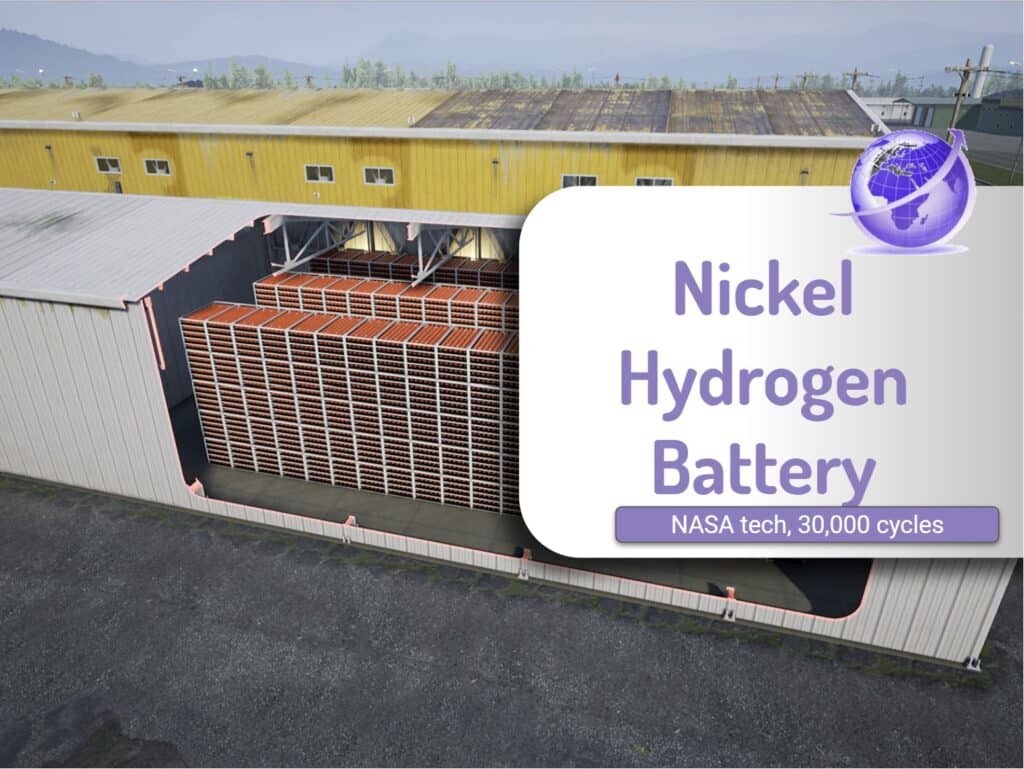
The Grid Battery of nickel and hydrogen from Enervenue commercialising a NASA technology major advantage is extremely high cycle time and extramely low degradation over 2 decades.
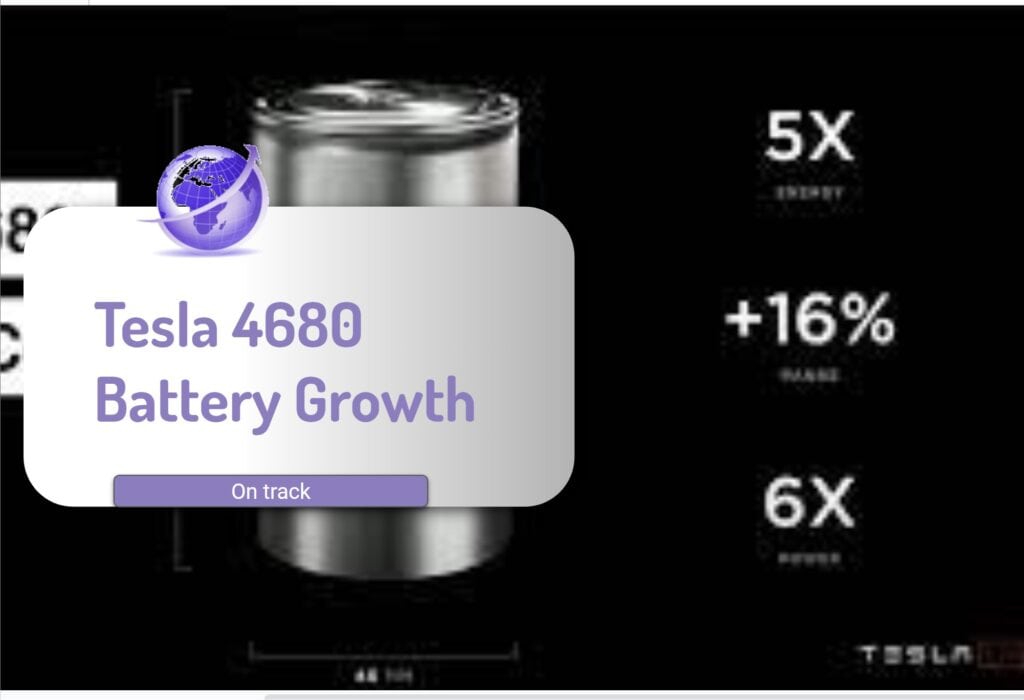
The Tesla 4680 production has been growting at 21% per month since product launch. By the end of 2023, the 4680 battery will start deliverying the increase in cell density and cycle time as promised in 2019.

Concentrated solar CSP improvements are welcome, as many CSP plants were built 10 years ago but cheap solar panels have displaced CSP plants. Improvements are welcome.

Disruption to the car market is now inevitable with the rise of electric vehicles globally. An exponential increase in EV manufacture means few internal combustion engine cars after 2026

Improvements in battery chemistry and form factors is leading to a learning curve of 15% annually for energy density and price. Compare these new battery chemistries

The top 20 lithium ion battery manufacturers manufacture over 1TW of batteries annually and on a ramp up to produce over 3 TW per year – on the way to 250TW needed for total electrification of grid and transportation,

The graphene aluminium-ion batteries developed by GMG promises a radical improvement compared with the lihium batteries currently the workhorse for transportation and grid energy with 4 times more energy, long life, fast charging, non flamable and cheaper.
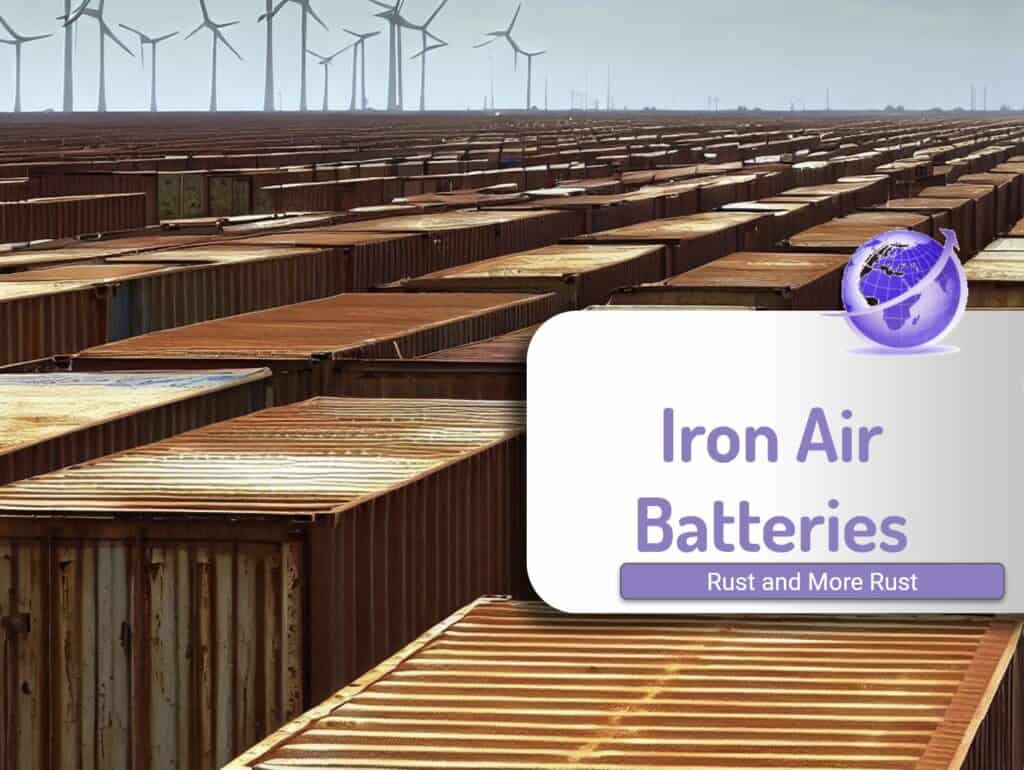
Ion air batteries for grid scale batteries target cost is $20KWh by 2030. Well funded, Form Energy is building a 12GW factory in Iowa, and has pilot and first plants under construction to be

The Inflation Reduction Act of 2022 has driven a huge investment in battery factories, hydrogen, wind and solar farms, battery storage and other emission reduction technologies.

Liquid Metals battery from Ambri are designed for grid operation. Modular in container sized units with 20 years or 5,000 cycles and no fall off in capacity

Wind is much cheaper than nuclear electricity in the UK and yet UK is considering small nuclear as well. Economic stupidity and unwillingness to face up to reality.

The IRA USA within 12 months has driven over 100GW of production capacity with announcments and operating factories. Along with China and India production pv panels are booming.

Hydro has been the mainstay of renewable energy but droughts from climate change has reduced the energy produced by 250TWh – Spains electric demand.