

Evidence of Increasing Renewable Energy
Evidence of increasing renewable energy comes from most countries. Australia is one of the fastest changing but the USA is also rapidly changing, as is China
Renewable energy is growing faster than most forecasters expected, and this is the biggest category on the site. Our posts gather the evidence: electricity systems in the USA, China and many other countries going renewable rapidly, studies suggesting well over 100 countries could reach 100 percent renewable energy within years, and debates about how reliable the estimates are. We also keep an eye on forecasting failures, because agencies have repeatedly underestimated solar.
Solar and wind are the headline technologies. Posts look at booming photovoltaic supply, thin film and perovskite efficiency gains, concentrated solar, falling wind prices, offshore wind, wave and tidal power, geothermal and the carbon footprint of wind turbines. Others tackle myths, such as whether wind turbines kill birds, whether solar panels create a waste problem, and how recycling really works.
The category also covers the practical side of the transition: inertia in electricity grids, off-grid and uninterruptible power, heat pumps, balcony solar for renters, who owns Australia’s electricity and grid, and what green energy can save a household each year. A recurring theme is that stopping the burning of fossil fuels is simpler than it sounds, because wires carry energy more efficiently than pipes. Start here for the facts behind the energy transition.
Evidence of increasing renewable energy comes from most countries. Australia is one of the fastest changing but the USA is also rapidly changing, as is China

High Voltage DC transmission systems are driving underwater power cable for renewable energy transmitted over thousands of km from Africa to UK or Australia to Singapore. Cheap solar is driving the change.

The Carbon Footprint to build a wind turbine is paid back on average in 7 months, and costs about 10gCO2-equivalent compared to gas at 600, and coal at 1,000 g-CO2/kWh.

Recycling solar panels and wind turbines is a common arguement against renewable energy yet the industry has been steadily getting to 100% renewable components at end of life.

Wind powered electricity has been developed onshore, but the drive to offshore wind has picked up for 3 reasons. Decreased costs, no land impact and better wind profile
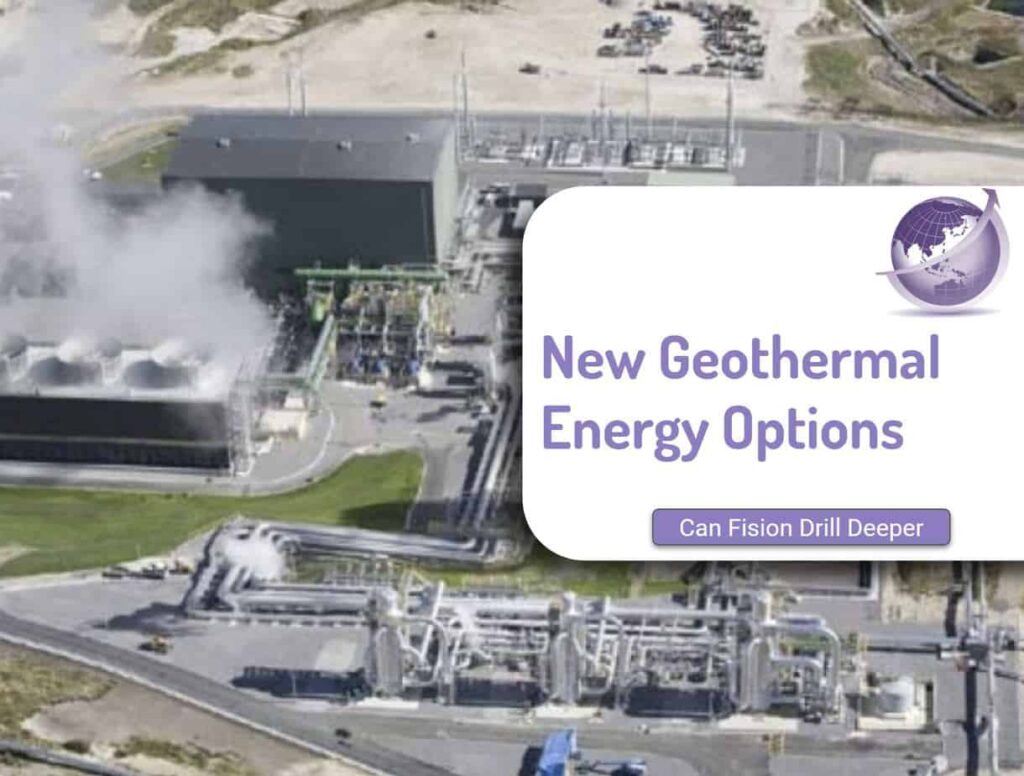
Geothermal energy is used in many countries. Quaise is intending to use gyrotron powered drilling to drill deeper to harness higher temperatures and pressure and convert fossil fuel stations to geothermal.

Green energy saves $5000 per year and Australia can do the Big Switch from fossil fuels to renewable energy with rooftop solar and batteries. Change is an increase wealth to households, not a cost.
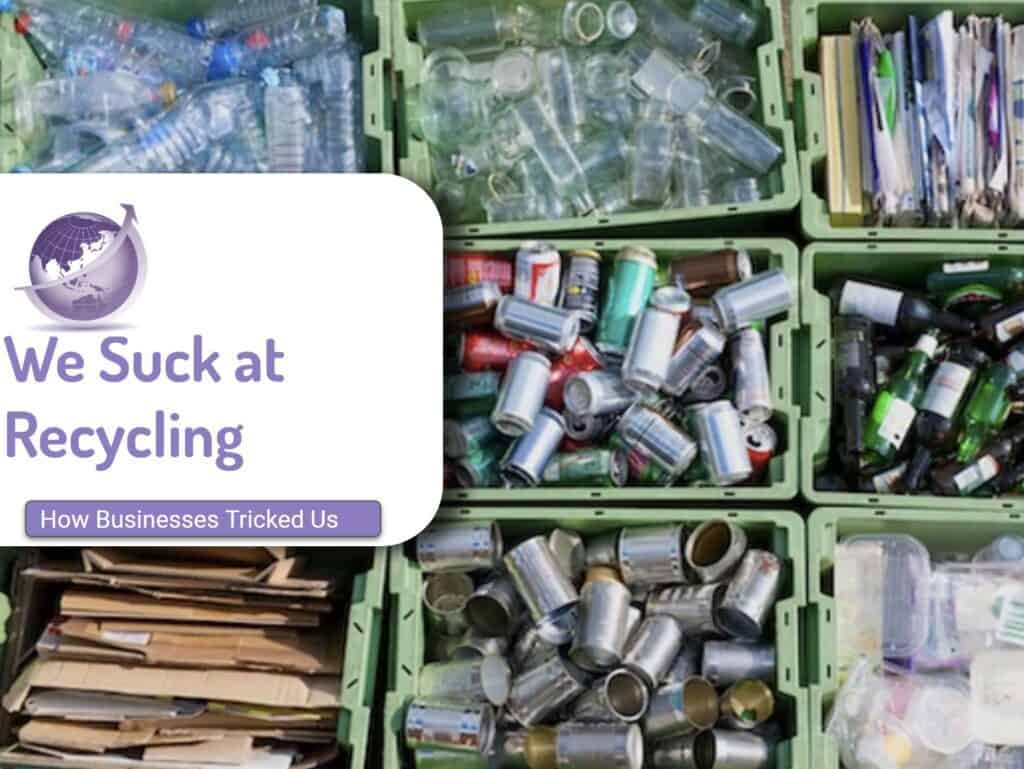
Recycling effectiveness is poor because companies have passed the responsibility and cost of recycle / reuse onto consumers. Less than 7% of all plastic is recycled. Almost as much is dumped at sea. Time to change.

Coal mines continue to be constructed but face becoming stranded assets with the change to RW. But coal mines are half of the worlds mines and less than 17% of the revenue. Will other EV minerals replace them?

Freeing energy explores the energy in the world and shows how local free energy using PV panels and batteries will provide energy to 3 billion in energy poverty and disrupt 135 years of Big Grid.