

More Charging Stations than Gas Stations
There are more charging stations than gas stations in some countries. What is increasing though is the number of high power / fast charging power facilities. Every country is deploying hundreds or thousands.
There are more charging stations than gas stations in some countries. What is increasing though is the number of high power / fast charging power facilities. Every country is deploying hundreds or thousands.

When you dig into the supposed shortfall of lithium for EV and grid energy industry, it is clear that there is enough lithium to meet the demand although it will take time to come on stream.

Electric trucks have been slowly entering the market from all the major manufacturers, and businesses are catching onto the savings and applications. Transition will be steady as the capital to change from conventional to electric will be intensive.

Tesla has established an insurance business, and the value of insurance could be 5 times more than just selling the car by itself. The margin from the insurance business could be bigger than the revenue from full self driving software, face lower barriers to adoption and reduce costs to customers.

Electric pickup trucks are coming. In China they are here already, but the love affair of the Pickup in USA or Australia, from big to small is coming over then next 4 years.

Who are the major car manufacturers globally, and what disruption will be coming with electric vehicles. Who will be the winners and loser?

Over 37 companies have announced or are building European battery gigafactories. The largest is Tesla at Berlin due for production in early 2021, but others are focused on supplying the European manufacturers.

Numerous battery gigafactories in the USA have been announced. With capacity over 1TWh they could build 15million electric vehicles per year.

Lithium from Chile, Argentina and Bolivia makes up 20% of the current supply, with China and Australia the majority of the rest. Intense exploration and extraction is in full swing.
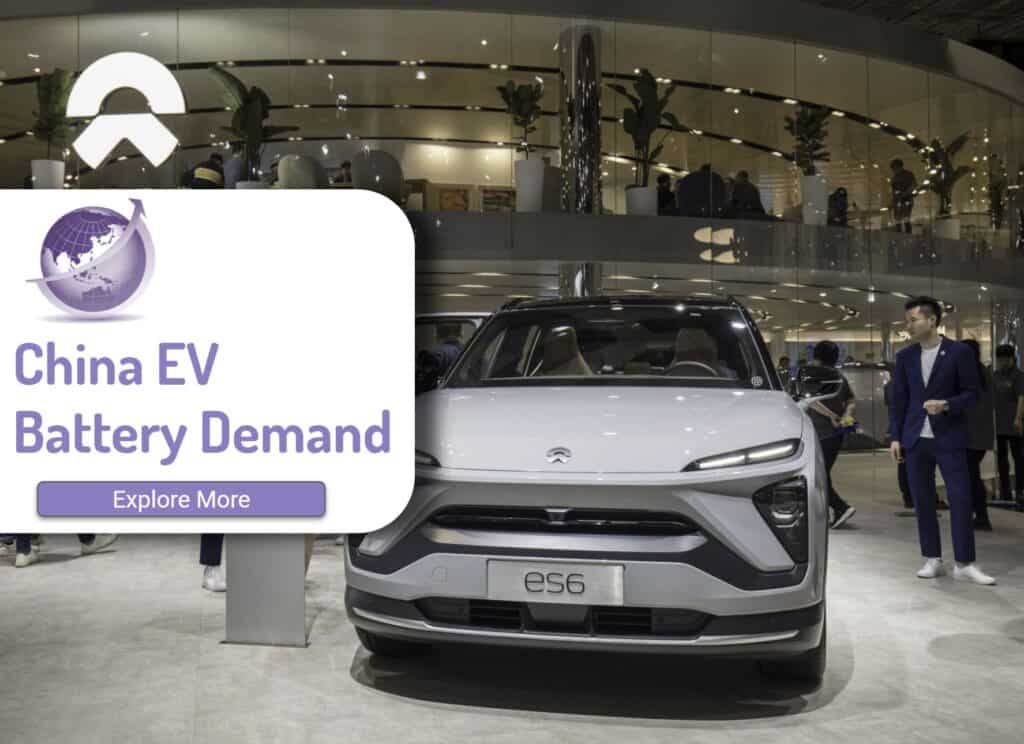
EV production in China is booming with multiple “Gigafactories”, and the battery market is racing to keep up with demand and supply. China will get to 20% of EV new car sales by the end of 2021 4 years ahead of 2025. Six battery companies provide 47% of the global demand for batteres.

It takes 2 years to build a battery gigafactory. But it takes 7 or more years to develop a mine. While there is plenty of lithium on the planet, it isn’t being extracted and refined quickly enough to keep up with the rapidly growing demand for batteries.

Over 200 Gigafactories have been constructed or in construction or announced. There are in many countries around the world and are needed to produce the 80 million cars each year and the GW of energy Grid Storage.

While lithium ion batteries are the mostly widely used, other battery technologies are avalable that are competitive in some applications. Numerous other battery chemistries are in R&D phase

Rare earth elements are a critical part of the renewable energy industry as well as in the past for catalysts and industrial products. We explore what they are, and where they can be found.

Cobalt is used in Lithium ion nickel batteries as the cathode. Globally, 98% of cobalt is a byproduct of copper or nickel . In copper it’s 60% of that market. And in nickel’s case, it’s around 38%. Cobalt is essentially an accidental metal. New EV battery technologies do

Nickel is a widely mined mineral, often in conjunction with copper around that world. Primary use is in stainless steel, but EV batteries require substantial amounts of nickel over the next decades.

Graphite is a key component in batteries and is the anode in most commercial batteries today. Sourced from fossil fuels, companies are seeking new carbon zero supply and looking to improve performance and reduce costs.

The value to Australia for coal exports is less than the cost to import petrol and diesel. Australia should transition to EVs as fast as possible to improve the balance of payment and reduce carbon emissions and save consumers money.

Simple napkin maths says that Tesla makes robotaxis economic. In fact the numbers are so high they are just not believable? So what is stopping this? Politics? Technology. The only thing seems to be timing. Will it be this year? 2024?

Ten issues say why autonomous cars will be here by 2023. Rapid rise of EV sales, the money invested in research and development and will lead to biggest consumer boom ever.