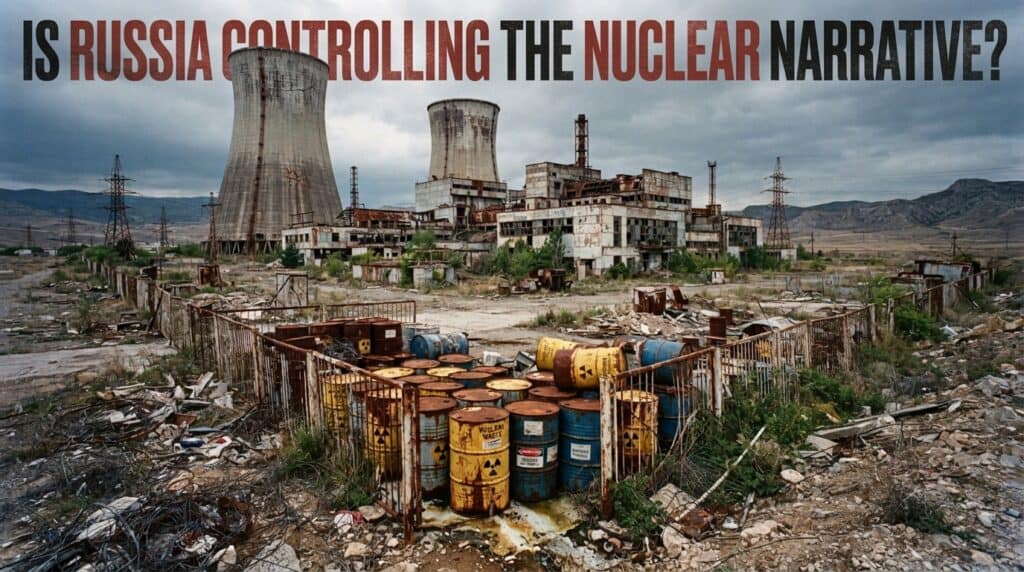
nuclear

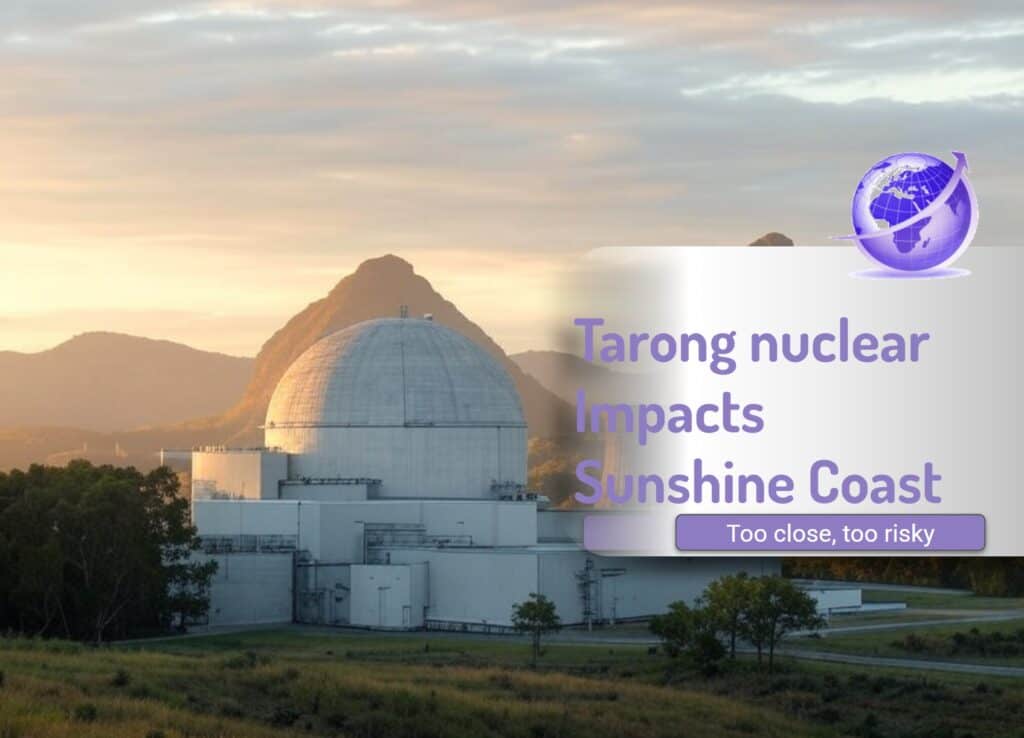
Tarong Nuclear and accidents
Nuclear

Tarong Nuclear and Accident Impacts

Nuclear accidents happen
Summer thunderstorm patterns from Tarong to the Sunshine Coast means the Coast will be in the firing line of any accident at Tarong.
Low level radioactivity causes thyroid cancer for up to 60 years. People and lives are affected for generations and nuclear is not worth the risks

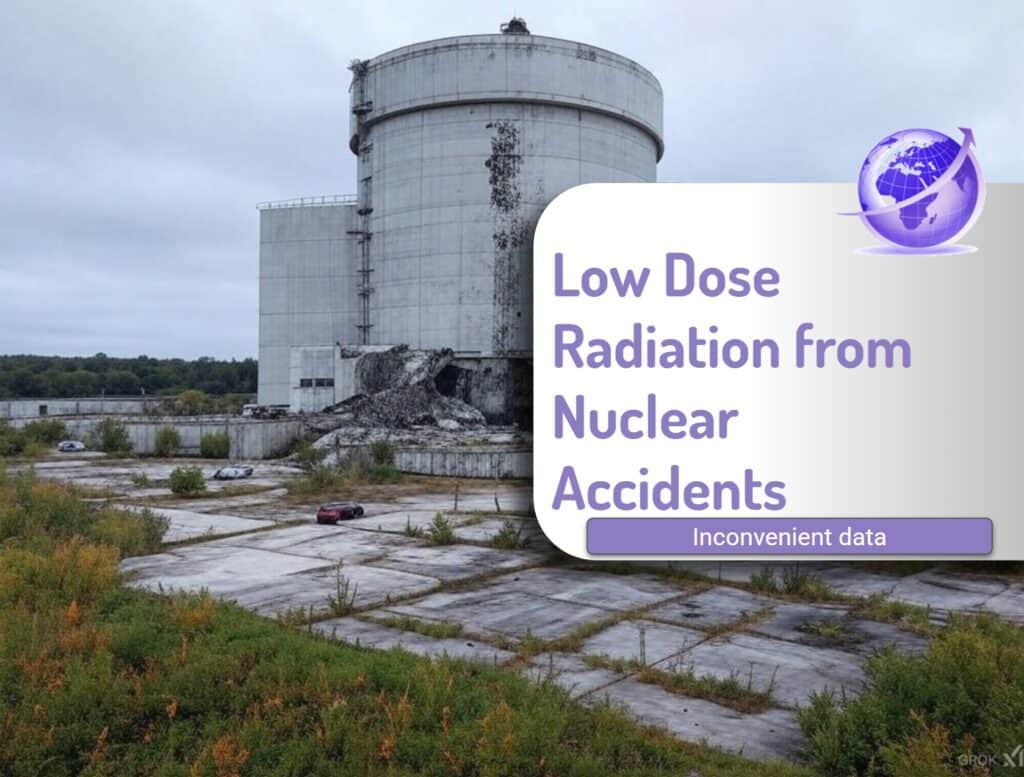
low dose radiation from nuclear accidents
Nuclear

Low Dose Radiation From Nuclear Accidents

The evidence is clear that nuclear accidents risk polluting large areas with I-131 and Cesium and populations of tens of thousand have increased risk of thyroid cancer. There is no minimum safe exposure, inspite of nuclear advocate misinformation. Nuclear accidents cost billions, and kill thousands indirectly. The risk is simply not worth it.

Mistrust in Science increasing
Disruption

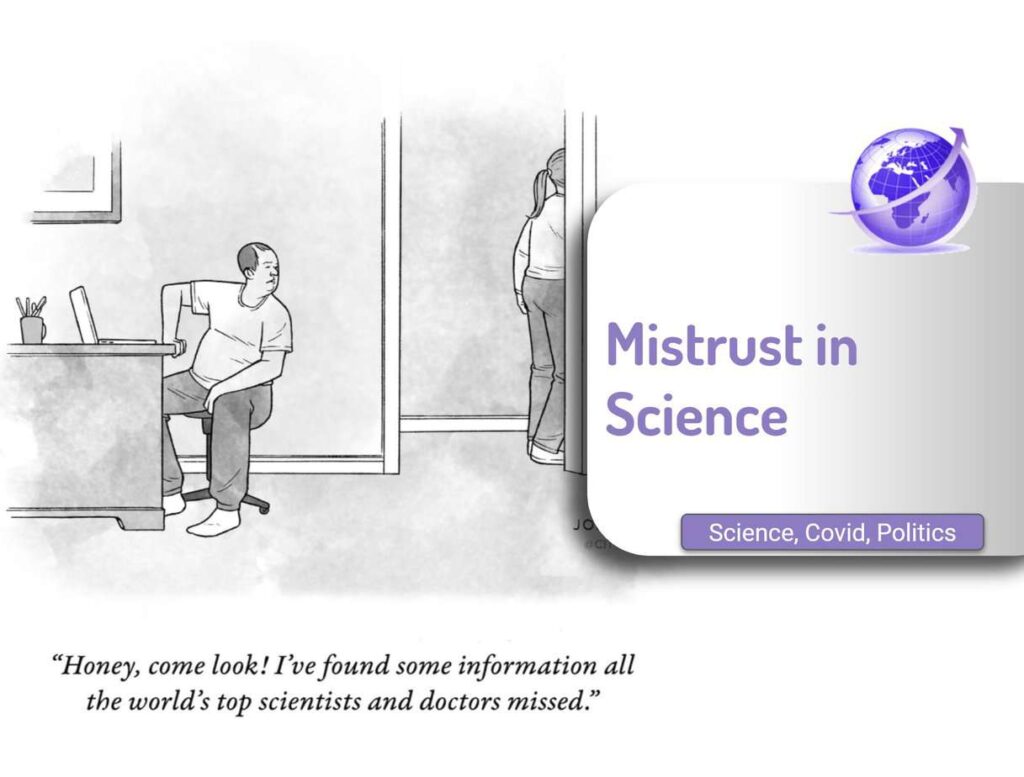
Mistrust in Science Increasing

Most research shows Mistrust in science increasing over the past decades and primarily driven by political polarization, amplified by partisan media and social media algorithms that spread misinformation, with variation observed across age, rural vs. urban populations, and political affiliations. Was it the nuclear bomb, or Rachael Carson, but mistrust is increasing rapidly.

Renewable Energy

Q&A Renewable Energy

Renewables can supply 100% power, with several countries already achieving high percentages. They are cheaper than fossil fuels, despite rising energy bills due to external factors. While land use is less for renewables, the environmental impact of fossil fuels is significant. Job transitions from fossil fuels to renewables are underway, with potential growth in sectors like battery technology. Renewables offer economic, environmental, and job benefits over fossil fuels.

nuclear is not safe
Nuclear

Nuclear is Not Safe

Nuclear power is riskier than previously thought with failure rate of 1 per 3704 reactor years. That’s about 1 per decade. Despite safety improvements, severe accidents remain a concern. Limited data from the IAEA hinders thorough analysis.

china emissions drop to 45% by 2030
Climate Change, Renewable Energy

Chinese Coal Drops from 70 to 45 Percent by 2030

Lauri Myllyvirta forecasts China’s coal dependency to drop from 70% to 45% by 2030, influenced by renewable expansions and energy policy shifts reported in April 2024. Despite local-global energy strategy conflicts and bureaucratic hurdles, China’s renewable energy sector is flourishing with vast solar and wind installations, and plummeting solar, battery prices. China’s energy security challenge is compounded by coal quality issues and reliance on imports.

Scroll to Top