renewable energy

industrial scale bioplastic production

Industrial-Scale Bioplastic Production

Industrial-scale bioplastic production is being implemented in select regions globally, primarily for applications like packaging, as documented by case studies such as a Malaysian palm biomass biorefinery (20,000 tons/year) and Thailand’s cassava-based PLA and bioplastic bag production demonstrating localized cost and environmental advantages, but broader adoption is limited by high costs, scalability challenges, and performance trade-offs to the 480 million tonne market.

Industrial-Scale Bioplastic Production Read More »

Group14 silicon anode batteries

Group14 Silicon Anodes

Nano-silicon anodes are a promising new technology for lithium-ion batteries. They offer 30% superior capacity, faster charging and longer life than traditional graphite anodes. Group 14 is a leading company in this field, and their technology is already being used in smartphones. They are now expanding their production to meet the growing demand for batteries in electric vehicles and other applications.

Group14 Silicon Anodes Read More »

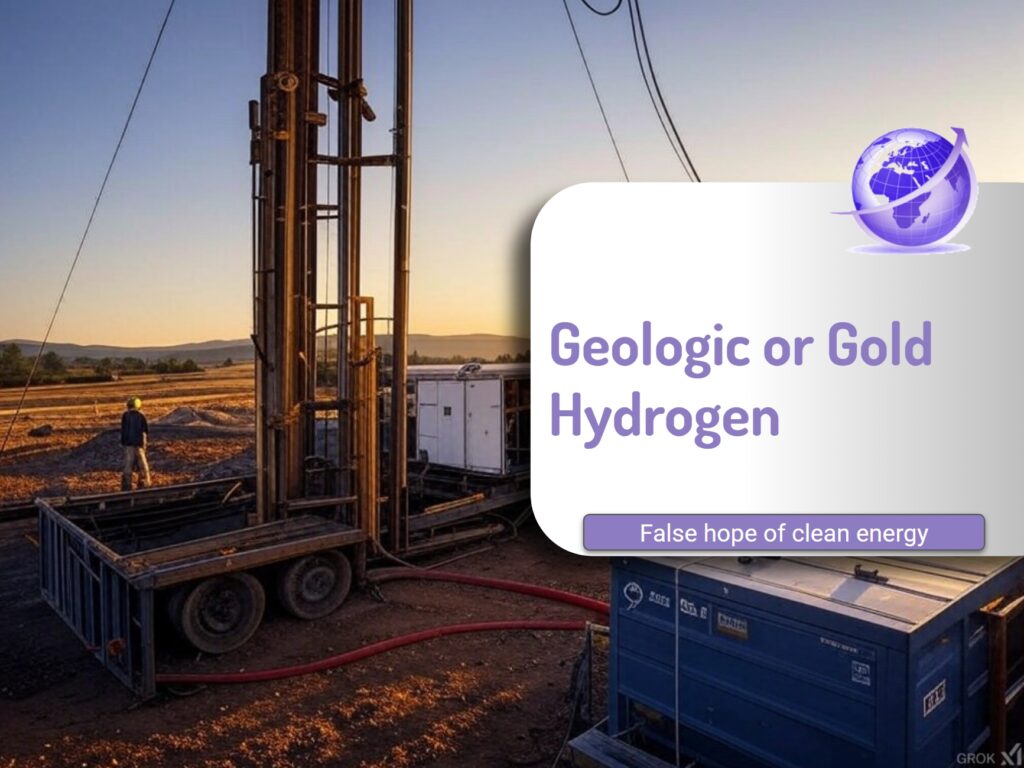
Geologic or Gold hydrogen

Geologic or Gold Hydrogen

Geologic or gold hydrogen has potential to be part of the clean energy transition. Potential LCA and cost is low ($1kg), but there are technological and economic hurdles Co-production of helium with geologic hydrogen could be a key factor in making this technology commercially viable.
Research and development may determine the true potential of geologic hydrogen.

Geologic or Gold Hydrogen Read More »

Mistrust in Science increasing

Mistrust in Science Increasing

Most research shows Mistrust in science increasing over the past decades and primarily driven by political polarization, amplified by partisan media and social media algorithms that spread misinformation, with variation observed across age, rural vs. urban populations, and political affiliations. Was it the nuclear bomb, or Rachael Carson, but mistrust is increasing rapidly.

Mistrust in Science Increasing Read More »

electrify everthing

Electrify Everything

Electrification promises up to 80% of all global energy requirements and can rapidly stop emissions. In this podcast, Lord Adair Turner points out efficient technologies such as heat pumps, electricity for heating water, air, and materials can rapidly change emissions. The focus shifts from energy consumption to energy services for better human welfare. Solar PV costs at 9 cents/watt and batteries under $100/kWh enable transition.

Electrify Everything Read More »

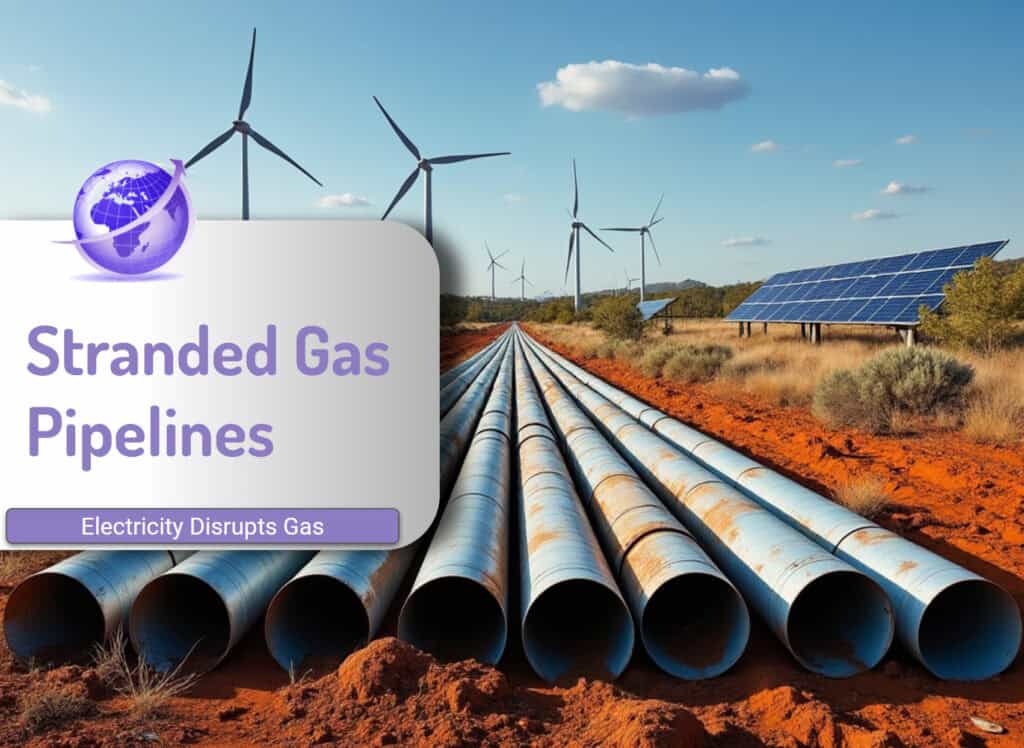
Stranded gas pipelines in australia

Stranded Gas Assets in Australia

Rapid electrification is forcing gas network companies to seek higher fees by over $200m as they try to protect over $10 billion of stranded assets. As more households switch to electricity, the future of renewable gas remains uncertain. The energy transition challenges policymakers to protect both consumers and gas companies.

Stranded Gas Assets in Australia Read More »

Q&A Renewable Energy

Renewables can supply 100% power, with several countries already achieving high percentages. They are cheaper than fossil fuels, despite rising energy bills due to external factors. While land use is less for renewables, the environmental impact of fossil fuels is significant. Job transitions from fossil fuels to renewables are underway, with potential growth in sectors like battery technology. Renewables offer economic, environmental, and job benefits over fossil fuels.

Q&A Renewable Energy Read More »

wind prices falling

Wind Prices Falling

Wind turbine prices have increased recently due to factors like supply chain issues and inflation. However, technological advancements and economies of scale have led to more efficient and larger turbines, reducing the cost of energy production per MWh. While costs vary by country, China has seen significant reductions in wind turbine installation costs. Overall, the trend is towards more affordable wind energy, despite recent price fluctuations.

Wind Prices Falling Read More »

Batteroes key to end of fossil fuel era

Batteries End Fossil Fuel Era

Batteries are essential for the renewable energy transition. They enable storage of excess solar power, reducing reliance on fossil fuels. Tesla’s recent announcement of producing 100 million 4680 batteries highlights the rapid advancements in battery technology. This progress is crucial for a sustainable energy future, for electric transport and grid storage to enable full production by solar and wind for the end of the fossil fuel era

Batteries End Fossil Fuel Era Read More »

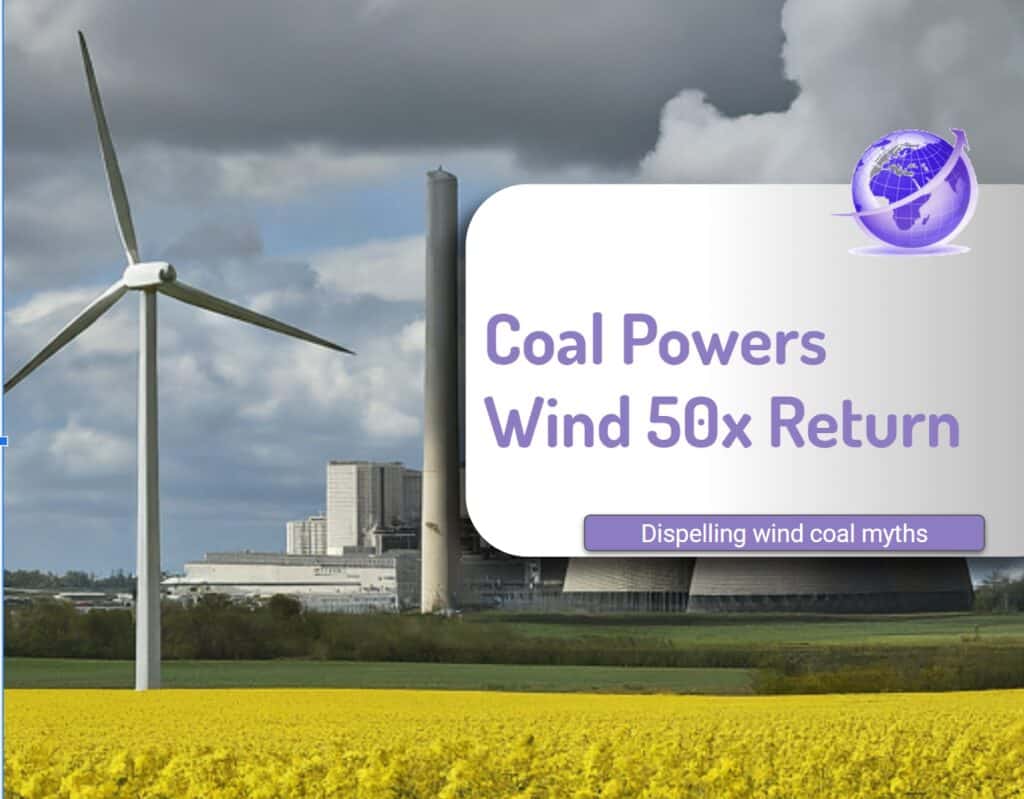
coal to build wind turbines provides a 50 times return

Coal to Build Wind Turbines

While over 260t steel, 300t iron ore, 170t coking coal are used to build a 4MW wind turbine, the energy from a wind turbine is 660 times more. The wind turbine produces 420GWh electricity over its 30-year life, while the equivalent amount of coal electricity would require 290,988t of coal. Therefore, wind energy is a much cleaner and more sustainable option.

Coal to Build Wind Turbines Read More »

25 factors in battery systems

25 Factors in Battery Systems

Batteries are essential components in modern technology. From smartphones to electric vehicles, they store and deliver energy efficiently. Understanding battery systems involves factors like chemistry, capacity, and management. Proper maintenance and disposal are crucial for ensuring their longevity and environmental sustainability.

25 Factors in Battery Systems Read More »

nuclear is not safe

Nuclear is Not Safe

Nuclear power is riskier than previously thought with failure rate of 1 per 3704 reactor years. That’s about 1 per decade. Despite safety improvements, severe accidents remain a concern. Limited data from the IAEA hinders thorough analysis.

Nuclear is Not Safe Read More »

great gas giveaway

Great Gas Giveaway

Australia’s government subsidizes the fossil fuel industry, emphasizing gas fields in its strategy despite environmental concerns. Critics argue this undermines emissions targets and misses potential royalty revenues. The policy supports export-focused gas development, risking public funds for decommissioning costs while contradicting net-zero ambitions and favoring fossil fuel interests.

Great Gas Giveaway Read More »

Australian gas exports will crash by 2030

Australian Gas Exports Will Crash

Australia gas strategy emphasizes new gas fields, causing concerns about climate goals due to rising emissions. Australia’s gas exports face a declining future, with major markets reducing demand and increased competition from the USA and Qatar. Thermal batteries may assist in industrial decarbonisation but the biggest threat is all countries are moving rapidly to reduce gas demand. Decommissioning liabilities heighten taxpayer risks.

Australian Gas Exports Will Crash Read More »