

Mine Numbers Collapse by 2040 by 70%
With the exit of coal mines, use of green hydrogen and renewable energy for steel making, and full deployment will the number of mines crash?
With the exit of coal mines, use of green hydrogen and renewable energy for steel making, and full deployment will the number of mines crash?

Coal plants are decreasing globally but that does not stop the false information that coal plants are increasing. The number of retirements is greater than new plants. For a full detailed analysis check out Global Energy Monitor.
Coal Plants Are Increasing Globally is False Information Read More »
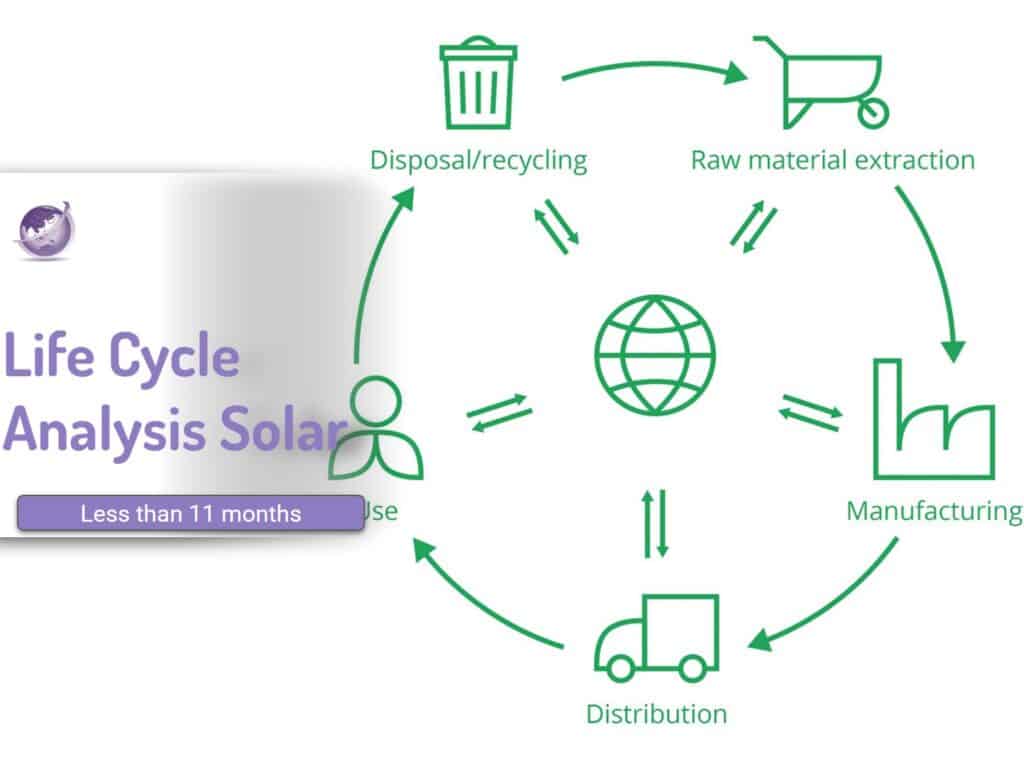
Life cycle analysis shows solar panels and inveerters recover the embedded carbon in less than 11 months, or even more for the latest panels. Published by Fraunhofer and demonstrating solar systems are positive for up to 40 years.
Life Cycle Analysis for Solar Panels and Inverters Read More »
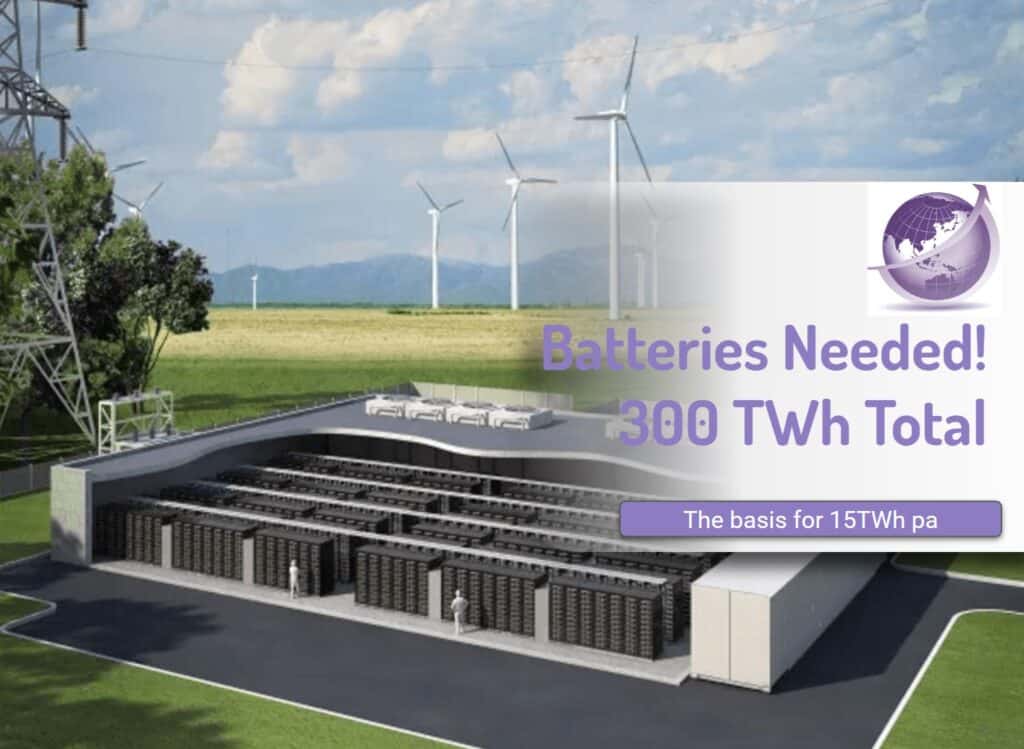
The total battery capacity for grid home and transportation is about 300TWh of batteries. This will take 10 years of manufacturing and ongoing of about 30TWh per year. Tesla aims to provide 10% of that battery capacity.
Batteries for Electrification is 300TWh According to Elon Musk Read More »

A major global disruption will be the exit of coal from thermal electricity generations. Much coal is consumed within the country, but the 6 major exporters of coal will be impacted the most. New mines will not replace the loss of existing coal mines.

China has invested heavily in coal for electricity over the past 30 years but has made the switch to renewable energy and targets all new energy from renewable sources by 2025 and net zero by 2060.

Precision fermentation will see a collapse in the existing farming systems. With protein and fat made in fermentation vats, 90% of agriculture will cease. Regeneis of the vast areas of agriculture can regenerate.

An image can say a thousand words – and facts and figures won’t sway a climate denier or climate delayer. But humour may do. Lets see

We have burnt rocks for a million years and every year we burn 500 years of the products of the carbonaceas period as fossil fuel. Renewable energy is not fuel. It harnesses energy from the nuclear sun. Batteries can store it. RE stops energy poverty.
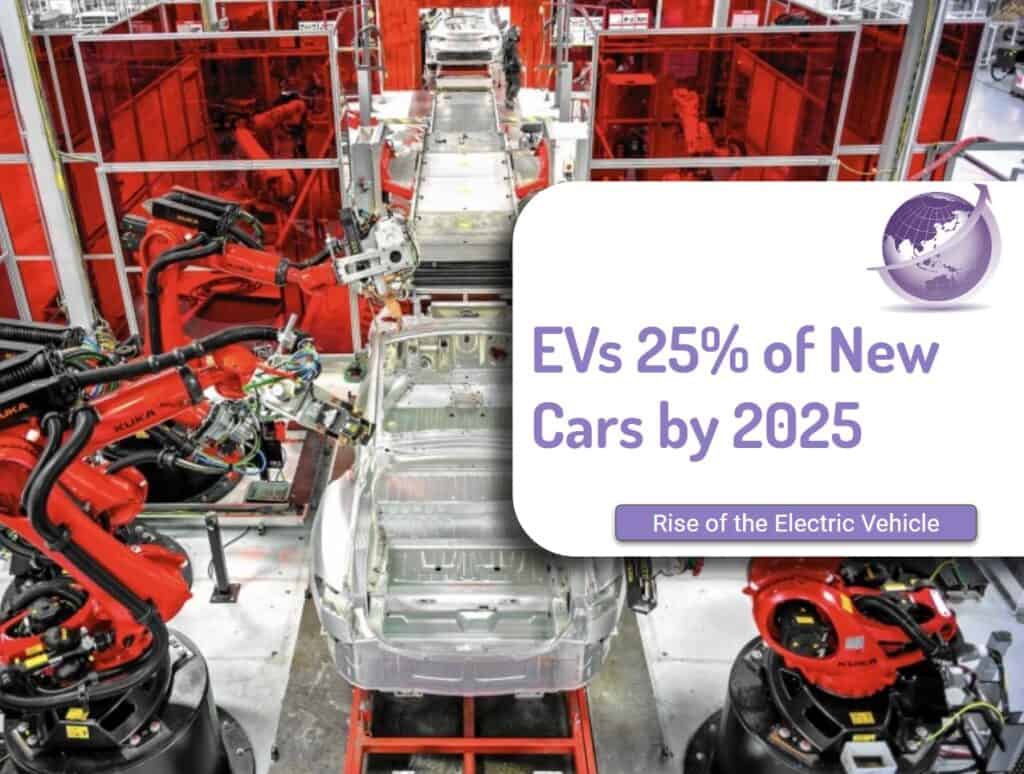
Electric vehicles are displacing conventional ICE vehicles and by 2025 Bloomberg NEF predicts 1 in 4 new cars will be electric. EVs have already displaced 1.5 million barrels of oil per day. Peak oil for transport will be by 2027.

The 5 signs of climate deniers or climagte delayers. The arguments may appear reasonable but they are generally anonymous, selective, persistent diversionary and irrational. Spot them easily.

The development of multiple streams of technology leads to disruption of an industry or society. What can be done to ensure that disruption provides value to all, and not just a few.
An improved electricity distributon network will be needed to transport energy from renewable energy generators (solar and wind) to cities and factories. Who owns the existing network? What improvements are needed.

Evidence of increasing renewable energy comes from most countries. Australia is one of the fastest changing but the USA is also rapidly changing, as is China

High Voltage DC transmission systems are driving underwater power cable for renewable energy transmitted over thousands of km from Africa to UK or Australia to Singapore. Cheap solar is driving the change.

The Carbon Footprint to build a wind turbine is paid back on average in 7 months, and costs about 10gCO2-equivalent compared to gas at 600, and coal at 1,000 g-CO2/kWh.

There are over 15 myths of nuclear power touted by deniers as fossil fuels are displaced by the renewable energy techologies of wind solar and battery

The investment fund ARK Invest CEO Cathie Wood explains the 5 disruptions happeing now and the 14 underlying technologies which form the basis of their investment strategy.

Food disruption is happening now, and some fail to see that by 2025 that the dairy industry will shrink by 1/3 and the beef and dairy industry facing 90% reduction by 2030.

Wind powered electricity has been developed onshore, but the drive to offshore wind has picked up for 3 reasons. Decreased costs, no land impact and better wind profile